New Documentary Movies on Vudu - Page 265
All Services
Free Services
 Netflix
 Amazon Prime Video
 Apple iTunes
 Apple TV Plus
 Disney Plus
 Google Play Movies
 Paramount Plus
 Hulu
Hulu
 HBO Max
 YouTube
 fuboTV
 Peacock
 Peacock Premium
 Amazon Video
 The Roku Channel
 AMC+
AMC on Demand
AMC+
AMC on Demand
 Kocowa
 Hoopla
 The CW
 Vudu
Vudu
 Starz
Starz
 Showtime
 PBS
PBS
 Pantaflix
 FXNow
FXNow
 Tubi TV
 Kanopy
 Comedy Central
 Crunchyroll
 Microsoft Store
 Redbox
 Sun Nxt
 ABC
ABC
 DIRECTV
 Crackle
 Fandor
 Plex
Plex
Netflix
Amazon Prime Video
Apple iTunes
Apple TV Plus
Disney Plus
Google Play Movies
Paramount Plus
Hulu
HBO Max
YouTube
fuboTV
Peacock
Peacock Premium
Amazon Video
The Roku Channel
AMC+
AMC on Demand
Kocowa
Hoopla
The CW
Vudu
Starz
Showtime
PBS
Pantaflix
FXNow
Tubi TV
Kanopy
Comedy Central
Crunchyroll
Microsoft Store
Redbox
Sun Nxt
ABC
DIRECTV
Crackle
Fandor
Plex

Sir! No Sir!
2005
Sir! No Sir!
2005
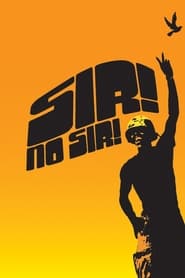
star 6.7Sir! No Sir! is a documentary film about the anti-war movement within the ranks of the United States Military during the Vietnam War. It consists in part of interviews with Vietnam veterans explaining the reasons they protested the war or even defected. The film tells the story of how, from the very start of the war, there was resentment within the ranks over the difference between the conflict in Vietnam and the "good wars" that their fathers had fought. Over time, it became apparent that so many were opposed to the war that they could speak of a movement.Mad Hot Ballroom
2005
Mad Hot Ballroom
2005
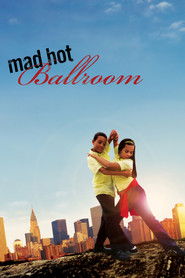
star 6.9Eleven-year-old New York City public school kids journey into the world of ballroom dancing and reveal pieces of themselves and their world along the way. Told from their candid, sometimes humorous perspectives, these kids are transformed, from reluctant participants to determined competitors, from typical urban kids to "ladies and gentlemen," on their way to try to compete in the final citywide competition.A Doula Story
2005
A Doula Story
2005
This powerful documentary chronicles one African-American woman's fierce commitment to empower pregnant teenagers with the skills and knowledge they need to become confident, nurturing mothers.Slippin': Ten Years with the Bloods
2005
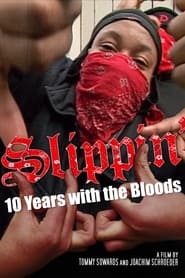
star 6.5Los Angeles gang members from the "Rollin' 20s" (Bloods) set reflect on their lives and the ongoing Blood/Crip war. As the years and bodies pile up, the survivors are forced to confront the harsh realities of gang life and the tragic personal toll it takes on family and friends.Enron: The Smartest Guys in the Room
2005
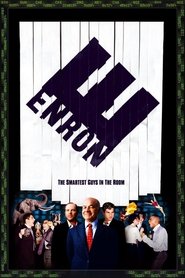
star 7.2A documentary about the Enron corporation, its faulty and corrupt business practices, and how they led to its fall.How to Eat Your Watermelon in White Company (and Enjoy It)
2005
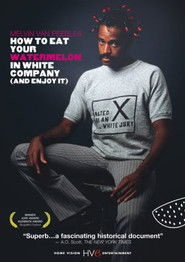
star 7Melvin Van Peebles was one of the first black directors to challenge the white establishment in his films, which include "Watermelon Man" and "Sweet Sweetback's Baadasssss Song." In this documentary, the life of Van Peebles is discussed, including his work not only in film, but also as a novelist, actor, musician, stock trader and even Air Force pilot. Interview subjects include Gil Scott-Heron, Spike Lee and Melvin's son and fellow filmmaker, Mario Van Peebles.Dope Sick Love
2005
Dope Sick Love
2005
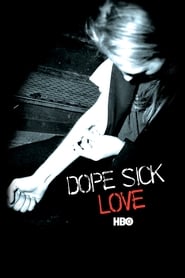
star 6.3Two heroin-addicted couples lead hard and stressful lives on the streets of New York.The Harlem Globetrotters: The Team That Changed the World
2005
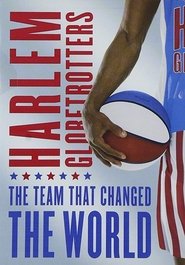
star 8"The Team that Changed the World," investigates the Globetrotters' impact socially and culturally, as well as their lasting effect on the NBA. Featuring interviews with basketball players, celebrities, politicians, and more, the documentary also shows how the Globetrotters continue to serve as "Ambassadors of Goodwill" and touch audiences around the world today.Im Rausch der Macht
2005
Im Rausch der Macht
2005
Kinsey
2005
Kinsey
2005
star 1Documentary examining the impact and continuing influence of 'Alfred Kinsey"s groundbreaking research on human sexuality.Inside Deep Throat
2005
Inside Deep Throat
2005
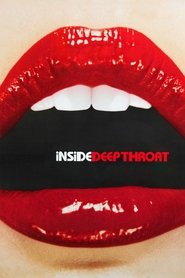
star 6.4In 1972, a seemingly typical shoestring budget pornographic film was made in a Florida hotel: "Deep Throat," starring Linda Lovelace. This film would surpass the wildest expectation of everyone involved to become one of the most successful independent films of all time. It caught the public imagination which met the spirit of the times, even as the self-appointed guardians of public morality struggled to suppress it, and created, for a brief moment, a possible future where sexuality in film had a bold artistic potential. This film covers the story of the making of this controversial film, its stunning success, its hysterical opposition along with its dark side of mob influence and allegations of the on set mistreatment of the film's star.Liquid Vinyl
2005
Liquid Vinyl
2005
Superstar DJs discuss the history, culture, technology, spirituality and the future of electronic dance music - the music that catapulted the Club DJ to "rock star" status and united dance floors across the globe. LIQUID VINYL brings together the DJ's, the people behind the scene, and the dancers from the floor that all ultimately share in the magic of the musicAliens of the Deep
2005
Aliens of the Deep
2005
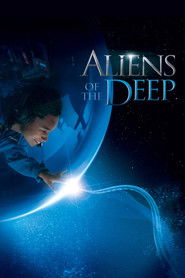
star 6.1James Cameron teams up with NASA scientists to explore the Mid-Ocean Ridge, a submerged chain of mountains that band the Earth and are home to some of the planet's most unique life forms.Why We Fight
2005
Why We Fight
2005
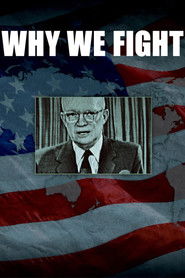
star 7.5Is American foreign policy dominated by the idea of military supremacy? Has the military become too important in American life? Jarecki's shrewd and intelligent polemic would seem to give an affirmative answer to each of these questions.Rize
2005
Rize
2005
star 6.6A documentary film that highlights two street derived dance styles, Clowning and Krumping, that came out of the low income neighborhoods of L.A.. Director David LaChapelle interviews each dance crew about how their unique dances evolved. A new and positive activity away from the drugs, guns, and gangs that ruled their neighborhood. A raw film about a growing sub-culture movements in America.Terra de Cegos
2005
Terra de Cegos
2005
What characterizes the spaces, differentiating the fields of the cities, the suburbs of the centers is, in large part, the speed of their modification. The circulation experience will have allowed us to compare the looks of foreign artists with the looks of local children, to measure resistance and change capacities.Back to Bosnia
2005
Back to Bosnia
2005
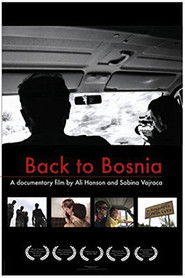
star 7Filmmaker Sabina Vajraca documents her Bosnian Muslim family's return to their home of Banja Luka, Bosnia, to recover their stolen belongings many years after being forced to flee to the United States. In Bosnia, they witness the devastation of the city, visit war crimes sites, and confront the family that has been living in their former apartment -- with all their furnishings -- for a decade.Lamb of God: Killadelphia
2005
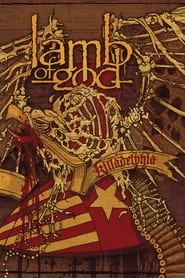
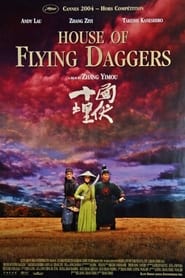
star 7.2Part concert footage, part fly-on-the-wall video documentary of the ups and downs of a road tour, Lamb of God: Killadelphia deals with rental truck breakdowns, show delays, radio interviews, in-store appearances, late arrivals of equipment. The members of Lamb of God and their handful of assistants keep their cool with fluent wit, easygoing camaraderie, and unabashed romanticism.Making of House of Flying Daggers
2004
star 6.8Main Characters/Performers: 1. Xiao Mei - first appearing as new star dancer in lavish Peony Pavilion brothel, Mei is believed to be the blind daughter of a rebel group's recently assassinated leader- played by Zhang Ziyi . 2. Jin - police captain in the ruling Tang emperor's service, enlisted by his superior Leo to play the role of double agent by helping Mei escape and getting her to lead him - and government troops - to the rebel stronghold - played by Takeshi Kaneshiro. 3. Leo - introduced as a high ranking policeman in the Tang emperor's service, Leo turns out to a mole planted years earlier by the rebels working to overthrow the corrupt ruling Tang government - played by Andy Lau.Born Into Brothels: Calcutta's Red Light Kids
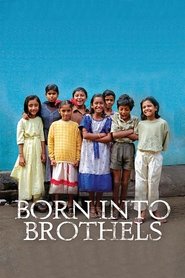
2004
star 6.8Documentary depicting the lives of child prostitutes in the red light district of Songachi, Calcutta. Director Zana Briski went to photograph the prostitutes when she met and became friends with their children. Briski began giving photography lessons to the children and became aware that their photography might be a way for them to lead better lives.