New War Politics TV Shows - Page 83
All Services
Free Services
 Netflix
 Amazon Prime Video
 Apple iTunes
 Apple TV Plus
 Disney Plus
 Google Play Movies
 Paramount Plus
 Hulu
Hulu
 HBO Max
 YouTube
 fuboTV
 Peacock
 Peacock Premium
 Amazon Video
 The Roku Channel
 AMC+
AMC on Demand
AMC+
AMC on Demand
 Kocowa
 Hoopla
 The CW
 Vudu
Vudu
 Starz
Starz
 Showtime
 PBS
PBS
 Pantaflix
 FXNow
FXNow
 Tubi TV
 Kanopy
 Comedy Central
 Crunchyroll
 Microsoft Store
 Redbox
 Sun Nxt
 ABC
ABC
 DIRECTV
 Crackle
 Fandor
 Plex
Plex
Netflix
Amazon Prime Video
Apple iTunes
Apple TV Plus
Disney Plus
Google Play Movies
Paramount Plus
Hulu
HBO Max
YouTube
fuboTV
Peacock
Peacock Premium
Amazon Video
The Roku Channel
AMC+
AMC on Demand
Kocowa
Hoopla
The CW
Vudu
Starz
Showtime
PBS
Pantaflix
FXNow
Tubi TV
Kanopy
Comedy Central
Crunchyroll
Microsoft Store
Redbox
Sun Nxt
ABC
DIRECTV
Crackle
Fandor
Plex

Time Goes By
2010
Time Goes By
2010
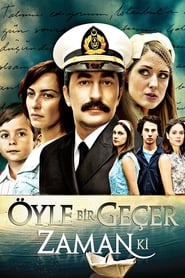
star 7Set in the 1960s, the story of the Akarsu family includes Ali, Cemile and their four children: Berrin, a law student, Aylin and Mete, high school students, and 5 year old Osman. Ali begins an affair with Caroline, a Dutch woman, which leads to the disintegration of the family.Adiós al séptimo de línea
2010
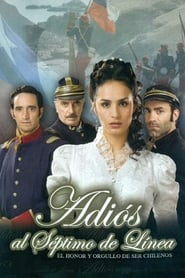
star 7.3The adventures of a Chilean female spy and a small Regiment during the Saltpeter War.Tunnel Warfare
2010
Tito
2010
Tito
2010
Tito is a 2010 Croatian documentary television miniseries about Yugoslav leader Josip Broz Tito. The first episode aired March 19, 2010. The series is a co-production by Croatian Radiotelevision and Mediteran film. The two first collaborated on the series Long Dark Night, which at a top audience of 1.8 million viewers was one of the most-watched domestic productions in history. After the announcement of the documentary, Broz's granddaughter Saša announced that she and her family would use all means possible to obstruct filming. Tito cost a reported 1 million euros to make.The Eternal Wave
2010
The Mokhtar Narrative
2010
star 6.9The Mokhtar Narrative is an Epic/History television series directed by Davood Mirbagheri, based on the life of Al-Mokhtar. Over 140 actors were cast in it. Mokhtar Saqafi was a Shiite Muslim leader who sets up a rebellion movement in 686 A.D in the town of Kufa to avenge the martyrdom of Hussain (grandson of Islamic Prophet Muhammad).Ancient Legends
2010
Bomber Boys: The Fighting Lancaster
2010
Joe English learned to fly a Lancaster bomber before he could drive a car. During World War Two, RAF Bomber Command called upon young men barely out of their teens to fly some of the most dangerous missions of the entire war. In 1943, the life expectancy of an air gunner was just three minutes in combat. For every 100 Bomber Command aircrew, only 24 would survive their tour... Now, Joe English is reunited with the five other surviving aircrew from RAF 625 Squadron Lancaster 'The Lucky H' to tell their stories for the very first time. Joined by other surviving Bomber Command veterans, they provide a powerful and moving insight into life - and death - as one of the 'Bomber Boys'.Everyone Has Their Own War
2010
star 10The story of the teenage love of a schoolboy Robert to Milka, the girlfriend of the ataman of the Zamoskvoretsky punks. The background for this romantic line is the stories of neighbors, communal intrigues, war memories — everything that is so familiar to the post-war generation of Muscovites.Al-Gama'a
2010
Al-Gama'a
2010
star 7Al-Gama'a is an Egyptian television drama, Historical and Political drama series written by Wahid Hamid, directed by Mohammed Yasin and produced by Kamel Abu Ali. The series began filming in January 2010 with a budget of 50 million Egyptian pounds. The show deals with the rise of the Muslim Brotherhood, Egypt’s largest Islamist political group, which was officially banned but nonetheless tolerated to an extent before the revolution. Critics have decried the show's pro-government stance, charging that it plays into the Egyptian government's agenda prior to the 2010 Egyptian parliamentary elections.兵峰
2010
兵峰
2010
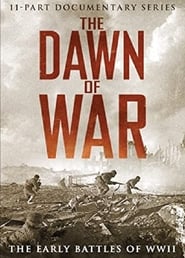
The Dawn of War The Early Battles of WWII
2010
The Dawn of War The Early Battles of WWII takes viewers to the front lines of the European, the Pacific and the African theatres of the deadliest conflict in human history. Entire hours are devoted to the rise of the Axis powers, the horrific battle over Stalingrad, the diplomatic pleas and military ambushes that would unite the Allies and much more. This compelling 11-part series chronicles the first half of this global military conflict in a masterfully scripted presentation filled with rare and authentic archive footage produced by internationally acclaimed documentarian, Pacific Media. Featuring rare and never-before-seen footage from the most important early battles of WWII including: Battle of Britain Pearl Harbor Stalingrad El Alamein and much, much more!Algo habrán hecho por la historia de Chile
2010
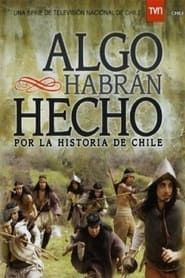
star 10Series that narrates the history of Chile, from the Spanish colonization by Pedro de Valdivia and the begin of the Arauco War, to the Centennial of Chile in 1910. The show uses two main styles, jumping from one to the other. One style is the use of actors to represent certain key events. The second style is the plain explanation of the things taking place, which could be done with visual gags, with the hosts in some modern day location, or at a representation of an event.Snow Leopard
2010
Snow Leopard
2010
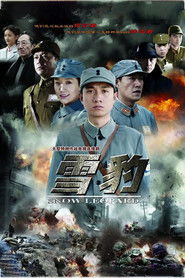
star 7.6The story of Zhou Wen, a graduate of Whampoa Military Academy for rich kids. After being sentenced to death for murder, he was able to escape. Changing his name to Zhou Wei Guo and joining the military, he went on to create the special operations task force known as “Snow Leopard” to fight off the Japanese during WWII.神枪手
2010
神枪手
2010
Before Daybreak
2010
Before Daybreak
2010
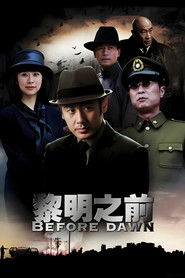
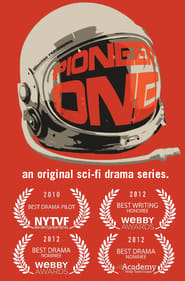
star 8.7Set in Shanghai in 1948. A traitor tells information about a high-level CCP undercover and Nationalist secret service tries to find him out.Pioneer One
2010
Pioneer One
2010
star 6.3A Cold War relic returns amid fears of terrorism but turns out to be a forgotten Soviet space mission. What it brings back will have implications for the entire world.