New War Politics TV Shows - Page 86
All Services
Free Services
 Netflix
 Amazon Prime Video
 Apple iTunes
 Apple TV Plus
 Disney Plus
 Google Play Movies
 Paramount Plus
 Hulu
Hulu
 HBO Max
 YouTube
 fuboTV
 Peacock
 Peacock Premium
 Amazon Video
 The Roku Channel
 AMC+
AMC on Demand
AMC+
AMC on Demand
 Kocowa
 Hoopla
 The CW
 Vudu
Vudu
 Starz
Starz
 Showtime
 PBS
PBS
 Pantaflix
 FXNow
FXNow
 Tubi TV
 Kanopy
 Comedy Central
 Crunchyroll
 Microsoft Store
 Redbox
 Sun Nxt
 ABC
ABC
 DIRECTV
 Crackle
 Fandor
 Plex
Plex
Netflix
Amazon Prime Video
Apple iTunes
Apple TV Plus
Disney Plus
Google Play Movies
Paramount Plus
Hulu
HBO Max
YouTube
fuboTV
Peacock
Peacock Premium
Amazon Video
The Roku Channel
AMC+
AMC on Demand
Kocowa
Hoopla
The CW
Vudu
Starz
Showtime
PBS
Pantaflix
FXNow
Tubi TV
Kanopy
Comedy Central
Crunchyroll
Microsoft Store
Redbox
Sun Nxt
ABC
DIRECTV
Crackle
Fandor
Plex

Thirteen in the War
2009
Thirteen in the War
2009
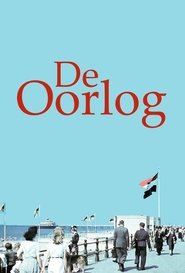
star 8In this 13-part history series, presenter Lisa Wade takes us back to World War II. From the occupation to the liberation, from the persecution of Jews to the NSB (Dutch Nazi Party), from the bombing of Rotterdam to the war in the Dutch East Indies.De Oorlog
2009
De Oorlog
2009
Admiral
2009
Admiral
2009
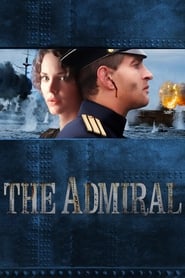
star 5The story of admiral Aleksandr Kolchak who remained faithful to his oath to the Russian Emperor and fought against the Bolshevik rule after the 1917 October Revolution.1959: Never Had It So Good
2009
Archive programmes depicting British life and politics in 1959, including the issues leading the debate ahead of the General Election of October 1959.WWII: Battle for Europe
2009
After years of shifty threats and menacing troop movements, World War II hit Europe with all its devious force; bringing with it a level of depravity and destruction previously unseen to the men and women it touched. It didn't take long before it went down in history as the worst international conflict ever seen, and as in every war before it, it left nothing but questions in its wake.决战黎明
2009
决战黎明
2009
בופור
2009
בופור
2009
The Black Rose
2009
The Black Rose
2009
狙击手
2009
The Line
2009
江阴要塞
2009
江阴要塞
2009
Apocalypse: The Second World War
2009
star 8.4A six-part French documentary about the Second World War composed exclusively of actual footage of the war as filmed by war correspondents, soldiers, resistance fighters and private citizens. The series is shown in color, with the black and white footage being fully colorized, save for some original color footage. The only exception to the treatment are most Holocaust scenes, which are presented in the original black and white.The Week We Went To War
2009
star 5Katherine Jenkins and Michael Aspel celebrate the heroes of the Home Front.Land Girls
2009
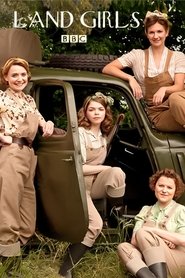
Land Girls
2009
star 7.8The lives, loves and highs and lows of four members of the Women's Land Army working at the Hoxley Estate during World War II.World War II in Colour
2009
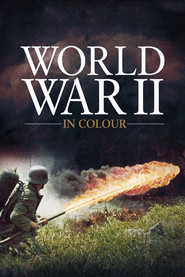
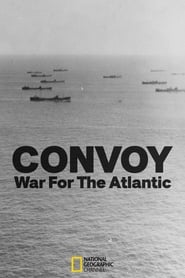
star 7.6World War II In Colour is a 13-episode television documentary miniseries recounting the events of World War II narrated by Robert Powell. The show covers the Western Front, Eastern Front, and the Pacific War. It is on syndication in America on the Military Channel. This series is in full color, combining both original and colorized footage.Convoy: War Of The Atlantic
2009
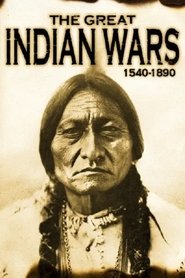
star 8The story of the Convoys is a tale of compelling drama, full of bravery and tragedy. It takes us into the lives of hundreds of thousands of unheralded men whose incredible everyday courage, played out in the cruel seas and cold skies of the North Atlantic changed the course of the war.The Great Indian Wars
2009
The year 1540 was a crucial turning point in American history. The Great Indian Wars were incited by Francisco Vazquez de Coronado when his expedition to the Great Plains launched the inevitable 350-year struggle between the white man and the American Indians. From that point forward, the series of battles between the military and civilian forces of the United States and the native American Indians began when blood was shed and ultimately tens of thousands of lives were lost on both sides. The Battle of Tippicanoe, the Battle of Horseshoe Band, all three Seminole Wars and the Battle of Little Big Horn were some of the most important conflicts that led up to the last massacre, the Battle of Wounded Knee, where America's landscape would be forever changed!