Popular Documentary Movies - Page 102
All Services
Free Services
 Netflix
 Amazon Prime Video
 Apple iTunes
 Apple TV Plus
 Disney Plus
 Google Play Movies
 Paramount Plus
 Hulu
Hulu
 HBO Max
 YouTube
 fuboTV
 Peacock
 Peacock Premium
 Amazon Video
 The Roku Channel
 AMC+
AMC on Demand
AMC+
AMC on Demand
 Kocowa
 Hoopla
 The CW
 Vudu
Vudu
 Starz
Starz
 Showtime
 PBS
PBS
 Pantaflix
 FXNow
FXNow
 Tubi TV
 Kanopy
 Comedy Central
 Crunchyroll
 Microsoft Store
 Redbox
 Sun Nxt
 ABC
ABC
 DIRECTV
 Crackle
 Fandor
 Plex
Plex
Netflix
Amazon Prime Video
Apple iTunes
Apple TV Plus
Disney Plus
Google Play Movies
Paramount Plus
Hulu
HBO Max
YouTube
fuboTV
Peacock
Peacock Premium
Amazon Video
The Roku Channel
AMC+
AMC on Demand
Kocowa
Hoopla
The CW
Vudu
Starz
Showtime
PBS
Pantaflix
FXNow
Tubi TV
Kanopy
Comedy Central
Crunchyroll
Microsoft Store
Redbox
Sun Nxt
ABC
DIRECTV
Crackle
Fandor
Plex

Stay Gold
2010
Stay Gold
2010
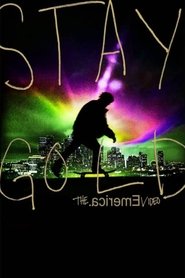
star 9Stay Gold - The Emerica Video is Emerica's first full-length feature since 2003's This is Skateboarding. Stay Gold features groundbreaking skating from the Emerica Team - Andrew Reynolds, Leo Romero, Bryan Herman, Kevin "Spanky" Long, Jerry Hsu, Braydon Szafranski, Aaron Suski and Brandon Westgate. With incredible skateboarding, psychedelic imagery and thundering music, Stay Gold has set the stage for the introduction of a new skateboarding classic by Emerica.India: Spreading Hate
2024
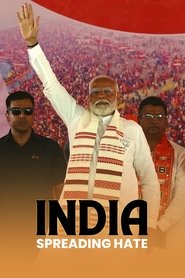
star 7.8Since the rise to power of Hindu nationalists in 2014, India has been gradually moving away from democracy towards a regime where ethnic identity prevails. This transition is driven by Hindutva, a Hindu supremacist ideology embodied by Narendra Modi. For the past 10 years, Prime Minister Modi has relentlessly pursued his fascist policy based on Hindu supremacy. This ideology of hatred towards other religions in the country, particularly Islam, has also spread globally. Those who follow this belief want India to be only for Hindus, treating people of other religions, like Muslims or Sikhs as second-class citizens. Attacks against Christians have surged by 400% since Modi's election, accompanied by discriminatory laws targeting Muslims and widespread lynching incidents. Hindutva's influence permeates all levels of Indian society. This documentary thus unveils a darker side of India, far from its portrayal as the world's largest democracy and Gandhi's dream of peace among communities.I'm So Sorry
2025
I'm So Sorry
2025
In a quiet forest, a sign warns of radiation hazard. “Is this the past or the future?” muses the masked figure who appears like a kind of ghost in nuclear disaster areas. At a time when nuclear power may be re-emerging as an alternative to fossil fuels, this calmly observed and compelling tour takes us to places that may serve as a warning.Safety First
1936
Notebook on Cities and Clothes
1989
star 6.6Wim Wenders talks with Japanese fashion designer Yohji Yamamoto about the creative process and ponders the relationship between cities, identity and the cinema in the digital age.Filmmaker's Holiday
1974
Filmmaker's Holiday
1974
star 6The film is put together as a collection of autonomous images which, once combined, make up van der Keuken's mental universe: family happiness, fragments of some of his earlier films, a homage to the saxophonist Ben Webster, two poems by the great contemporary poets Remco Campert and Lucebert, a portrait of the director's grandfather, who taught him photography at the age of twelve... "One of those small masterpieces one encounters by surprise..." Jean-Paul Fargier, Cahiers du Cinéma, 1975Fahrenheit 9/11
2004
Fahrenheit 9/11
2004
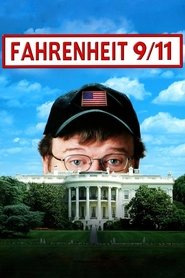
star 7.1Michael Moore's view on how the Bush administration allegedly used the tragic events on 9/11 to push forward its agenda for unjust wars in Afghanistan and Iraq.Who Will Burry The Dead?
2016
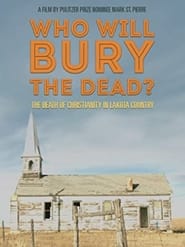
This documentary offers a deep, candid, and historical look at the Christian experience of America's largest and best-known tribes: the Dakota and Lakota. Its exploration into Native American history also takes a hard and detailed look at President Ulysses S. Grant's Peace Policy of 1873, which was, in effect, a "convert to Episcopalianism or starve" edict put forth by the American government in direct violation of its Constitution. The devastation it had on the values of the people affected were dramatic and extremely long-lasting. Grant's policy was finally ended over 100 years later by the Freedom of American Indian Religions Act in 1978. Interlaced with extraordinarily candid interviews, this documentary presents an insider's perspective of how the Dakota and Lakota were estranged from their religious beliefs and their long-standing traditions.We Have Our Own Song - The Music Movie
1976
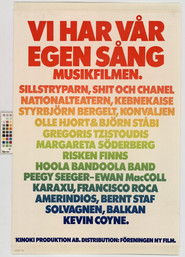
The film documents the alternative festival, made to protest against the Eurovision Song Contest held in Stockholm 1975. There are many Swedish and international artists on stage, as well as some clips from speeches, riots, civil wars, and the people at the song contest itself.Hair Piece: A Film for Nappy Headed People
1984
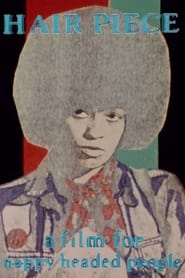
star 5.6An animated satire on the question of self-image for African American women living in a society where beautiful hair is viewed as hair that blows in the wind and lets you be free. Lively tunes and witty narration accompany a quick-paced inventory of relaxers, gels, and curlers. This short film has become essential for discussions of racism, African American cinema, and empowerment.Beyond Pollution
2012
Sadismo
1967
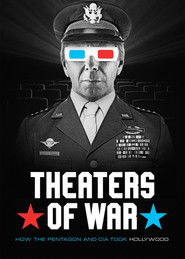
Theaters of War
2022
Theaters of War
2022
star 7.5If you’ve seen Top Gun or Transformers, you may have wondered: Does all of that military machinery on screen come with strings attached? Does the military actually get a crack at the script? With the release of a vast new trove of internal government documents, the answers have come into sharp focus: the US military has exercised editorial control over thousands of films and television programs. As these activities gain new public scrutiny, new questions arise: How have they managed to fly under the radar for so long? And where do we go from here?Mao Tse-Tung and the Cultural Revolution
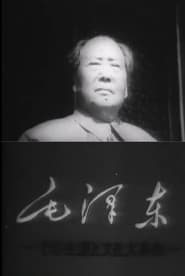
1969
Nagisa Oshima's documentary details the rise of Chairman Mao during the revolution and shows the Communist Party's struggle and cultural upheaval. Made in 1969 for NTV station, this TV documentary also questions Mao's dictator tendency during the cultural revolution.Classic Albums: The Band - The Band
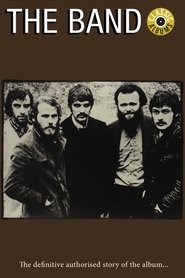
1997
star 6Comprised of Rick Danko, Levon Helm, Garth Hudson, Richard Manuel and Robbie Robertson, The Band's self-titled sophomore effort spent 24 weeks in the Billboard Top 40. The album was released at a time when the US album charts were taken over by the psychedelic rock movement, and despite this, the album had the aforementioned chart success and would go on to sell over one million copies. This edition of the "Classic Albums" series focuses on The Band's follow-up to "MUSIC FROM BIG PINK". Featuring classics such as "Up On Cripple Creek", "The Night They Drove Old Dixie Down", and "Rag Mama Rag", the story of the album is told through interviews with surviving members of The Band, fellow musicians Eric Clapton, Don Was, and George Harrison, and vintage footage. The Band is a classic album!Robert Altman: Giggle And Give In
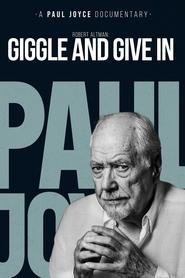
1996
Paul Joyce’s documentary profile of Robert Altman, with contributions from Altman, Elliott Gould, Shelley Duvall, assistant director Alan Rudolph and screenwriter Joan Tewkesbury. Originally broadcast on July 17th 1996 in Channel Four’s Cinefile series.Il pianeta che ci ospita
2015
Three years of filming across Italy, from Mont Blanc to the island of Lampedusa, have resulted in this short film. The aim of this universal event is, first and foremost, to commit wealthy nations to guaranteeing food, water, and dignity to every human being according to a principle of justice that governs coexistence among the peoples of the Earth. Similarly, and just as with food, the peoples who have won the privilege of freedom through the sacrifice of their martyrs should be an example of democracy and civil coexistence.