Popular Documentary Movies - Page 208
All Services
Free Services
 Netflix
 Amazon Prime Video
 Apple iTunes
 Apple TV Plus
 Disney Plus
 Google Play Movies
 Paramount Plus
 Hulu
Hulu
 HBO Max
 YouTube
 fuboTV
 Peacock
 Peacock Premium
 Amazon Video
 The Roku Channel
 AMC+
AMC on Demand
AMC+
AMC on Demand
 Kocowa
 Hoopla
 The CW
 Vudu
Vudu
 Starz
Starz
 Showtime
 PBS
PBS
 Pantaflix
 FXNow
FXNow
 Tubi TV
 Kanopy
 Comedy Central
 Crunchyroll
 Microsoft Store
 Redbox
 Sun Nxt
 ABC
ABC
 DIRECTV
 Crackle
 Fandor
 Plex
Plex
Netflix
Amazon Prime Video
Apple iTunes
Apple TV Plus
Disney Plus
Google Play Movies
Paramount Plus
Hulu
HBO Max
YouTube
fuboTV
Peacock
Peacock Premium
Amazon Video
The Roku Channel
AMC+
AMC on Demand
Kocowa
Hoopla
The CW
Vudu
Starz
Showtime
PBS
Pantaflix
FXNow
Tubi TV
Kanopy
Comedy Central
Crunchyroll
Microsoft Store
Redbox
Sun Nxt
ABC
DIRECTV
Crackle
Fandor
Plex

The Boys Wanted to See Fireworks from the Side
1999
star 6A documentary looking back on the making of Shunji Iwai's TV play Fireworks, Should We See it from the Side or the Bottom?.José Cardoso Pires - Diário de Bordo
1998
A documentary about the life and work of José Cardoso Pires. The information was gathered through a series of interviews made by the journalist Clara Ferreira Alves during autumn and winter of 1997 and also by people who were close to him.Flamenco at 5:15
1983
Flamenco at 5:15
1983
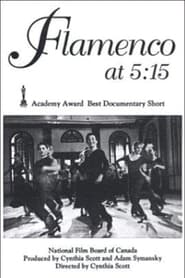
star 6.5In this Oscar Winning documentary short film, students in their final year at the National Ballet School of Canada are seen learning the flamenco from Susana and Antonio Robledo, who come to the school every winter to conduct classes which are held after the day's regular schedule has ended.Terror in Europe
2016
Terror in Europe
2016
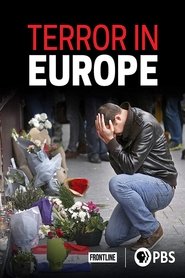
FRONTLINE and ProPublica go inside Europe’s fight against terrorism — the missed warnings and the lingering vulnerabilities.Women in the Shadows
1991
Women in the Shadows
1991
Filmed on location in Saskatchewan from the Qu'Appelle Valley to Hudson Bay, the documentary traces the filmmaker's quest for her Native foremothers in spite of the reluctance to speak about Native roots on the part of her relatives. The film articulates Métis women's experience with racism in both current and historical context, and examines the forces that pushed them into the shadows.Finding Kim
2016
Finding Kim
2016
star 6.250 year old Kim is transitioning from female to male gender over a period of four years. The story follows his life, surgery and struggles with his self-image and self-acceptance. Alongside Kim's narrative are interviews with luminaries in the field and trans community.Underwater Iceland
1997
Underwater Iceland
1997
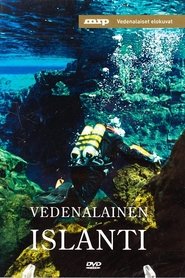
star 5.5Marko Röhr's film crew takes the viewer to Europe's last unexplored area: Iceland's unique underwater world. We explore the geysers of boiling waters and the crystal clear lakes off the coast of Iceland. We dive under the icebergs, into the tears between the continental plates and into the deep caves.The Unfinished Journey
1999
star 6A multimedia short created for the U.S. millennium celebrations, The Unfinished Journey reflects on America’s history and spirit through six chapters—immigration, war, culture, civil rights, and innovation. Commissioned by President Bill Clinton and premiered at the Lincoln Memorial on New Year’s Eve 1999, the film features an original orchestral score by John Williams titled American Journey.Knight Immortal
2019
Knight Immortal
2019
star 8.7A visual and visceral celebration of the Dark Knight’s 80 years of crime fighting, narrated by storytellers of the past, present, and future.Billy Crystal: A Comic's Line
1984
star 2In this concert, a take-off on the play "A Chorus Line," comic Billy Crystal uses the premise of auditions for a Broadway musical to play various characters trying out for the parts.Adventures in Space and Time
1999
A documentary on the history of Doctor Who (1963) featuring new interviews with cast and crew, transmitted as part of "Doctor Who Night" on BBC2.War Baby
2019
War Baby
2019
star 1Meet Duewand Collier Jr.-Male, 68 years old, American Citizen, a child conceived in the backdrop of the Philippines-American Mutual Defense Treaty, born and raised with Catholic guilt. He has made peace with his past and now tells his story-a story of love.At All Costs
1995
At All Costs
1995
star 6A small company valiantly struggles to survive under the respectful yet probing camera of Claire Simon in “At All Costs.” As the docu opens, founder and manager Jihad is off to see his banker. The lack of ready cash to pay his loyal employees, wholesale produce providers and a whole range of other creditors, including the tax-gobbling French government, is omnipresent. From a staff of 14, Jihad is down to three cooks, one delivery driver and a secretary in less than six months. The good-natured pluck of the remaining employees is at the heart of the film. Subterfuges for putting up a brave united front include scheduling food orders from a coin-operated pay phone when the office phone is cut off for nonpayment.Frank Sinatra: The Main Event
1974
star 6.7Charged with the electricity of a heavyweight prizefight, " The Main Event " was filmed live at Madison Square Garden, a venue usually reserved for sporting events and rock 'n' roll concerts. Sinatrra dazzies the crowd with contemporay numbers as " You are the Sunshine of My Life ", " Let Me Try Again " and delivers the knockout blow with signature tunes " My Kind of Town " and " My Way ".The Eyes of Dante
2021
The Eyes of Dante
2021
star 6.6He is considered the greatest European poet of the Middle Ages and his work unfolds the whole panopticon of occidental education – theology, philosophy, sciences, politics and literature. But who has really read it, the “Divine Comedy”? Who knows more of its creator Dante Alighieri than that he had an eagle-like profile and was in love with a woman named Beatrice? 700 years after Dante’s death, the filmmaker Adolfo Conti travels through Italy with Dante’s words in mind and eyes to see the world as Dante did. As the film encounters the beauty of arts and the Tuscan landscape, the forces of nature, a dramatic life story is unfolded.Free Color
2020
Free Color
2020
star 6.5Carlos Cruz-Diez is one of the most prominent and influential Kinetic-Optic artists of our times. At 94 years of age, Cruz-Diez pursues an avant-garde challenge: to free color from form. This documentary follows the Maestro as he undertakes the most daring project of his creative life in his twilight years.The Deported
2019
The Deported
2019
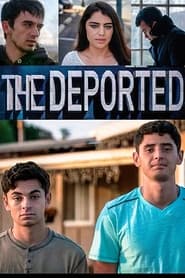
star 10The Deported follows four long term residents of the United States, each with an Order of Deportation over their head, and their families as they have to make critical decisions that will either keep their family together and separate them. Their choices are: 1. to self-deport. 2. To take sanctuary in a church. 3. To fight back legally. 4. To fall into denial and do nothing.Memories to Choke On, Drinks to Wash Them Down
2019
star 7.7This anthology film, whose Chinese title begins with a romantic name for human excrement, premiered internationally at Rotterdam and won Best Screenplay from the Hong Kong Film Critics Society. A variety of Hong Kong people wrestle with nostalgia when facing an uncertain future. Their stories give way to a documentary featuring a young barista turned political candidate.10 + 4 (Dah be alaveh chahar)
2007
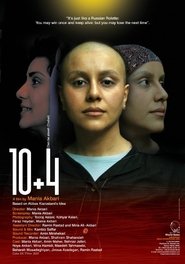
star 4After casting painter and video artist Mania Akbari as the central figure of his groundbreaking Ten (2002), and then witnessing her outstanding debut as a feature film director in 20 Fingers (2004), Abbas Kiarostami urged her to direct a sequel to the film. In Dah be alaveh Chahar (10 + 4), though, circumstances are different: Mania is fighting cancer. She has undergone surgery; she has lost her hair following chemotherapy and no longer wears the compulsory headscarf; and sometimes she is too weak to drive. So the camera follows her to record conversations with friends and family in different spaces, from the gondola she had famously used in her first feature to a hospital bed.Bo Harwood on the Films of John Cassavetes
2018
Musician Bo Harwood discusses his work with filmmaker John Cassavetes.