Popular Documentary Movies - Page 287
All Services
Free Services
 Netflix
 Amazon Prime Video
 Apple iTunes
 Apple TV Plus
 Disney Plus
 Google Play Movies
 Paramount Plus
 Hulu
Hulu
 HBO Max
 YouTube
 fuboTV
 Peacock
 Peacock Premium
 Amazon Video
 The Roku Channel
 AMC+
AMC on Demand
AMC+
AMC on Demand
 Kocowa
 Hoopla
 The CW
 Vudu
Vudu
 Starz
Starz
 Showtime
 PBS
PBS
 Pantaflix
 FXNow
FXNow
 Tubi TV
 Kanopy
 Comedy Central
 Crunchyroll
 Microsoft Store
 Redbox
 Sun Nxt
 ABC
ABC
 DIRECTV
 Crackle
 Fandor
 Plex
Plex
Netflix
Amazon Prime Video
Apple iTunes
Apple TV Plus
Disney Plus
Google Play Movies
Paramount Plus
Hulu
HBO Max
YouTube
fuboTV
Peacock
Peacock Premium
Amazon Video
The Roku Channel
AMC+
AMC on Demand
Kocowa
Hoopla
The CW
Vudu
Starz
Showtime
PBS
Pantaflix
FXNow
Tubi TV
Kanopy
Comedy Central
Crunchyroll
Microsoft Store
Redbox
Sun Nxt
ABC
DIRECTV
Crackle
Fandor
Plex

Men's Gathering
2007
Men's Gathering
2007
In late 2006, the Central Coast and western Sydney Aboriginal Men’s Groups hosted the Aboriginal Men’s Sharing and Learning Circle at Camp Wollombi. Aboriginal men from throughout NSW were invited to attend and participate in this important event, which considered many of the issues and challenges confronting Aboriginal men today. From the Message Stick series.Jim Jones - A Day In The Fastlife
2006
Jim Jones gives Dipset fans an intimate, all-access pass into his life as a C.E.O. of the Diplomats and into his controversial lifestyle. From his life in the streets of Harlem forming the powerhouse crew the Diplomats, to the wild parties in the clubs, behind the scenes in the studio, and also a look into his new gig as Director of A&R at the Warner Music Group - it's all here! Includes additional appearances from T.I., Busta Rhymes, Fat Joe, Young Jeezy and the Dipset Family.The Golden Gates
1971
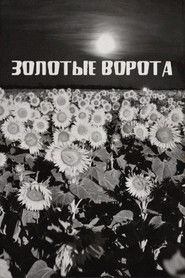
The Golden Gates
1971
star 5.7The film-remembrance of the creative fate of the Ukrainian Soviet film director Alexander Dovzhenko, shot on his diaries. It has his statements about his work, about the role of the artist in society, his plans and sources of inspiration, his artistic style and the peculiarities of his worldview. Used excerpts from his films and documentary footage taken during the director's life, as well as filmed fragments of the unfinished scripts " The Death of the Gods” and “Tsar”.The Atomic Cafe
1982
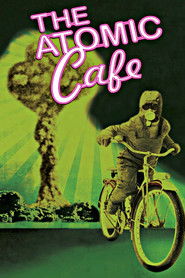
The Atomic Cafe
1982
star 7.3A disturbing collection of 1940s and 1950s United States government-issued propaganda films designed to reassure Americans that the atomic bomb was not a threat to their safety.The King of Fish and Chips
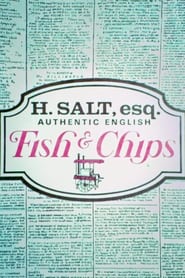
2019
In the late 1960s, Haddon Salt built a fast-food empire. Then Kentucky Fried Chicken came knocking.A Cat and a Half
2003
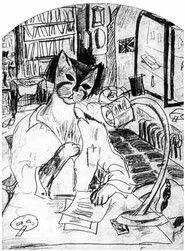
A Cat and a Half
2003
star 7.5A documentary-fiction hybrid film based on the works of Joseph Brodsky.The Rein of Mary King
2013
A tribute to the distinguished reign of one of Britain's longest-serving Olympians.I've Got Levitation
2018
I've Got Levitation
2018
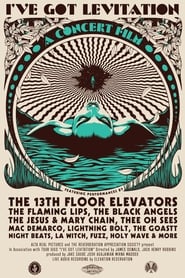
I'VE GOT LEVITATION documents the 50th anniversary reunion of The 13th Floor Elevators at the Levitation 2015 music festival. The film offers an immersive glimpse into the festival with interviews and performances by: The 13th Floor Elevators, The Flaming Lips, The Black Angels, Jesus And Mary Chain, The GOASTT (Sean Lennon), Thee Oh Sees, Fuzz (Ty Segall), Mac Demarco, Lightning Bolt, Night Beats, Holy Wave, LA Witch AND MORE.Sunday Beauty Queen
2016
Sunday Beauty Queen
2016
star 8.7Beneath Hong Kong's glittering facade, Filipina domestic helpers work in relative anonymity and for near-slave wages. In a beauty pageant like no other, five helpers give themselves makeovers for a day and gleefully reclaim their dignity.The Hobart Shakespeareans
2005
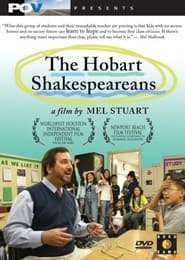
star 4Rafe Esquith, 1992 American Teacher of the Year and National Medal of Arts recipient, teaches 5th-grade children whose parents don't speak English at a school in a dangerous, poor, drug-infested 100% Latino/Asian neighborhood in Los Angeles.Volcano: Nature's Inferno
1997
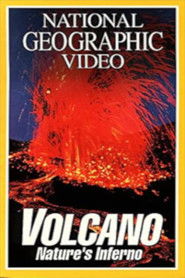
star 10Travel around the world for a firsthand look at volcanoes - perhaps the most dazzling but destructive natural force on earth. Massive volcanic eruption can turn day into night, releasing the power of an atomic blast, spewing toxic avalanches of lava, gas, and ash. National Geographic Video transports you to some of the world's most notorious volcanoes, including Mount Pinatubo in the Philippines and Japan's Mount Unzen. Join volcanologists in their dangerous quest to forecast eruptions and save lives, putting you in the middle of the explosive excitement and human drama of Volcano: Nature's Inferno.Germany in Autumn
1978
Germany in Autumn
1978
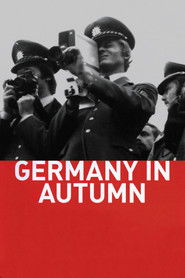
star 6.2The film does not have a plot per se; it mixes documentary footage, along with standard movie scenes, to give the audience the mood of Germany during the late 1970s. The movie covers the two-month time period during 1977 when a businessman was kidnapped and later murdered by the left-wing terrorists known as the RAF-Rote Armee Fraktion (Red Army Fraction). The businessman had been kidnapped in an effort to secure the release of the original leaders of the RAF, also known as the Baader-Meinhof gang. When the kidnapping effort and a plane hijacking effort failed, the three most prominent leaders of the RAF, Andreas Baader, Gudrun Ensslin, and Jan-Carl Raspe, all committed suicide in prison. It has become an article of faith within the left-wing community that these three were actually murdered by the state.In Memory of Rock
1963
In Memory of Rock
1963
star 6The rock-wild youth of the 1960s during the apparitions of their idols.Adios amigo mío, sin gestos, sin palabras
2015
The title comes from Sergei Yesenin's last poem before comiting suicide. Using Virginia Woolf's last letters as a base, this film is meditation on the power of the word and its undertsanding and the the last moments before saying "goodbye".Release
2010
Release
2010
star 6.5On March 17, 1930, a crowd assembled outside Philadelphia's Eastern State Penitentiary in hopes of witnessing Al Capone's release from prison. Morrison and Vijay Iyer turn a single archival panning shot of that scene - origianally filmed in 1930 by Jack Painter - and its accompanying audio track - recorded in 1930 by Addison Tice -- into a split-screen surround sound panoramic film that continually doubles back on itself, creating a short cinematic meditation on the nature of spectacle and spectatorship.The Clown
2016
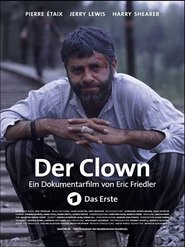
The Clown
2016
star 8A documentary about Jerry Lewis' never-released movie "The Day the Clown Cried".Always for Pleasure
1978
Always for Pleasure
1978
star 7.3An intense insider's portrait of New Orleans' street celebrations and unique cultural gumbo: Second-line parades, Mardi Gras, Jazz Fest. Features live music from Professor Longhair, the Wild Tchoupitoulas, the Neville Brothers and more. This glorious, soul-satisfying film is among Blank's special masterworks. Preserved by the Academy Film Archive in 1999.Non Fiction Diary
2014
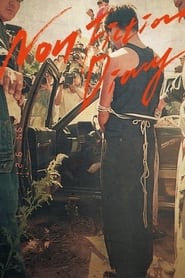
Non Fiction Diary
2014
star 6What happened in Korean society in the 1990s? The film starts with the Jijon-pa (Supreme Gangsters) case. The shocking story is narrated through the discussion by the two detectives who arrested the gangsters, of details of the roundup, data screens, and the death sentence. Nevertheless, Nonfiction Diary’s focus is not on the crime story. Starting from Jijon-pa onwards, the film reflects on the 1990s, when Korea digressed into contemporary history. The Seongsu Bridge and the Sampoong Department Store’s collapses are recalled, followed by the then-government’s punishment of the May 18 Uprising leaders, revealing the Korean legal system’s death penalty status, touching on political and power issues. The audience is reminded that today, 2013, is an extension of that same flow.The Bomb
2015
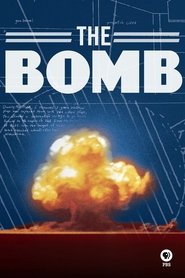
The Bomb
2015
star 6.8Using masterfully restored footage from recently declassified images, The Bomb tells a powerful story of the most destructive invention in human history. From the earliest testing stages to its use as the ultimate chess piece in global politics, the program outlines how America developed the bomb, how it changed the world and how it continues to loom large in our lives. The show also includes interviews with prominent historians and government insiders, along with men and women who helped build the weapon piece by piece.Babilônia 2000
2001
Babilônia 2000
2001
star 7.3Documentary on poor people living in a slum in Rio de Janeiro, on the occasion of New Year's Eve of 1999.