Popular Documentary Movies - Page 311
All Services
Free Services
 Netflix
 Amazon Prime Video
 Apple iTunes
 Apple TV Plus
 Disney Plus
 Google Play Movies
 Paramount Plus
 Hulu
Hulu
 HBO Max
 YouTube
 fuboTV
 Peacock
 Peacock Premium
 Amazon Video
 The Roku Channel
 AMC+
AMC on Demand
AMC+
AMC on Demand
 Kocowa
 Hoopla
 The CW
 Vudu
Vudu
 Starz
Starz
 Showtime
 PBS
PBS
 Pantaflix
 FXNow
FXNow
 Tubi TV
 Kanopy
 Comedy Central
 Crunchyroll
 Microsoft Store
 Redbox
 Sun Nxt
 ABC
ABC
 DIRECTV
 Crackle
 Fandor
 Plex
Plex
Netflix
Amazon Prime Video
Apple iTunes
Apple TV Plus
Disney Plus
Google Play Movies
Paramount Plus
Hulu
HBO Max
YouTube
fuboTV
Peacock
Peacock Premium
Amazon Video
The Roku Channel
AMC+
AMC on Demand
Kocowa
Hoopla
The CW
Vudu
Starz
Showtime
PBS
Pantaflix
FXNow
Tubi TV
Kanopy
Comedy Central
Crunchyroll
Microsoft Store
Redbox
Sun Nxt
ABC
DIRECTV
Crackle
Fandor
Plex

The Agency
2020
The Agency
2020
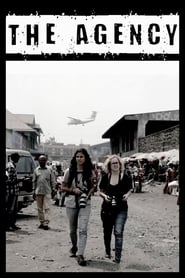
star 4A look at the work of a group of reporters and photographers from EFE, a Spanish news agency founded in 1939, which is celebrating its eightieth anniversary. A journey around the world —Mexico, Congo, USA, Libya, France, Spain, China and the Chilean Patagonia— with the purpose of honoring all people who work in the shadows, tirelessly seeking the truth in the era of social networks and fake news.It Felt Like a Kiss
2009
It Felt Like a Kiss
2009
star 6.5The story of America's rise to power starting with 1959, using archival footage and US pop music to highlight the consequences to the rest of the world and in the peoples' minds.Muxes
2022
Muxes
2022
star 2Highlighting the unique culture of the Zapotec people of Oaxaca, Mexico, this groundbreaking documentary chronicles the lives of those who identify as muxes, a widely recognized third gender.Tanz und Träume - Das Deutsche Fernsehballett
2022
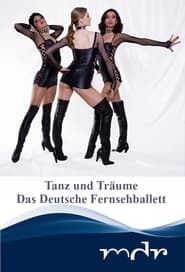
With tailor-made costumes, sophisticated choreography and consummate perfection, the German Television Ballet made screen history. Since 1962, the 26 ladies and gentlemen have danced their way into the hearts of millions of viewers. The television ballet has appeared in all the major television shows: "Kessel Buntes", "Showkolade" and "Schlager einer großen Stadt". Even in the DEFA film "Three Hazelnuts for Cinderella", the famous long legs were not to be missed.Ingmar Bergman: The Magic Lantern
1988
The first of two documentaries about Ingmar Bergman produced to mark his 70th birthday. Includes behind the scenes "home movies" from Bergman's personal archive, interviews with Bergman recorded over his 40 years in the film industry and passages from his autobiography read by Max von Sydow and Bergman himself.Gasland Part II
2013
Gasland Part II
2013
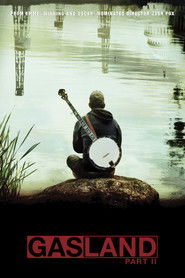
star 7.2Two years ago, Josh Fox introduced us to hydraulic fracturing with his Oscar®-nominated exposé Gasland. Now this once-touted energy source has become a widely discussed, contentious topic. In his follow-up, Fox reveals the extreme circumstances facing those affected by fracking, from earthquakes to the use of federal anti-terror psychological operations tactics. Gasland Part II is the definitive proof that issues raised by fracking cannot be ignored for long.Petr Hapka
2002
Petr Hapka
2002
In this 1999 documentary, which took three years to shoot, director Jan Mudra reveals Hapka's obsession with creativity, his incredible energy, and his abundance of ideas. He recalls his family background, his studies at the acting conservatory, and his first roles in Czech films. Petr Hapka began his career as a composer in the 1960s. Even then, he began writing for Hana Hegerová, with whom, as he says, he entered into a musical marriage that continues to this day. In the film, his three main lyricists—Petr Rada, Zdeněk Rytíř, and Michal Horáček—recall their work with Hapka. Many viewers may be surprised to learn that Petr Hapka also composed the music for three famous plays by the Divadlo Za branou theater: Provaz o jednom konci (A Rope with One End), Zelený papoušek (The Green Parrot), and Hodina lásky (The Hour of Love), as recalled in the film by director Otomar Krejča. He also composed the music for several films.Papa Césaire
2009
Papa Césaire
2009
star 10Shortly after his death in 2008, Maldoror made this film about her longtime friend and collaborator, the Négritude poet Aimé Césaire. In this film, she retraces the steps of Césaire’s travels across the globe — particularly back to his hometown in Martinique, where Maldoror interviews his relatives about his life — and her working relationship with Césaire, including fragments of her previous films about him, Un homme, une terre (1976) and Le masque des mots (1987).Seven Wonders of the World
1956
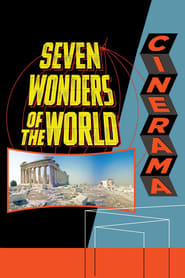
star 5.2Seven Wonders of the World is a 1956 film in Cinerama. Lowell Thomas searches the world for natural and man made wonders and invites the audience to try to update the ancient Greek list of "Seven Wonders of the World."Herbert von Karajan: Maestro for the Screen
2008
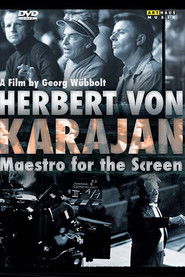
Documentary on conductor Herbert van Karajan, focusing on his early adoption of audio and video recording technology and his impetus to make use of it to preserve his musical legacy for future generations.Beyond Punishment
2015
Beyond Punishment
2015
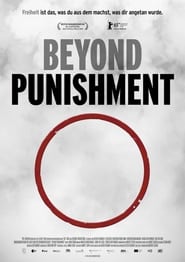
star 6.5Three different countries and one case of deadly violence each. Three men who have killed and three families who have lost a beloved one. In the common idea of guilt and punishment this makes three who get punished and three who are meant to forget. Unthinkable to imagine the two sides will ever get closer. The film tells three times the impossible story: To meet your enemy - in thoughts, in messages, in real life. A film that challenges our ideas of guilt and punishment.Rise Like Lions
2011
Rise Like Lions
2011
Scott Noble's film Rise Like Lions takes the people, actions, and words from the camps and streets of Occupy Wall Street and provides a radical, compelling and inspiring account of what the movement is about. Watch it. Share it. Do it!Sonata for Hitler
1989
Sonata for Hitler
1989
star 4.9As with so many early films by Sokurov, this film has two dates: the first is the date of its creation (the film was then banned), the second is the date of the final edition and legal public screening. The film consists of German and Soviet archive footage of the World War II — to be exact, from the end of the war. An attempt to make a large–scale documentary on this subject had been undertaken in the Soviet cinema of the 1960s: the film — “Ordinary Fascism” — by the outstanding Soviet film–maker Mikhail Romm had become a classic retrospective investigation of fascism. But Sokurov uses the expressive power of the documentary image in an absolutely different way. He does not amass materials for a large–scale picture of Nazi crimes.Nový průmysl
1952
Nový průmysl
1952
The Making of Millennium Actress
2006
star 6Interviews with director Satoshi Kon and others cover the entire production from beginning to end. Opening and closing narrated by Genya Tachibana.Hello, Kids!
1986
Hello, Kids!
1986
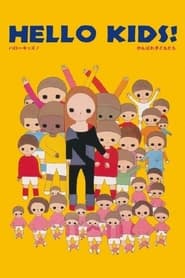
star 5.2A documentary about Nemunoki Gakuen, a school for disabled children, celebrating its 45th anniversary.Disney's DTV Valentine
1986
star 8A Valentine's Day special featuring rock and roll music set to scenes from Disney animation.The Making of 'Nashville'
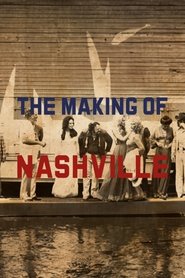
2013
Retrospective documentary on the making of Robert Altman's Nashville (1975).Inside Lara Roxx
2012
American Scary
2006
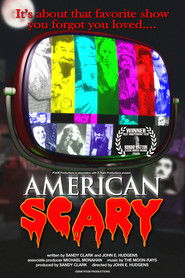
American Scary
2006
star 7.6A fond remembrance of and tribute to the uniquely American institution of the horror movie host.