Popular Documentary Movies - Page 333
All Services
Free Services
 Netflix
 Amazon Prime Video
 Apple iTunes
 Apple TV Plus
 Disney Plus
 Google Play Movies
 Paramount Plus
 Hulu
Hulu
 HBO Max
 YouTube
 fuboTV
 Peacock
 Peacock Premium
 Amazon Video
 The Roku Channel
 AMC+
AMC on Demand
AMC+
AMC on Demand
 Kocowa
 Hoopla
 The CW
 Vudu
Vudu
 Starz
Starz
 Showtime
 PBS
PBS
 Pantaflix
 FXNow
FXNow
 Tubi TV
 Kanopy
 Comedy Central
 Crunchyroll
 Microsoft Store
 Redbox
 Sun Nxt
 ABC
ABC
 DIRECTV
 Crackle
 Fandor
 Plex
Plex
Netflix
Amazon Prime Video
Apple iTunes
Apple TV Plus
Disney Plus
Google Play Movies
Paramount Plus
Hulu
HBO Max
YouTube
fuboTV
Peacock
Peacock Premium
Amazon Video
The Roku Channel
AMC+
AMC on Demand
Kocowa
Hoopla
The CW
Vudu
Starz
Showtime
PBS
Pantaflix
FXNow
Tubi TV
Kanopy
Comedy Central
Crunchyroll
Microsoft Store
Redbox
Sun Nxt
ABC
DIRECTV
Crackle
Fandor
Plex

The Connection
2014
The Connection
2014
star 6.5The Connection is a film about how frontier research is proving that there is a direct connection between your mind and your health.Follow That Star - Amitabh Bachchan
1989
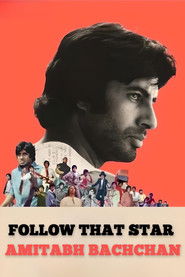
Documentary on mega star Amitabh Bachchan by Nasreen Munni Kabir with interviews by Ramesh Sippy, Prakash Mehra, Manmohan Desai, Mukul Anand and Javed AkhtarFrom Darkness to Light
2025
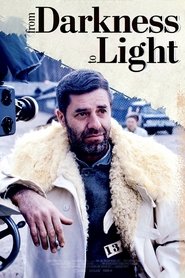
star 6.7Explores Jerry Lewis' unreleased 1972 film "The Day the Clown Cried," its mysterious disappearance, and the search for footage. Includes interviews with Lewis' associates and previously unseen production content.Nosrat Karimi, Being an Artist in Iran
2024
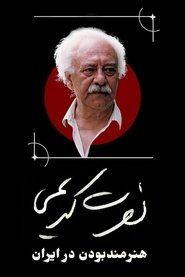
This documentary series, spanning six feature-length films, explores the life and artistic journey of Nosratollah Karimi — an Iranian actor of theater and cinema, director, writer, sculptor, university professor, and gardener.A British Horror Film
2003
star 5.2A documentary on the making of Roman Polanski's 1965 film "Repulsion," featuring interviews with Polanski, producer Gene Gutowski, and cinematographer Gil Taylor, among others.Mel Blanc: The Man of a Thousand Voices
2008
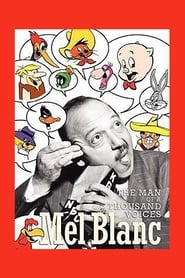
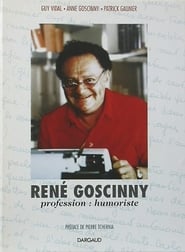
star 6The life and career of the renowned voice actor of animation and radio. For generations, Mel Blanc was one of the most famous Hollywood voice actors with his myriad of voices for classic animated characters like Bugs Bunny, Daffy Duck and scores of others. However, animation was only one of the fields where Blanc shone through in his long career. This film covers the life of this amazingly talented and big hearted actor, comedian and musician as he became one of the performing greats from the golden ages of American animation and radio through to the 1980s.René Goscinny, profession : Humoriste
1998
Documentary detailing the life and career of the late René Goscinny, creator of Asterix.Orquestra Geração
2011
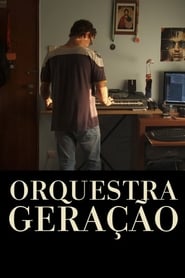
Orquestra Geração
2011
star 5Generation Orchestra is a portrait of the impact of an initiative by the same name students from the Miguel Torga School, in Amadora. The initiative was inspired by the international project Orquestra Simon Bolivar, the apex of the National Network of Youth and Children's Orchestras of Venezuela. Ana, Daniel, Diogo and Monica take part in Generation Orchestra and devote themselves to a project that breaks with the formatted context of public schooling and becomes an indispensable part of their lives. From the onset, starting with Drama classes, we discover their dreams, their relationship with music and their sense of truly belonging to a group.You decide!
2011
You decide!
2011
The film depicts Sudan and how international oil companies operate in the southern parts of the country. Wechselmann connects this with Swedish private savers' general ignorance of which funds have shares in the oil companies.12 September: Back to Democracy
1998
Turkish democracy got over the 27th of May and the 12th of March and set off again, but the storm did not subside and the mutual reckoning was not over. On the contrary, new fronts were opened in the country and blood began to flow like a gutter. Finally, on September 12, there was a knock on the door again. Those who came that day changed everything, everything. Nothing would ever be the same again, nothing would be the same as before.BaadAsssss Cinema
2002
BaadAsssss Cinema
2002
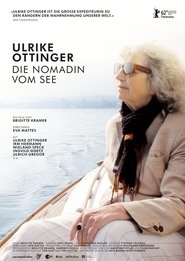
star 5.9With archive film clips and interviews, this brief look at a frequently overlooked historical period of filmmaking acts as an introduction rather than a complete record. It features interviews with some of the genre's biggest stars, like Fred Williamson, Pam Grier, and Richard Roundtree. Director Melvin Van Peebles discusses the historical importance of his landmark film Sweet Sweetback's Baadasssss Song. For a contemporary perspective, the excitable Quentin Tarantino offers his spirited commentary and author/critic bell hooks provides some scholarly social analysis.Ulrike Ottinger: Nomad from the Lake
2012
star 6Ulrike Ottinger is an exceptional filmmaker and artist. Her cinematic universe has influenced entire generations. As a young woman, she brought the international art world to the sleepy town of Konstanz. It all began on the shores of Lake Constance where Ulrike Ottinger was born and where she still often spends time. Filmmaker Brigitte Kramer chose to begin her film at Lake Constance since she too shares Ottinger’s birthplace and a great love of these waters. This is also where the filmmaker’s own artistic development began, not least as a result of her encounter with Ottinger and her work. Other fellow travellers and friends appearing in this film include art historian Katharina Sykora, collector and curator Ingvild Goetz, film historian Ulrich Gregor, philosopher Bernd Scherer and actor Irm Hermann. Using this common ground as a starting point for an exploration of Ottinger’s substantial oeuvre, this documentary provides a keen insight into the artist’s life and work.Round Up: Deposing 'The Usual Suspects'
2002
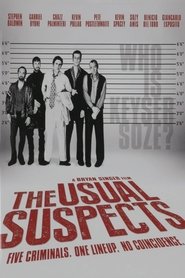
star 7Documentary that includes interviews with Singer as well as the rest of the cast - mainly Spacey. There is no "plot" or "promotional" elements to this documentary - all of the information offered is substantial and informative as we are let in on all the details of trying to seek out the right actors for the parts, as well as the thoughts of the actors about joining an independent production helmed by a young director. Part 2 is a more interesting look at the production itself, complete with the problems and obstacles that faced the low-budget feature, as well as the happier memories of the work that the cast and crew went through. There's a lot of discussion of the infamous laughter during the lineup sequence, complete with a few outtakes of the scene.Crowns & Chaos
2024
Crowns & Chaos
2024
A group of friends launching a groundbreaking hip-hop showcase in their city rise to popularity, but their unity is tested by diverging ambitionDave Stevens: Drawn to Perfection
2022
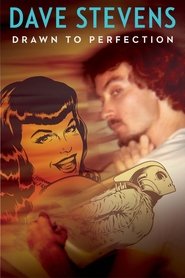
Dave Stevens created The Rocketeer and reintroduced the world to 50's pin-up model Bettie Page. While carving out his own unique corner of importance in comic book and illustration art, Dave showed the world what it's like to pursue the life of a creative individual.Martin Lawrence Live: Runteldat
2002
star 5.2The controversial bad-boy of comedy delivers a piercing look at his life, lifting the metaphorical smokescreen that he feels has clouded the public view, commenting on everything from the dangers of smoking to the trials of relationships, and unleashing a nonstop litany of raucous anecdotes, stinging social commentary and very personal reflections about life.Conspiritus: The Satanic Illuminati Conspiracy
2009
The truth about who and what the " elites " true agenda, purpose, and motivations are.