Popular Documentary Movies - Page 72
All Services
Free Services
 Netflix
 Amazon Prime Video
 Apple iTunes
 Apple TV Plus
 Disney Plus
 Google Play Movies
 Paramount Plus
 Hulu
Hulu
 HBO Max
 YouTube
 fuboTV
 Peacock
 Peacock Premium
 Amazon Video
 The Roku Channel
 AMC+
AMC on Demand
AMC+
AMC on Demand
 Kocowa
 Hoopla
 The CW
 Vudu
Vudu
 Starz
Starz
 Showtime
 PBS
PBS
 Pantaflix
 FXNow
FXNow
 Tubi TV
 Kanopy
 Comedy Central
 Crunchyroll
 Microsoft Store
 Redbox
 Sun Nxt
 ABC
ABC
 DIRECTV
 Crackle
 Fandor
 Plex
Plex
Netflix
Amazon Prime Video
Apple iTunes
Apple TV Plus
Disney Plus
Google Play Movies
Paramount Plus
Hulu
HBO Max
YouTube
fuboTV
Peacock
Peacock Premium
Amazon Video
The Roku Channel
AMC+
AMC on Demand
Kocowa
Hoopla
The CW
Vudu
Starz
Showtime
PBS
Pantaflix
FXNow
Tubi TV
Kanopy
Comedy Central
Crunchyroll
Microsoft Store
Redbox
Sun Nxt
ABC
DIRECTV
Crackle
Fandor
Plex

Brasilia, Contradictions of a New City
1968
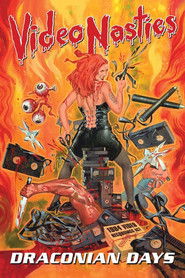
star 7.5In 1967, de Andrade was invited by the Italian company Olivetti to produce a documentary on the new Brazilian capital city of Brasília. Constructed during the latter half of the 1950s and founded in 1960, the city was part of an effort to populate Brazil’s vast interior region and was to be the embodiment of democratic urban planning, free from the class divisions and inequalities that characterize so many metropolises. Unsurprisingly, Brasília, Contradições de uma Cidade Nova (Brasília, Contradictions of a New City, 1968) revealed Brasília to be utopic only for the wealthy, replicating the same social problems present in every Brazilian city. (Senses of Cinema)Video Nasties: Draconian Days
2014
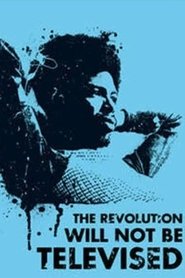
star 7.4The highly anticipated follow-up to their critically acclaimed VIDEO NASTIES: MORAL PANIC, CENSORSHIP & VIDEOTAPE documentary, director Jake West and producer Marc Morris continue uncovering the shocking story of home entertainment post the 1984 Video Recordings Act. A time when Britain plunged into a new Dark Age of the most restrictive censorship, where the horror movie became the bloody eviscerated victim of continuing dread created by self-aggrandizing moral guardians. With passionate and entertaining interviews from the people who lived through it and more jaw dropping archive footage, get ready to reflect and rejoice the passing of a landmark era.Gil Scott-Heron: The Revolution Will Not Be Televised
2003
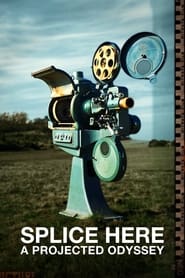
Gil Scott-Heron was one of the most influential musicians and poets of the last 50 years. In Don Letts's documentary, Gil tells his own story for the first time-from being one of the first black children to integrate an all white Southern state school to becoming the Godfather of Rap. There are contributions from Chuck D, Mos Def, Richi Havens and the Last Poets, among others. Filmed in October 2003, Gil performs live and recites poetry out on the streets of Harlem, which have inspired so much of his music.Splice Here: A Projected Odyssey
2022
star 8A 'cine-ramic' roller-coaster ride through the rise, fall and re-birth of projected film.Beethoven's Nine: Ode to Humanity
2024
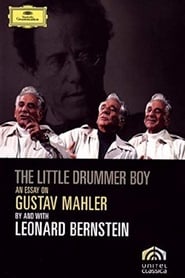
star 6Can a work of art remain relevant 200 years after its creation? Ludwig van Beethoven’s last completed symphony proves it’s possible.The Little Drummer Boy: An Essay on Mahler by Leonard Bernstein
1985
star 8This television essay from 1985 was written by Leonard Bernstein to commemorate the 125th anniversary of Gustav Mahler's birth. Recorded in Israel, Vienna and later in London, it is punctuated by biographical interludes and illustrated by musical examples drawn from the cycle of Mahler's works recorded by Bernstein. Bernstein talks, plays and conducts various orchestras (Israel Philharmonic Orchestra, London Philharmonic Orchestra, Wiener Philharmoniker) and soloists (Janet Baker, Christa Ludwig, Edith Mathis, Lucia Popp, Walton Groenroos) in performances spanning 17 years. Leonard Bernstein also examines the roots of Gustav Mahler's inspiration. The programme also features music from the nine symphonies, 'The Song of the Earth' and the 'Wunderhorn Cycle'.Sam Morril: Full Capacity
2021
A documentary about the comedy clubs reopening in NYC and getting back to some sense of normalcy.Personality Parade
1938
Personality Parade
1938
This MGM short provides brief glimpses of over sixty screen actors and actresses, all whom started in silent films.The First Monday in May
2016
star 7.4Chronicles the creation of The Metropolitan Museum of Art's most attended fashion exhibition in history, "China: Through The Looking Glass," an exploration of Chinese-inspired Western fashions by Costume Institute curator Andrew Bolton.It's Alive: The True Story of Frankenstein
1994
star 8.5Mary Shelley created a monster in 1818, and writers, actors and filmmakers haven't been able to get enough of it ever since. The history of the creature on and off the screen includes clips from Thomas Edison's 1910 filmization to Kenneth Branagh's 1994 treatment, plus interviews with Robert De Niro, Mel Brooks, Roger Corman and others. Hosted by Roger Moore; narrated by Eli Wallach.Weird Sex and Snowshoes: A Trek Through the Canadian Cinematic Psyche
2004
star 5This compelling documentary explores Canadian film culture and tries to discover what defines Canadian film through interviews with notable filmmakers.The Road to Victory
1944
The Road to Victory
1944
star 5.5Documentary short film intended to drum up support for the Fifth War Loan Campaign. It shows a happy family in the future of 1960 enjoying the prosperity and advantages made possible by the successful prosecution of the war, and how the sacrifices of 1944 have made the world a better place. Edited down from The Shining Future (1944).Gotham Uncovered: Creation of a Scene
2008
star 7Director Christopher Nolan and creative collaborators unmask the incredible detail and planning behind The Dark Knight, including stunt staging, filming in IMAX, the new Bat-Suit and Bat-Pod and other exclusive features.All Is Forgiven, for We Have Been Happy
2017
The film tells the story of Leon Agusta (1938-2015), a poet, cultural activist, and playwright who was born in Sigiran, Lake ManinJau, West Sumatra. Leon’s craft was fueled by pain of the past from the tragedies, betrayals, and the many instances love has touched his life. His activism was driven by his love of his birthplace and the betterment of others. Semua Sudah Dimaafkan sebab Kita Pernah Bahagia sees Paul Agusta; Leon’s youngest son recounts what he remembers of his father as well as following him to trace back Leon’s early years to find the roots of his passion and pain to further know the complex individual that was his father, Leon Agusta.Party at the Palace: The Queen's Concerts, Buckingham Palace
2002
star 6.3Well known performers accompanied by 12,000 selected members of the public on the lawn of Buckingham Palace to celebrate the Queen's Golden Jubilee.Clínica de Migrantes: Life, Liberty, and the Pursuit of Happiness
2016
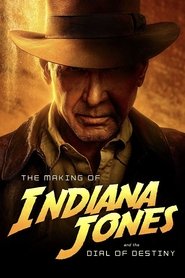
star 6.7Puentes de Salud is a volunteer-run clinic that provides free medical care to undocumented immigrants in south Philadelphia. Here, doctors and nurses work for free to serve people who would otherwise fall through the cracks. Clinica de Migrantes, a potent film by Maxim Pozdorovkin, follows the workers and patients of Puentes through months of routine care and growth. Along the way, the film puts a face to the millions of people who exist on the margins of society: people displaced from their homelands, separated from their families, unfamiliar with the customs, unable to obtain health insurance and terrified to come forward to seek medical help. Along with revealing these patient stories, Clinica is also a look at the heroic doctors and nurses who work pro bono to ensure these people receive care, offering a deeply moving look at the limitless potential of humanity.The Making of Indiana Jones and the Dial of Destiny
2023
star 6.4Join the adventure with the cast and crew, showcasing new characters, stunts, music, locations, production design, and visual effects in five chapters that chart the making of Indiana Jones and the Dial of Destiny.The Black Power Mixtape 1967-1975
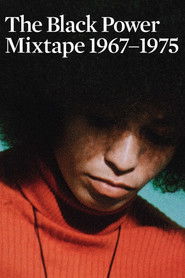
2011
star 7.6Examines the evolution of the Black Power Movement in US society from 1967 to 1975. It features footage of the movement shot by Swedish journalists in the United States during that period and includes the appearances of Angela Davis, Bobby Seale, Huey P. Newton, Eldridge Cleaver, and other activists, artists, and leaders central to the movement.The Seat
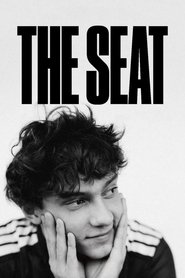
2025
The Seat
2025
star 7.6'The Seat' is an unprecedented inside look that led to a once-in-a-generation driver change in Mercedes and F1 history. It reveals the private conversations that led the Mercedes team and Toto Wolff, its Team Principal and CEO, to its decision to promote 18-year-old Italian-born Kimi Antonelli to a Formula 1 Driver, making him the third-youngest rookie in the sport's history. The film follows Kimi, in the lead up to his first Formula 1 season as he takes on his destiny.