Popular History Movies - Page 160
All Services
Free Services
 Netflix
 Amazon Prime Video
 Apple iTunes
 Apple TV Plus
 Disney Plus
 Google Play Movies
 Paramount Plus
 Hulu
Hulu
 HBO Max
 YouTube
 fuboTV
 Peacock
 Peacock Premium
 Amazon Video
 The Roku Channel
 AMC+
AMC on Demand
AMC+
AMC on Demand
 Kocowa
 Hoopla
 The CW
 Vudu
Vudu
 Starz
Starz
 Showtime
 PBS
PBS
 Pantaflix
 FXNow
FXNow
 Tubi TV
 Kanopy
 Comedy Central
 Crunchyroll
 Microsoft Store
 Redbox
 Sun Nxt
 ABC
ABC
 DIRECTV
 Crackle
 Fandor
 Plex
Plex
Netflix
Amazon Prime Video
Apple iTunes
Apple TV Plus
Disney Plus
Google Play Movies
Paramount Plus
Hulu
HBO Max
YouTube
fuboTV
Peacock
Peacock Premium
Amazon Video
The Roku Channel
AMC+
AMC on Demand
Kocowa
Hoopla
The CW
Vudu
Starz
Showtime
PBS
Pantaflix
FXNow
Tubi TV
Kanopy
Comedy Central
Crunchyroll
Microsoft Store
Redbox
Sun Nxt
ABC
DIRECTV
Crackle
Fandor
Plex

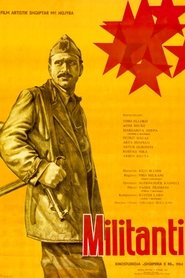
The Militant
1984
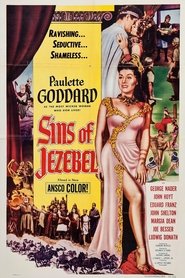
Sins of Jezebel
1953
Sins of Jezebel
1953
star 5The aging king of Israel, Ahab, falls under the influence of a young and beautiful but scheming Pagan woman named Jezebel and, against the advice of his advisers and the prophet Elijah, marries her. Her plan to introduce her idols to Israel angers God, who wreaks vengeance on Israel.The Pilgrims
2015
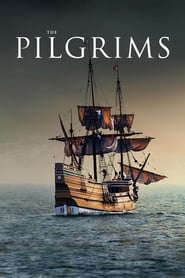
The Pilgrims
2015
star 7.7Arguably one of the most fateful and resonant events of the last half millennium, the Pilgrims journey west across the Atlantic in the early 17th century is a seminal, if often misunderstood episode of American and world history. The Pilgrims explores the forces, circumstances, personalities and events that converged to exile the English group in Holland and eventually propel their crossing to the New World; a story universally familiar in broad outline, but almost entirely unfamiliar to a general audience in its rich and compelling historical actuality. Includes the real history of the "first thanksgiving".Letters from Karelia
2004
Letters from Karelia
2004
Story of Aate Pitkänen, a idealistic Canadian-Finn who went to Soviet Karelia.Year as Long as Life
1965
Year as Long as Life
1965
star 4The film takes place in Europe in the 19th century. The film shows the popular uprisings that took place there, as well as the search for truth and the confrontation of Karl Marx and opponents of the revolution.Midnight Bells
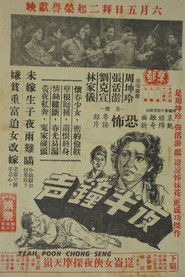
1950
The Rose of Versailles -Oscar and Andre-
2013
Takarazuka Moon Troupe 2013 version of The Rose of Versailles: Oscar and AndreThe Gutenberg Enigma
2017
The Gutenberg Enigma
2017
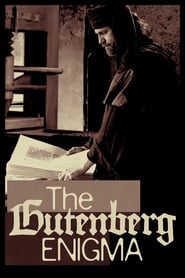
star 7.5A portrait of the inventor of the letterpress, who was a key figure in the history of mankind, but also an enthusiastic inventor, a daring businessman, a tenacious troublemaker: the life of Johannes Gutenberg (circa 1400-68).Queen of Scots
1967
Queen of Scots
1967
A dramatised account of the life of Mary, Queen of Scots, performed and broadcast live on Scottish Television on 29th November 1967 to mark STV's tenth anniversary.Now or Never!
2024
Now or Never!
2024
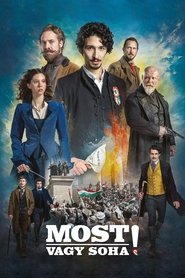
star 2.5On March 15, 1848, a young firebrand poet, Sándor Petöfi ignites the Hungarian Revolution with his passionate 'National Song', prompting the Austrians to dispatch a ruthless secret agent to assassinate him and suppress the uprising.Francesco
1989
Francesco
1989
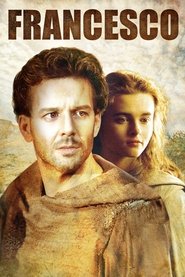
star 6.5The life of St. Francis of Assisi (1181-1226) as related by followers who gather after his death to tell stories so that Leone can record them: a privileged and virile youth, a prisoner of war, an heir who turns away from his father and gives all to the poor, a beggar for others, and an inspiration to friends who accept the Gospels' life of poverty.Pielgrzym
1979
Pielgrzym
1979
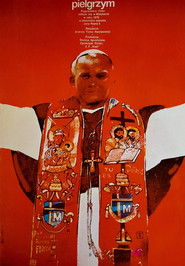
The documentary presents Pope John Paul II's first pilgrimage to Poland, which took place in 1979.Quisling: The Final Days
2024
star 6.1After five years, the German occupation of Norway ends on 8 May 1945. The rebuilding of the nation can begin, but first the final chapter must be written. In a dark cell at Akershus Fortress sits the man who committed the greatest treason of all: Vidkun Quisling. Now he must be held accountable for his actions and the atrocities that Nazi ideology led to.The Birth, the Life and the Death of Christ
1906
star 5.8The stations of Christ's life are segmented into a series of performative tableaux.Thunder in the Sun
1959
Thunder in the Sun
1959
star 5.5A band of Basque immigrants treks through the Old West toward California, where they hope to put down roots and open wineries. When the group's leader dies, his widow Gabrielle marries his brother in accordance with Basque tradition. But it's a loveless union; Gabrielle is smitten with Lon Bennett, the scout who's been hired to guide them on their journey.Sarvadhikari
1951
Sarvadhikari
1951
Playing for Time
1980
Playing for Time
1980
star 6.8When a Jewish songstress is plucked from the stage and sent to Auschwitz, she and other musicians find themselves assigned to a terrible task—using their talents to soothe fellow prisoners who are sentenced to die in the gas chambers.Mä oksalla ylimmällä
1954
Mä oksalla ylimmällä
1954
star 4.5A fictional love story between famous composer Gabriel Linsén and opera singer Maria Sawina in 19th century Finland.Heroes of Shipka
1955
Heroes of Shipka
1955
star 4.8Heroes of Shipka was the first solo effort for Soviet director Sergei Vasilyev, who had previously collaborated with his late brother Georgi. As head of the Leningrad Film Studios, Vasilyev was obliged to traffic in propaganda, but he never forgot how to make his material entertaining. The film is set in 1887 during the pivotal battle between the Russians and the Turks at the Shipka Pass. Stressing the solidarity of the Soviet states, tribute is paid to the courageous Bulgarian volunteers who helped the Russians fend off their mutual enemy. American critics were impressed by Heroes of Shipka, but felt that the film would have been twice as effective had it been lensed in Cinemascope rather than "standard aspect."