Popular History Movies - Page 341
All Services
Free Services
 Netflix
 Amazon Prime Video
 Apple iTunes
 Apple TV Plus
 Disney Plus
 Google Play Movies
 Paramount Plus
 Hulu
Hulu
 HBO Max
 YouTube
 fuboTV
 Peacock
 Peacock Premium
 Amazon Video
 The Roku Channel
 AMC+
AMC on Demand
AMC+
AMC on Demand
 Kocowa
 Hoopla
 The CW
 Vudu
Vudu
 Starz
Starz
 Showtime
 PBS
PBS
 Pantaflix
 FXNow
FXNow
 Tubi TV
 Kanopy
 Comedy Central
 Crunchyroll
 Microsoft Store
 Redbox
 Sun Nxt
 ABC
ABC
 DIRECTV
 Crackle
 Fandor
 Plex
Plex
Netflix
Amazon Prime Video
Apple iTunes
Apple TV Plus
Disney Plus
Google Play Movies
Paramount Plus
Hulu
HBO Max
YouTube
fuboTV
Peacock
Peacock Premium
Amazon Video
The Roku Channel
AMC+
AMC on Demand
Kocowa
Hoopla
The CW
Vudu
Starz
Showtime
PBS
Pantaflix
FXNow
Tubi TV
Kanopy
Comedy Central
Crunchyroll
Microsoft Store
Redbox
Sun Nxt
ABC
DIRECTV
Crackle
Fandor
Plex

Pedro, Between the Devil and the Deep Blue Sea
2022
star 5.8The story of Brazil’s first emperor, returning to Europe on board the English ship Warspite. The trip makes Pedro conquer his fears and face his life from a personal point of view. He goes back in time and relives outstanding moments of his earlier life – since his childhood, when in 1808 he arrived coming from Portugal with his family, until he left in the dead of the night, in 1831, running away from Brazil.All Blacks at War
2024
All Blacks at War
2024
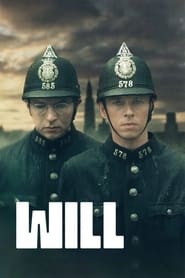
Travelling the Western Front, grave to grave, former All Black Andrew Mehrtens shares the story of the 13 All Blacks killed in WW I.WILL
2023
WILL
2023
star 6.6Two young police officers find themselves torn between collaboration and resistance as they navigate the Nazi-occupied Antwerp during World War II.Hostage
2014
Hostage
2014
star 7.5Tragicomic family film about the world of children heroes - particularly the son of a local communist officer and his friend, a little hostage of the regime, whose parents emigrated to the West, few years before "Prague Spring" and the occupation of Czechoslovakia. Camaraderie, the first big discoveries of love, enemy gang fights and naive ideas are confronted with the reality of adult's world. The film is about the first contacts with bizarre and absurd reality of relationships and attitudes of adults, politics, emigration, but also betrayal and death and about how all those things form and transform the lives of small boys, who are forced to grow up too quickly.Alice Guy, the First Female Filmmaker
2021
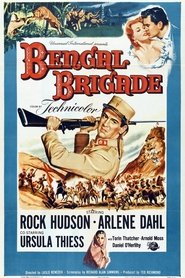
star 7.2Who, apart from moviegoers, knows Alice Guy (1873-1968) today? However, she was the first woman behind the camera and the first female director and producer of fiction films in history.Bengal Brigade
1954
Bengal Brigade
1954
star 5.3Year 1856, British India. Capt. Jeffrey Claybourne is severely punished after disobeying an order. Feeling unworthy of his fiancée Vivian Morrow, the daughter of his superior officer, Claybourne leaves the army until he could regain his reputation. When the Rajah Karam launches an attack on the British forces in India, Claybourne finds a chance at redemption.Sharpe's Eagle
1993
Sharpe's Eagle
1993
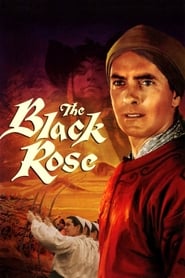
star 7.1Sharpe is a Captain saddled with the South Essex, a battalion run by incompetents and filled with soldiers who have never been in battle. When the South Essex loses its colours (its regimental flag), Sharpe vows to save the honor of the regiment by capturing a French Imperial standard: an eagle.The Black Rose
1950
The Black Rose
1950
star 6.6In the 13th century, Walter of Gurnie, a disinherited Saxon youth, is forced to flee England. With his friend, Tristram, he falls in with the army of the fierce but avuncular General Bayan, and journeys all the way to China, where both men become involved in intrigues in the court of Kublai Khan.The Battle of Chernobyl
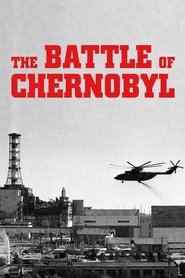
2007
star 7.5On April 26, 1986, a 1,000 feet high flame rises into the sky of the Ukraine. The fourth reactor of the Chernobyl nuclear power plant just exploded. A battle begins in which 500,000 men are engaged throughout the Soviet Union to "liquidate" the radioactivity, build the "sarcophagus" of the damaged reactor and save the world from a second explosion that would have destroyed half of Europe. Become a reference film, this documentary combines testimonials and unseen footage, tells for the first time the Battle of Chernobyl.Lakeuksien lukko
1951
Lakeuksien lukko
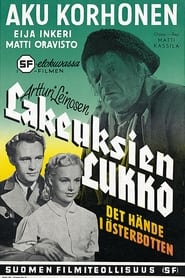
1951
star 5Set in rural Ostrobothnia in 1859, Tuomas Kantola, a farmer, is the only peasant in the village who does not sell his land to Lohikoski's boss Adler, and even starts to annoy him by building a dam to defy the project to drain Lohikoski's lands. During the summer, Harri , a student, and Kantola's daughter Annika fall in love, which is not accepted by either of their fathers or Annika's ex-fiancé Tuomas.Martín Fierro
1968
Martín Fierro
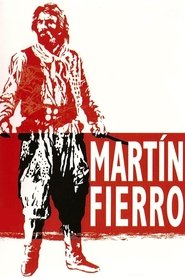
1968
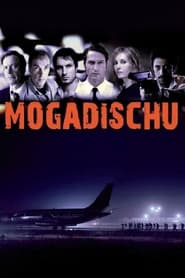
star 5.4The story of rebel gaucho Martin Fierro, his people, and their life in the Argentine Pampas. Based on José Hernández's epic poem.Mogadischu
2008
Mogadischu
2008
star 6.5The incredible true story of Lufthansa Flight 181, which was hijacked by the Popular Front for the Liberation of Palestine in October of 1977, and the noble efforts of stewardess Gabriele Dillmann (Nadja Uhl) to ensure the safety of the terrified passengers throughout the harrowing ordeal. When terrorists sympathetic to the cause of the German Red Army Faction seize control of the flight, German chancellor Helmut Schmidt refuses to negotiate. Meanwhile, terrorist leader "Captain Martyr Mahmud" grows increasingly agitated, and the Yemeni government refuses to let the plane land on their soil. After Captain Schumann (Thomas Kretschmann) makes an emergency landing in the sand, he is brutally executed in front of the passengers by "Captain Martyr Mahmud" (Said Taghmaoui), who then forces the co-pilot to fly the plane to Somolia. Once there, counter terrorism measures quickly get underway as the passengers brace themselves for the worst.El tambor de Tacuarí
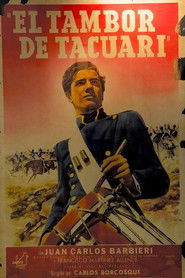
1948
El tambor de Tacuarí
1948
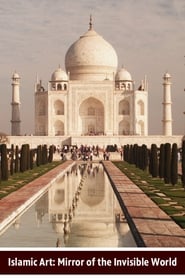
After the May Revolution occurred, a young man abandoned his royalist uncle and became a drummer for the revolutionary army and his father's guide.Islamic Art: Mirror of the Invisible World
2011
star 6This ninety-minute film takes audiences on an epic journey across nine countries and over 1,400 years of history. It explores themes such as the Word, Space, Ornament, Color and Water and presents the stories behind many great masterworks of Islamic Art and Architecture. Narrated by Academy Award winning performer Susan Sarandon, this dazzling documentary reveals the variety and diversity of Islamic art. It provides a window into Islamic culture and brings broad insights to the enduring themes that have propelled human history and fueled the rise of world civilization over the centuriesIssa
2017
Issa
2017
Movie depicts the later life of poet Issa Kobayashi. At the age of 50, he goes back to his hometown. Two years later, he marries 28-year-old Kiku. The couple go on to have three sons and one daughter, but their children all die at early ages. Due to inheritance issues with his father's property, Issa comes into conflict with his stepmother Satsu and his younger stepbrother Senroku.442: Live with Honor, Die with Dignity
2010
star 10Medal of Honor Recipient George Sakato said with tear, ' I am not a hero. I just killed a lot of people. It's not good. This medal is for the people who couldn't return their homes, not for me.' Even many soldiers who received the decoration still have deep scars in their hearts now. He is the veteran of 442nd Regimental Combat Team in WW2 composed of Japanese Americans, who were at first seen as the problem because of their race, but later seen as problem solvers because of their splendid achievements on the battle field. They had to fight not only the enemy but also prejudice. This is the story of the 442nd and their veterans now and then.Story of Judas
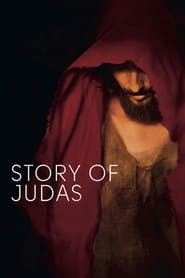
2015
Story of Judas
2015
star 6.2A man ascends a barren summit. It is Judas, come to collect Jesus and carry him down the mountain on his back, joking and panting as he does so. After bathing in the river and taking part in a henna ceremony, Jesus leaves for Jerusalem. Judas is concerned for his friend’s safety, since the Roman occupiers look upon the prophet as an insurgent.Bialik - King of the Jews
2014
star 7.3By the age of thirty he’d already become the most famous poet in the Jewish world. He spent very few years living in Tel Aviv, but he loved the city dearly. Some 100,000 people attended his funeral in 1934. “King of the Jews” is a portrait of the most beloved Jew of his day, Chaim Nachman Bialik. Combining special animation, a voice track by Chaim Topol, rare archival footage, long-forgotten photographs, poems by Bialik performed by Ninet and interviews with the foremost Bialik researchers and fans in Israel and around the world, this film retells the story of the little boy from the shtetl, who became King of the Jews.