Popular History Movies - Page 411
All Services
Free Services
 Netflix
 Amazon Prime Video
 Apple iTunes
 Apple TV Plus
 Disney Plus
 Google Play Movies
 Paramount Plus
 Hulu
Hulu
 HBO Max
 YouTube
 fuboTV
 Peacock
 Peacock Premium
 Amazon Video
 The Roku Channel
 AMC+
AMC on Demand
AMC+
AMC on Demand
 Kocowa
 Hoopla
 The CW
 Vudu
Vudu
 Starz
Starz
 Showtime
 PBS
PBS
 Pantaflix
 FXNow
FXNow
 Tubi TV
 Kanopy
 Comedy Central
 Crunchyroll
 Microsoft Store
 Redbox
 Sun Nxt
 ABC
ABC
 DIRECTV
 Crackle
 Fandor
 Plex
Plex
Netflix
Amazon Prime Video
Apple iTunes
Apple TV Plus
Disney Plus
Google Play Movies
Paramount Plus
Hulu
HBO Max
YouTube
fuboTV
Peacock
Peacock Premium
Amazon Video
The Roku Channel
AMC+
AMC on Demand
Kocowa
Hoopla
The CW
Vudu
Starz
Showtime
PBS
Pantaflix
FXNow
Tubi TV
Kanopy
Comedy Central
Crunchyroll
Microsoft Store
Redbox
Sun Nxt
ABC
DIRECTV
Crackle
Fandor
Plex

Children of Labor: A Finnish-American History
1977
How Finnish immigrants came into contact — and conflict — with industrial America. Three generations of Finnish-Americans recount how they coped with harsh realities by creating their own institutions: churches, temperance halls, socialist halls, and cooperatives.Caffè Italia, Montréal
1985
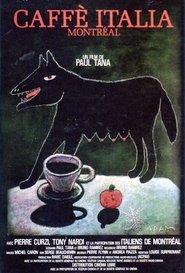
Using archival documents, fictions, current accounts, and excerpts from a theatrical creation, Paul Tana paints a nuanced portrait of the Italians of Montreal. From the first waves of immigration at the beginning of the century to the men and women taken to a prisoner of war camps during World War II, to the hardships and joys of building vibrant lives in Montréal. Caffè Italia Montréal chronicles a significant chapter in Canada’s history.Lim Kkeok-jeong
1961
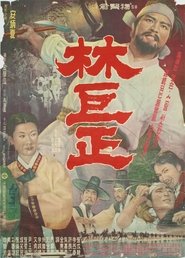
Lim Kkeok-jeong
1961
On the Road to Desolation
1997
Andrew O'Hagan looks at a critical point in the life of Beat Generation writer Jack Kerouac. In 1956 he spent spent 63 soul-searching days as a fire-watcher on Washington state's Desolation Peak. After this stint he was never the same creative force again.My Family Tree
2013
My Family Tree
2013
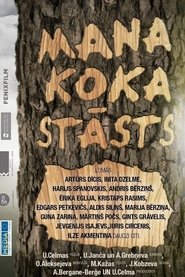
A unique, engaging film that combines documentary footage with narrative cinema to tell the story of four generations of a Latvian family. Sixteen year-old student Jānis has been given an interesting homework assignment – to draw his family tree and explain it. The story of his family begins with his great-great-grandfather who burned down the manors of German landowners during the 1905 revolution. My Family Tree takes us on a journey to various countries and political regimes, showing Jānis’ ancestors to be people of diverse fates and life stories. A rich Latvian trader, a red rifleman loyal to Lenin, a carpenter with the KGB and war refugees in Sweden are only a few branches on his family tree, and the boy has heard something unusual and unforgettable about each and every one of these people.Hitler's Disastrous Desert War
2021
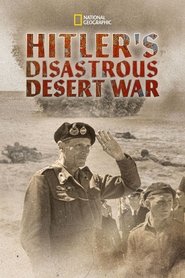
star 7.5When the British army looks set to defeat Mussolini’s Italian forces, Hitler sends reinforcements; the Afrika Korps led by General Rommel. The Desert Fox is on winning form until Montgomery, the British commander, sets up a plan to crush his opponent. After the American landing in North Africa, the Axis armies have no choice but to surrender and put an end to the Desert War.Patria
2019
Patria
2019
star 7Paco Ignacio Taibo II brings his book trilogy to life, highlighting Mexico's history in 1854-1867, a period he considers foundational to the country.The Gaucho Priest
1941
The Gaucho Priest
1941
The life of José Gabriel Brochero, the Cordovan priest who dedicated his life to those most in need.The Devil's Ballroom
2012
The Devil's Ballroom
2012
Along his strenuous journey to the North Pole, a chance encounter forces a fearless explorer to make an impossible decision. After burying his last remaining companion, a fearless explorer has to find his way to the North Pole alone, fighting snow-blindness and physical strain. An unexpected encounter forces him to decide between honor and fame in the history books or keeping the moral high ground—a choice which will haunt the rest of his life. Although taking place in the early 1910s, The Devil's Ballroom tells a timeless tale of greed, self-sacrifice, the blinding yearn for success and the sacred myth surrounding European explorers.Coward
0000
Coward
0000
The Scar-faced Cat: Way of Asura
0000
A vengeful Taiwanese maiko breaks out of prison to kill every Japanese cop who raped her, only to realize it was the person closest to her who first put her through hell.Pohjalaisia
1925
Pohjalaisia
1925
star 6.3The story, set in the 19th century, revolves around the hot-blooded Jussi, a young farmer, and his friend Antti and their brushes with the local nimismies (sheriff) and the häjyt (badmen). The film, shot on location on the plains of Ostrobothnia, conveys a good sense of its unique landscape. Both Järviluoma and the director, Jalmari Lahdensuo were from Ostrobothnia and the film successfully expresses a feeling of the true spirit of the province.The Siege of Calais
1911
Number 55
2014
Number 55
2014
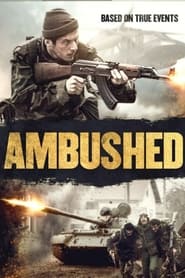
star 6.5In the autumn of 1991, a small group of Croatian soldiers go on patrol in an improvised armored vehicle. Soon after that they would get ambushed and their vehicle would get destroyed, in that situation they were forced to hide in a nearby house. Whilst stationed in that house they would get attacked by rebel Serbs, Serbian Special Forces and the JNA (Yugoslav People's Army, also reffered to as Yugoslavian National Army). Their resistance to the attackers would last 24 hours whilst their fellow combatants would attempt to try and get them out of there. The movie and story is based on true events which happened during the Croatian War of Independence.All Power to the People!
1996
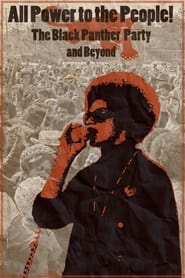
star 5.8Using government documents, archive footage and direct interviews with activists and former FBI/CIA officers, All Power to the People documents the history of race relations and the Civil Rights Movement in the United States during the 1960s and 70s. Covering the history of slavery, civil-rights activists, political assassinations and exploring the methods used to divide and destroy key figures of movements by government forces, the film then contrasts into Reagan-Era events, privacy threats from new technologies and the failure of the “War on Drugs”, forming a comprehensive view of the goals, aspirations and ultimate demise of the Civil Rights Movement…Free to Rock
2017
Free to Rock
2017
star 6.4Rock & Roll spread the sound of freedom across the Iron Curtain and throughout Eastern Europe and the USSR, despite Communist attempts to outlaw it and to crush what they perceived was a contamination of their youth. Over the next thirty years, thousands of underground bands and millions of young fans who yearned for Western values helped fuel the nonvio- lent implosion of the Soviet regime. FREE TO ROCK features Presidents, diplomats, spies and rock stars from the West, the Soviet Union and Eastern Europe who reveal how Rock & Roll music was a contributing factor in ending the ColdThe Children of Villa Emma
2016
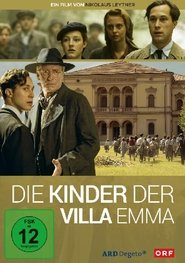
star 5.2According to true events, the moving drama "The Children of Villa Emma" tells of a dangerous escape that took place during the Second World War. In 1942/1943, the Italian village of Nonantola was indeed a refuge for 73 Jewish children who wanted to escape the merciless access of the National Socialists on their way to the "Promised Land" of Palestine. Director Nikolaus Leytner describes the dangerous journey as an exciting test, presented by a talented young cast.Dorothea Mitchell: A Reel Pioneer
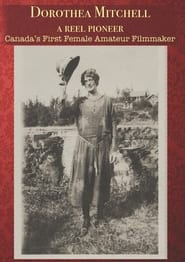
2010
Dorothea Mitchell – A Reel Pioneer recounts in Mitchell’s own words the amazing life of a pioneer filmmaker. Seventy years later a group of local enthusiasts in Thunder Bay, reinvent the silent pictures, by finishing “The Fatal Flower”,the murder mystery Dorothea had bequeathed to the national Archives of Canada. With no script to work from and some missing scenes, the group nurtured “The Fatal Flower” back to life.Mandela: Long Walk to Freedom
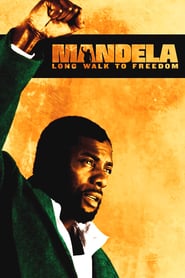
2013
star 6.9A chronicle of Nelson Mandela's life journey from his childhood in a rural village through to his inauguration as the first democratically elected president of South Africa.