Popular History Movies - Page 81
All Services
Free Services
 Netflix
 Amazon Prime Video
 Apple iTunes
 Apple TV Plus
 Disney Plus
 Google Play Movies
 Paramount Plus
 Hulu
Hulu
 HBO Max
 YouTube
 fuboTV
 Peacock
 Peacock Premium
 Amazon Video
 The Roku Channel
 AMC+
AMC on Demand
AMC+
AMC on Demand
 Kocowa
 Hoopla
 The CW
 Vudu
Vudu
 Starz
Starz
 Showtime
 PBS
PBS
 Pantaflix
 FXNow
FXNow
 Tubi TV
 Kanopy
 Comedy Central
 Crunchyroll
 Microsoft Store
 Redbox
 Sun Nxt
 ABC
ABC
 DIRECTV
 Crackle
 Fandor
 Plex
Plex
Netflix
Amazon Prime Video
Apple iTunes
Apple TV Plus
Disney Plus
Google Play Movies
Paramount Plus
Hulu
HBO Max
YouTube
fuboTV
Peacock
Peacock Premium
Amazon Video
The Roku Channel
AMC+
AMC on Demand
Kocowa
Hoopla
The CW
Vudu
Starz
Showtime
PBS
Pantaflix
FXNow
Tubi TV
Kanopy
Comedy Central
Crunchyroll
Microsoft Store
Redbox
Sun Nxt
ABC
DIRECTV
Crackle
Fandor
Plex

A Royal Scandal
1945
A Royal Scandal
1945
star 6.9Catherine the Great falls in love with an army officer who is plotting against her.Autumn Girl
2021
Autumn Girl
2021
star 4.7Polish film and music icon Kalina Jedrusik, a scandalous free-spirited sex symbol, fights for her independence in the prude society of the 1960s.Soldier of God
2005
Soldier of God
2005
star 5The Knights Templar, a religious order originally assigned to protect Christian pilgrims, has disintegrated from chivalric order and justice into dissolute chaos, as its individual factions bloodthirstily vie with one another for power and control.Hibiscus Town
1987
Hibiscus Town
1987
star 7.9Based on a novel by the same name written by Gu Hua, a melodrama about the life and travails of a young woman who lives through the turmoil of the Cultural Revolution.Beaten by Black Rain
1984
Beaten by Black Rain
1984
star 5.5Many years after the atomic bombing of Hiroshima, the survivors (called hibakusha in Japanese) are still physically and emotionally devastated by the event. Kuroi Ame ni Utarete tells the interlocking stories of a group of survivors who frequent Stand Akauma, a bar: Takeshi, who lost his entire family; Tomoko, a prostitute horribly burned in the bombing; her younger brother Junji, who scrabbles on the fringes of society; Eiko, a pregnant young woman whom he loves; and Yuri, another prostitute who is determined to secure a brighter future for her blind son.Kit Carson
2008
Kit Carson
2008
An illiterate mountain man, Kit Carson was fluent in Spanish and five Indian languages; he twice married Native American women, yet led a brutal war against the Navajo. When the West was a mystery to most Americans, Carson mastered it, and his expertise made him not only famous, but also sought after. Eventually, by helping to spur a migration that would change the West forever, he unwittingly became an agent in the destruction of the life he loved.Snow on The Blades
2014
Snow on The Blades
2014
star 6.6At Sakurada Gate in 1860, the shogun’s chief minister and his retinue of bodyguards are ambushed and annihilated. Bearing the responsibility and shame for this failure is Shimura Kingo, master swordsman and chief of the guard. Forbidden to take his own life in atonement, he is instead tasked with hunting down the remaining assassins; however, fate intervenes and now only one is left. Devoted to his late lord and his duty, he relentlessly pursues the sole remaining assassin for the next thirteen years. But times are changing in Japan and the way of the sword has become outlawed. What does this mean for Kingo?Ronin-gai
1990
Ronin-gai
1990
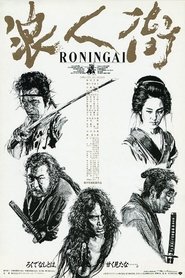
star 5.9Near the end of Japanese civil war, several disgraced ronin living in Edo's red light district attempt to regain their honor by defending a brothel from a hostile militia bent on wiping out local prostitutes.Shura Group Part 3
2002
Shura Group Part 3
2002
Ryuji Inahara changed the name of the Inahara-gumi to the Inahara-kai, and accordingly unified the emblem of the Inahara-kai. Then, in 1961, Inahara-kai opened a new headquarters office in Roppongi, Tokyo. Further incidents and conflicts await Ryuji and the Inahara-kai.The Dig
2021
The Dig
2021
star 6.9As WWII looms, a wealthy widow hires an amateur archaeologist to excavate the burial mounds on her estate. When they make a historic discovery, the echoes of Britain's past resonate in the face of its uncertain future.Vlci
1990
Vlci
1990
McKellen: Playing the Part
2018
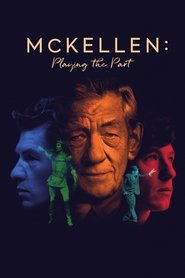
star 7.2Built upon a 14 hour interview, McKellen: Playing the Part is a unique journey through the key landmarks of McKellen's life, from early childhood into a demanding career that placed him in the public eye for the best part of his lifetime. Using an abundance of photography from McKellen's private albums and cinematically reconstructed scenes, a raw talent shines through in the intensity, variety and devotion to that moment in the light.BUTA
2012
BUTA
2012
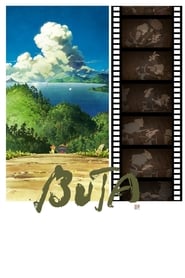
star 6.8Buta the sword for hire is recruited by the Tufugu Pirates on their voyage to seek a stockpile of treasure. On board he discovers a child Kitsune locked away below deck. After some misunderstandings and with the promise of more money, the two of them go on their own adventure.Safe Passage
2015
Safe Passage
2015
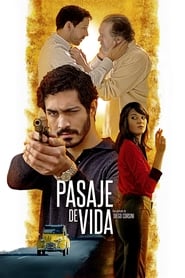
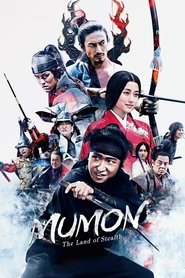
star 4.5In the present, in Spain, Miguel's mind, affected by a brain disease, seems cloistered in the past, in Argentina, in the seventies, when he risked his life for his ideals. He is obsessed with finding a woman named Diana. Mario, his son, who has been away from Miguel for a long time, now feels compelled to unravel the mystery of a name that, like a curse, pursues his father.Mumon: The Land of Stealth
2017
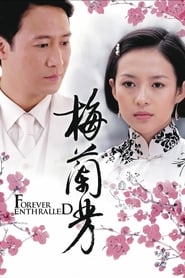
star 6.5Raised suckling poison arrows among the sparring Iga ninja factions, Mumon is a carefree 16th-century mercenary. When the ninja council makes a power play to defeat the young Nobukatsu Oda struggling to step into his father’s warlord shoes as they expand rule across the country, Mumon jumps into the fray to satisfy his new bride Okuni’s demand that he make good on his promises of wealth. Yet Mumon soon finds what is worth fighting for beyond money or nation.Forever Enthralled
2008
Forever Enthralled
2008
star 6.3The epic story Mei Lanfang, who overcame the prejudice against artists in 1930s China to become the country's greatest opera star.The Russian Miracle
1963
The Russian Miracle
1963
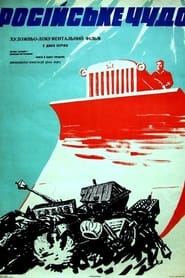
star 8Das russische Wunder (The Russian Miracle) (1963) is a two-part East German documentary directed by Annelie and Andrew Thorndike. The documentary chronicles Russia’s dramatic transformation from the Tsarist Empire to the Soviet Union, covering key historical moments including the 1917 October Revolution and the rise of Soviet communism. Through the use of archival footage, the film explores the socio-political upheavals that reshaped Russia and culminates in the achievements of the Soviet space program. Produced by DEFA, it was first broadcast on East German television in 1963, offering an insightful look at Russia's 20th-century evolution.Dumb Money
2023
Dumb Money
2023
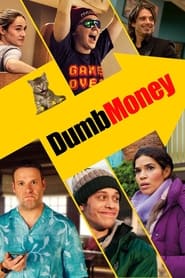
star 6.7Vlogger Keith Gill sinks his life savings into GameStop stock and posts about it. When social media starts blowing up, so do his life and the lives of everyone following him. As a stock tip becomes a movement, everyone gets rich—until the billionaires fight back, and both sides find their worlds turned upside down.A Tale of Samurai Cooking
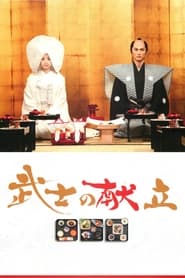
2013
star 7.2In this love story set in the Edo period, 27-year-old Oharu is a genius in the kitchen. Oharu attracts the attention of the master chef of the Kaga Domain, who arranges for her to marry his son and heir, 24-year-old Yasunobu. But, Yasunobu is cold to his new wife, and he's more interested in swordplay than cookery.Vivaldi, the Red Priest
2009
star 6The life of Antonio Vivaldi, called "the red priest", his relationship with the world and the Church, his spiritual battles, his love for a woman.