Popular Documentary Movies on Amazon Prime Video - Page 135
All Services
Free Services
 Netflix
 Amazon Prime Video
 Apple iTunes
 Apple TV Plus
 Disney Plus
 Google Play Movies
 Paramount Plus
 Hulu
Hulu
 HBO Max
 YouTube
 fuboTV
 Peacock
 Peacock Premium
 Amazon Video
 The Roku Channel
 AMC+
AMC on Demand
AMC+
AMC on Demand
 Kocowa
 Hoopla
 The CW
 Vudu
Vudu
 Starz
Starz
 Showtime
 PBS
PBS
 Pantaflix
 FXNow
FXNow
 Tubi TV
 Kanopy
 Comedy Central
 Crunchyroll
 Microsoft Store
 Redbox
 Sun Nxt
 ABC
ABC
 DIRECTV
 Crackle
 Fandor
 Plex
Plex
Netflix
Amazon Prime Video
Apple iTunes
Apple TV Plus
Disney Plus
Google Play Movies
Paramount Plus
Hulu
HBO Max
YouTube
fuboTV
Peacock
Peacock Premium
Amazon Video
The Roku Channel
AMC+
AMC on Demand
Kocowa
Hoopla
The CW
Vudu
Starz
Showtime
PBS
Pantaflix
FXNow
Tubi TV
Kanopy
Comedy Central
Crunchyroll
Microsoft Store
Redbox
Sun Nxt
ABC
DIRECTV
Crackle
Fandor
Plex

I Am What I Play
2015
I Am What I Play
2015
star 5From the 1960s to the 1980s, the rock radio DJ played an unprecedented creative role in the rock music world. I Am What I Play profiles four disc jockeys in major markets during this period: their programming, their politics and their deep connections with musicians and fans in the heyday of rock radio. Where are they now - and how did they reinvent themselves as the medium changed? Featuring the music of The Ramones, Joni Mitchell, Rush, David Bowie, The Cars, The Sonics and more.Welcome To Unity
2018
Welcome To Unity
2018
In a sleepy mountain town nestled in rural America, seven foreign exchange students set out to tackle the 'American Dream'.The Charge of the Anzacs
2014
In 1917 Australian Light Horse soldiers claimed one of the greatest ever cavalry charged victories in history. Some 95 years later, 40 Australians retraced their footsteps in living detail – from the foothills of the pyramids to the treacherous expanse of ANZAC Cove. Incorporating archival footage from the Australian War Memorial, interviews with historians, experts and authors, The Charge of The ANZACS is a detailed documentary account of Australia and New Zealand’s equine involvement in WWI. Following the Australian Light Horse Association’s attempt to re-enact the monumental journey, they commemorate the anniversary of the charge of Beersheba and explore the extraordinary lives of many fallen heroes.American Justice: Quiz Show Scandal and Other Frauds
1995
From the so-called Quiz Show Scandal of the 1950s to a phony biography of Howard Hughes and the accomplished forgeries of a rare documents dealer, this episode of "American Justice" examines some of the most famous hoaxes in recent history. Included is an interview with Herbert Stempel, the contestant on the popular '50s TV game show "Twenty-One" whose revelations of cheating caused nearly all the game shows of the day to be taken off the air.Puszta - Land of Salt and Sand
2002
Less than an hour's drive south of Hungary's capital Budapest, Central Europe's last and only wandering sand dunes surprise the traveller. They are in continuous motion, shaping a landscape one would only expect in Africa.David Bromberg: Unsung Treasure
2012
An in-depth look at New York American roots musician David Bromberg's rise to fame.The Frank Matthews Story
2012
Richer than Frank Lucas. More powerful than the Mafia. He was the biggest drug dealer in America. In 1973 he jumped bail and disappeared with 15 million dollars. He has never been seen again.Is She or Isn't He?
2010
Is She or Isn't He?
2010
star 7.2Docufactory's Is She or Isn't He? (2010) follows the transition process of New Zealander Graham to Ashleigh. Filmmaker Justin Pemberton spent five years with Ashleigh, who ultimately just wants to be a heterosexual woman loved by heterosexual man, as she meets with doctors and searches for her true identity. This documentary explores the intensive process, both physical and psychological, of figuring out who we are in the midst of social labels and judgments.The Wolf in the Chute
2024
Braylon Johnson is a three time World Champion cowboy. In 'The Wolf In The Chute,' we learn about the art of bronc riding, the life of a modern day cowboy, and the sport of rodeo while we follow him on his quest for a fourth world title.Mystery of the Sphinx: New Scientific Evidence - Expanded Director's Redux
2016
The creators of The Mysterious Origins of Man present a revolutionary film that examines one of our greatest mysteries: The Great Sphinx of Egypt. Hosted by Charlton Heston, this program presents geological evidence that the world's most famous monument, The Great Sphinx of Egypt, may be thousands of years older than we have been taught.Malas decisiones
2024
Malas decisiones
2024
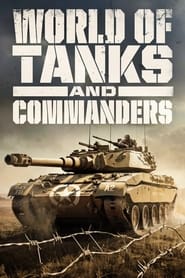
World of Tanks and Commanders
2024
star 4A documentary about the significance of the tank in modern warfare and the commanders who shaped its development.Time Well Spent
2019
Time Well Spent
2019
Four young surfers who have endured poverty, abandonment, abuse, and death find refuge in the ocean on a journey to not let their pasts define who they will become.Flying for the Flag
2023
Flying for the Flag
2023
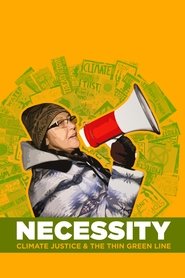
star 6Hopping in the cockpit with The Bandit Flight Team, America's most active formation fliers.Necessity: Climate Justice & The Thin Green Line
2022
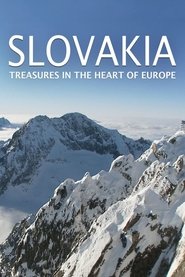
Set along the rivers of Oregon and the Columbia Gorge. We meet Lauren Regan, a criminal defense attorney using this same strategy to defend her clients, including social worker and Umatilla tribal elder, Cathy Sampson-Kruse, arrested for blocking a megaload carrying toxic materials.SLOVAKIA: Treasures in the Heart of Europe
2015
star 5A country of lush forests and mountains surrounded by blissful countryside, Slovakia is a land rich with historical and cultural treasures. Travel to the center of Europe and explore castles, mountains and unknown treasures in one of Europe's most overlooked travel gems. With host Pat Uskert and Slovak guide Mila Kissova.Born Too White
2017
Born Too White
2017
Oscar Duke, an NHS doctor with albinism heads to Tanzania and Malawi to discover what life is like for other people with the same genetic condition. Whilst in East Africa, Oscar explores the reasons why albino people are vulnerable to attack in these countries as well as interview some of the people who hold prejudiced views towards albinism.Giant Grizzlies
2008
Giant Grizzlies
2008
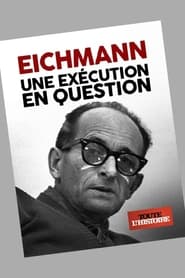
Join an award-winning wildlife cinematographer and a native Alaskan on a dangerous expedition through the Last Frontier’s grizzly territories.About Executing Eichmann
2015
star 7On 15 December 1961 in Jerusalem, Adolf Eichmann was sentenced to death for crimes against the Jewish people and against humanity. While this judgment was met with consensus on a national level, some spoke out against it. On 29 May 1962, a group of Holocaust survivors and intellectuals, including philosophers Hannah Arendt, Hugo Bergmann, Martin Buber and Gershom Scholem, rejected an epilogue to the trial they believed was inappropriate and sent a petition to President Yitzhak Ben-Zvi to demand Eichmann's death sentence be commuted. By opposing Eichmann's execution, they raised questions about the Holocaust, and also defended the values of Judaism, raising questions about Jewish morality for Israel and the nature of a Jewish State. Historians, philosophers, and Israeli eyewitnesses set out the facts, go over the philosophical arguments, and return to a debate that, while central to that era, remains valid today and deserves to be revisited.