Popular Documentary Movies on Free Services - Page 19
All Services
Free Services
 Netflix
 Amazon Prime Video
 Apple iTunes
 Apple TV Plus
 Disney Plus
 Google Play Movies
 Paramount Plus
 Hulu
Hulu
 HBO Max
 YouTube
 fuboTV
 Peacock
 Peacock Premium
 Amazon Video
 The Roku Channel
 AMC+
AMC on Demand
AMC+
AMC on Demand
 Kocowa
 Hoopla
 The CW
 Vudu
Vudu
 Starz
Starz
 Showtime
 PBS
PBS
 Pantaflix
 FXNow
FXNow
 Tubi TV
 Kanopy
 Comedy Central
 Crunchyroll
 Microsoft Store
 Redbox
 Sun Nxt
 ABC
ABC
 DIRECTV
 Crackle
 Fandor
 Plex
Plex
Netflix
Amazon Prime Video
Apple iTunes
Apple TV Plus
Disney Plus
Google Play Movies
Paramount Plus
Hulu
HBO Max
YouTube
fuboTV
Peacock
Peacock Premium
Amazon Video
The Roku Channel
AMC+
AMC on Demand
Kocowa
Hoopla
The CW
Vudu
Starz
Showtime
PBS
Pantaflix
FXNow
Tubi TV
Kanopy
Comedy Central
Crunchyroll
Microsoft Store
Redbox
Sun Nxt
ABC
DIRECTV
Crackle
Fandor
Plex

Von Werra
2002
Von Werra
2002
star 7.5Documentary about a German Luftwaffe fighter pilot, Franz von Werra, the only German soldier of the Second World War who managed to escape from captivity as a prisoner of war and return to Germany.Diaries, Notes, and Sketches
1968
star 7.4Also known as Walden, Jonas Mekas’s first diary film is a six-reel chronicle of his life in 1960s New York, interweaving moments with family, friends, lovers, and artistic idols. Blending everyday encounters with portraits of the avant-garde art scene, it forms an epic, personal meditation on community, creativity, and the passage of time.We Are X
2016
We Are X
2016
star 7.1As glam rock's most flamboyant survivors, X Japan ignited a musical revolution in Japan during the late '80s with their melodic metal. Twenty years after their tragic dissolution, X Japan’s leader, Yoshiki, battles with physical and spiritual demons alongside prejudices of the West to bring their music to the world.The Beaches of Agnès
2008
The Beaches of Agnès
2008
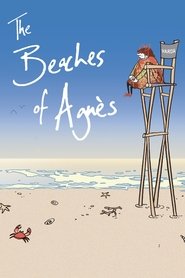
star 7.6Filmmaking icon Agnès Varda, the award-winning director regarded by many as the grandmother of the French new wave, turns the camera on herself with this unique autobiographical documentary. Composed of film excerpts and elaborate dramatic re-creations, Varda's self-portrait recounts the highs and lows of her professional career, the many friendships that affected her life and her longtime marriage to cinematic giant Jacques Demy.Collective
2019
Collective
2019
star 7.6In the aftermath of a tragic fire in a Romanian club, burn victims begin dying in hospitals from wounds that were not life threatening. A team of investigative journalists move into action uncovering the mass corruption of the health system and of the state institutions. Collective follows journalists, whistle blowers, and authorities alike. An immersive and uncompromising look into a dysfunctional system, exposing corruption, propaganda, and manipulation that nowadays affect not only Romania, but societies around the world.COIN
2022
COIN
2022
star 3.8COIN chronicles the rise of a visionary founder in crypto who harnesses the power of this emerging technology to promote a mission of global economic freedom.Tear the Roof Off: The Untold Story of Parliament Funkadelic
2016
star 7.7The untold true story: The rise and fall of the greatest funk band ever, Parliament Funkadelic.Space Dogs
2019
Space Dogs
2019
star 6.9Laika, a stray dog, was the first living being to be sent into space and thus to a certain death. A legend says that she returned to Earth as a ghost and still roams the streets of Moscow alongside her free-drifting descendants. While shooting this film, the directors little by little realised that they knew the street dogs only as part of our human world; they have never looked at humans as a part of the dogs’ world.Somewhere Between
2012
Somewhere Between
2012
star 7.4Questions of race, identity and heritage are explored through the lives of young American women growing up as adoptees from China. These four distinct individuals reflect on their experiences as members of transracial families.Nanook of the North
1922
Nanook of the North
1922
star 7.1This pioneering documentary film depicts the lives of the indigenous Inuit people of Canada's northern Quebec region. Although the production contains some fictional elements, it vividly shows how its resourceful subjects survive in such a harsh climate, revealing how they construct their igloo homes and find food by hunting and fishing. The film also captures the beautiful, if unforgiving, frozen landscape of the Great White North, far removed from conventional civilization.The Flat
2011
The Flat
2011
star 6.5The flat on the third floor of a Bauhaus building in Tel Aviv was where my grandparents lived since they immigrated to Palestine in the 1930s. Were it not for the view from the windows, one might have thought that the flat was in Berlin. When my grandmother passed away at the age of 98 we were called to the flat to clear out what was left. Objects, pictures, letters and documents awaited us, revealing traces of a troubled and unknown past. The film begins with the emptying out of a flat and develops into a riveting adventure, involving unexpected national interests, a friendship that crosses enemy lines, and deeply repressed family emotions. And even reveals some secrets that should have probably remained untold...Red Heaven
2020
Red Heaven
2020
star 8Six people live for a year on “Mars” in a NASA experiment studying what happens to humans when they are isolated from Earth. Shot by the subjects themselves over the course of the mission, Red Heaven vividly captures six people pushed to their limits in an exploration of our most fundamental needs as human beings.Bowling for Columbine
2002
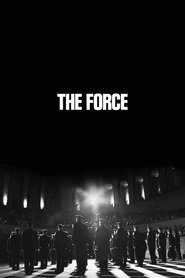
star 7.5This is not a film about gun control. It is a film about the fearful heart and soul of the United States, and the 280 million Americans lucky enough to have the right to a constitutionally protected Uzi. From a look at the Columbine High School security camera tapes to the home of Oscar-winning NRA President Charlton Heston, from a young man who makes homemade napalm with The Anarchist's Cookbook to the murder of a six-year-old girl by another six-year-old. Bowling for Columbine is a journey through the US, through our past, hoping to discover why our pursuit of happiness is so riddled with violence.The Force
2017
The Force
2017
star 6.8The Force presents a cinema vérité look deep inside the long-troubled Oakland Police Department as it struggles to confront federal demands for reform, a popular uprising following events in Ferguson, MO, and an explosive scandal.Scotty and the Secret History of Hollywood
2018
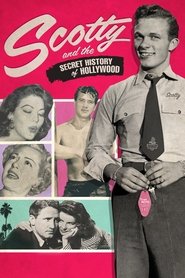
star 5.9A deliciously scandalous portrait of unsung Hollywood legend Scotty Bowers, whose bestselling memoir chronicled his decades spent as sexual procurer to the stars.Gilbert
2017
Gilbert
2017
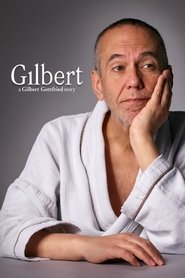
star 6.7The life and career of one of comedy's most inimitable modern voices, Mr. Gilbert Gottfried.Breaking Habits
2019
Breaking Habits
2019
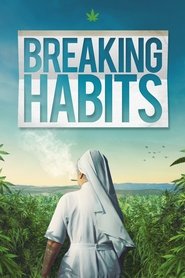
star 7.2A former corporate executive fleeing a bad marriage becomes a cannabis farmer, forms a company called Sisters of the Valley and takes on the persona of a nun, Sister Kate.Glastonbury
2006
Glastonbury
2006
star 5.4Julien Temple's 2006 documentary film about the famous music festival from 1970 to 2005, featuring performances from artists such as David Bowie, Bjork, Blur, Oasis and Coldplay. The film is made up of footage shot by Temple at the festival in 2002, 2003, 2004 and 2005, as well as footage sent in by festival goers after a request on websites and newspapers for footage. Temple had initially only agreed to make a film of the 2002 festival after organiser Michael Eavis expressed concern that that would be the last year of the festival. Temple then realised that he wanted to make a film detailing the full history of the festival. The film also includes footage shot by Channel 4 and the BBC during their coverage of the festival since 1994. Text from Wikipedia.Film Hawk
2016
Film Hawk
2016
star 4.4What do filmmakers as disparate as Kevin Smith, Ed Burns, Rob Epstein, and Barbara Hammer have in common? A secret weapon known as Bob Hawk. As a veteran of the American independent film scene since its inception, the cinephile and consultant has been a regular, cherished presence at film festivals and markets for over three decades. Hawk saw promise in scrappy, independently produced films like Clerks and The Brothers McMullen when no one else even knew to look, and he brought these films to the attention of the Sundance Film Festival, thereby launching multiple careers in the process. An unsung champion of new voices, he has discovered innovative work, nurtured new talents, and brokered relationships with film festivals and critics alike, while staying out of the spotlight—until now. At 75, Bob Hawk looks back on a still-vibrant life in independent film, exploring how the rebellious gay son of a preacher found his calling as a behind-the-scenes film impresario.Sing Your Song
2012
Sing Your Song
2012
star 6.9Most people know the lasting legacy of Harry Belafonte, the entertainer. This film unearths his significant contribution to and his leadership in the civil rights movement in America and to social justice globally.