Popular Documentary Movies on Free Services - Page 328
All Services
Free Services
 Netflix
 Amazon Prime Video
 Apple iTunes
 Apple TV Plus
 Disney Plus
 Google Play Movies
 Paramount Plus
 Hulu
Hulu
 HBO Max
 YouTube
 fuboTV
 Peacock
 Peacock Premium
 Amazon Video
 The Roku Channel
 AMC+
AMC on Demand
AMC+
AMC on Demand
 Kocowa
 Hoopla
 The CW
 Vudu
Vudu
 Starz
Starz
 Showtime
 PBS
PBS
 Pantaflix
 FXNow
FXNow
 Tubi TV
 Kanopy
 Comedy Central
 Crunchyroll
 Microsoft Store
 Redbox
 Sun Nxt
 ABC
ABC
 DIRECTV
 Crackle
 Fandor
 Plex
Plex
Netflix
Amazon Prime Video
Apple iTunes
Apple TV Plus
Disney Plus
Google Play Movies
Paramount Plus
Hulu
HBO Max
YouTube
fuboTV
Peacock
Peacock Premium
Amazon Video
The Roku Channel
AMC+
AMC on Demand
Kocowa
Hoopla
The CW
Vudu
Starz
Showtime
PBS
Pantaflix
FXNow
Tubi TV
Kanopy
Comedy Central
Crunchyroll
Microsoft Store
Redbox
Sun Nxt
ABC
DIRECTV
Crackle
Fandor
Plex

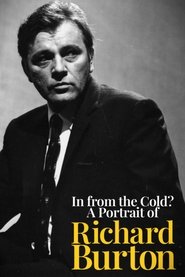
In from the Cold? A Portrait of Richard Burton
1988
star 6Tony Palmer's award-winning feature-length documentary profile of Richard Burton.The Stand Up Doll
2019
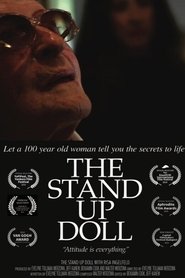
The Stand Up Doll
2019
On the cusp of her 100th birthday, Risa Inglefeld looks back on a life full of hard knocks and shares her secrets to getting up again with joy and humor. A meditation on life, aging, love and the secret to living with joy.You Asked to See the Monster
2019
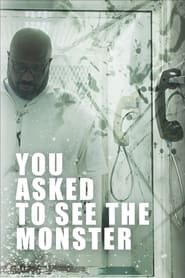
“You Asked To See The Monster…So here is the monster you made me.” Gary Green wrote these words a year after his wife filed for divorce. “There will be 5 lives taken today - me being the 5th.” Green intended to kill his ex-wife and her three children. Green’s haunting letter to ex-wife Lovetta stated “I pray the lord allows my soul to enter heaven. If not, I will burn in Hell forever.” He currently resides on Death Row, after stabbing Lovetta 27 times, before drowning her 6-year old daughter. This is the traumatic and emotional story of the two sons, then aged 9 and 12, who escaped from their stepfather with their lives.To Live & Ride in L.A.
2010
star 6.5For fixed-gear cyclists, Los Angeles is a city that has it all. From the neon glow of Hollywood to the sun-drenched boardwalk of Venice Beach, fixed-gear has evolved into a vibrant street culture that is uniquely L.A. From director David Rowe (Fast Friday) comes a new documentary feature that explores a side of L.A. few outsiders have seen. From races through rush-hour traffic to midnight loft parties, To Live & Ride in L.A. is a fast paced-trip through the busy streets and back-alleys of one of the world's largest cities. To Live & Ride in L.A. features talented local riders tearing up the streets with first-time visitor Keo Curry (Fast Friday, Macaframa) - one of the living legends of the sport. Bike to hidden spots off the map, race a midnight alley-cat, keep pace with the riders from Wolfpack, and hang with the local crews, graffiti artists and other L.A. personalities burning up the fixed-gear scene.I Beat Mike Tyson
2013
I Beat Mike Tyson
2013
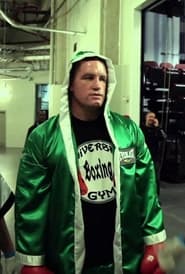
In a working-class suburb of Boston, an out-of-shape boxer prepares himself for what will be his last fight. In 2005 things were different, Kevin McBride then an unknown journeyman beat former boxing world champion, Mike Tyson. Now Kevin struggles with his failing career and being a father.The Oratorio
2020
The Oratorio
2020
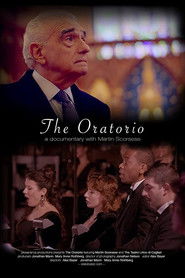
In “The Oratorio,” filmmaker Martin Scorsese helps tell the story of an 1826 performance that forever changed America’s cultural landscape with the introduction of Italian opera to New York City.The Passionate Industry: Australian Cinema 1920-1930
1971
Part 2 of the History of Australian Cinema series. Covering the 1920s and 30s. From an origin that promised so much, the Australian film production industry faced new challenges from abroad which ultimately proved to be more than they could cope with. Unfortunately very few films from then now survive.Hollywood Dreams & Nightmares: The Robert Englund Story
2022
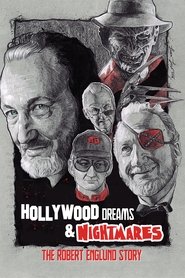
star 6.4Robert Englund has become one of the most revolutionary horror icons of our generation. This intimate portrait captures the man behind the Nightmare On Elm Street franchise and features interviews with Englund, Lin Shaye, Eli Roth, Tony Todd and more.Song of Lahore
2015
Song of Lahore
2015
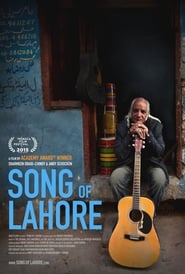
star 6.6Until the late 1970s, the Pakistani city of Lahore was world-renowned for its music. Following the Islamization of Pakistan, many artists struggled to continue their life's work. Song of Lahore turns the spotlight on a group of stalwart musicians that kept playing and ultimately attracted listeners from around the world.We Are Home
2024
We Are Home
2024
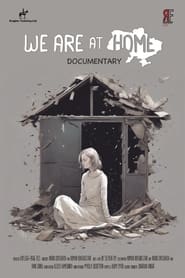
As war ravages their homeland, Ukrainian children flee their homes out of fear. Across the country, young lives are uprooted and transformed overnight. But even amidst devastating loss, the children's resilience and optimism shine through. The original version of the film was 15 minutes long, and it was the one that had the initial festival distribution and screenings. Then, for the release of the film on VOD, the running time was increased to 52 minutes.Set in the West: The Genesis of L.A. Hip Hop
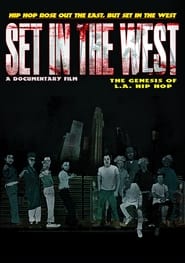
2019
Explores the beginnings of Rap music on the West Coast in the LA area, mostly focusing on Uncle Jamm's Army and Alonzo Williams with the World Class Wreckin' Cru (with footage of Dr. Dre and DJ Yella performing before they created NWA).Arata Isozaki: Early work in Japan
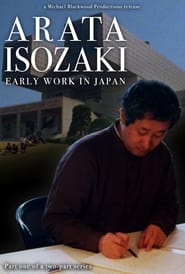
1985
Arata Isozaki: Early Work in Japan takes a detailed look at the architect's pieces, exploring applauded projects such as the EXPO '70 Osaka Festival Plaza, Gunma Prefectural Museum of Modern Art and Kitakyushu Municipal Library. The extraordinary series of architectural breakthroughs made during this time contributed significantly to the evolution of contemporary architecture worldwide, and eventually gained him his first foreign commissionThe Invisible Patients
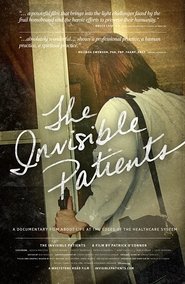
2016
The Invisible Patients tells the story of Jessica Macleod, a nurse practitioner, and four homebound patients she cares for in Evansville, Indiana.End of the World
2015
End of the World
2015
star 5.8The Mayan doomsday prophecy looms over a dark night in Poland. A late-night radio host takes in calls from citizens expressing their concerns, predictions and speculations on what may happen when—or even if—the sun comes up. Simultaneously, a crisis centre dispatcher fields panicked calls from people experiencing real-life traumatic situations in need of immediate attention. The voices of these callers are interwoven with an intimate therapy session and a wandering taxicab to build a profile of a place where citizens want to be heard. Never showing the callers on the other end of the line, the film creates an aural overview of a darkened city. As the night progresses, the calls continue coming in, revealing the various struggles people are experiencing in dealing with conceptual fears and current woes—all in a world that soon may be over.Caine's Arcade
2012
Caine's Arcade
2012
star 4.8Caine Monroy is a 9-year old boy who spent his summer vacation building an elaborate DIY cardboard arcade in his dad’s used auto parts store.You Don't Need Feet to Dance
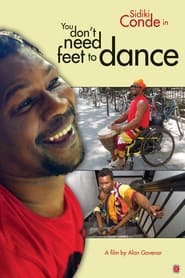
2013
In the film "You Don't Need Feet to Dance," African immigrant Sidiki Conde, having lost the use of his legs to polio at fourteen, balances his career as a performing artist with the almost insurmountable obstacles of life in New York City, from his fifth-floor walk up apartment in the East village, down the stairs with his hands and navigating in his wheelchair through Manhattan onto buses and into the subway. Sidiki struggles to cope with his disability and to earn a decent living, but he still manages to teach workshops for disabled kids, busk on the street, rehearse with his musical group, bicycle with his hands, and prepare for a baby naming ceremony, where he plays djembe drums, sings, and dances on his hands.Mata Hari: The Naked Spy
2017
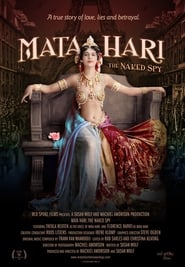
star 6100 years ago Mata Hari faced the firing squad as a convicted Dutch spy. It was at this moment that the legend of Mata Hari, the seductive spy, was born. Newly-discovered documents cast doubt on her guilt and reveal startling truths about her life. Mata Hari was a self-made woman whose boldness and sexuality threatened the male establishment. Most of what we've known about her until now has largely been myth. Mata Hari's challenges as an abused wife, single mother and a creative independent woman are familiar to women around the world. At the turn of the century, her struggles to attain sexual freedom, artistic expression, and liberation from the constraints of conventional society are the same ones women face today. She graced the cover of Vogue, performed all over Europe and left a coterie of smitten admirers in her wake.The Blooms of Banjeli
1986
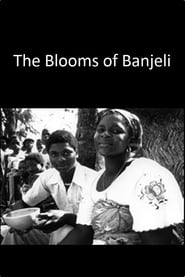
The Blooms of Banjeli documents research in Banjeli, Togo on iron-smelting technology, its rituals, and the sexual prohibitions surrounding it. Including rare historical footage from the same village in 1914, it provides a unique technological record of the traditional method of preparing a furnace to smelt iron. This documentary offers an interesting approach to our understanding of the relationship between conceptions of gender and technology in traditional African society. The people of Banjeli liken the furnace to a woman's body, which is 'impregnated' by the smelter. The process of smelting is compared to that of giving birth, the furnace being the womb and the iron bloom, the newborn.Songs of a Sorrowful Man
2009
Charismatic and unconventional, Dukhushyam is a painter, composer, and singer whose nontraditional methods of reinvigorating the traditional art of scroll painting and story singing has had wide effects on the culture of of West Bengal.Threatened: The Controversial Struggle of the Southern Sea Otter
2013
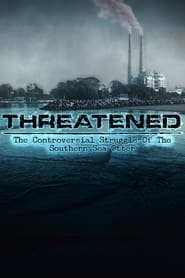
Sea otters are once again in peril after being brought back from the brink of extinction. An unprecedented number of sea otter deaths have occurred along the California coast in the last three years. Meanwhile, the Fish & Wildlife Services decision to eliminate their No Otter Zone from Southern California waters remains controversial. This fragile species threatened by pollution, infectious diseases, starvation, and competition with fishermen struggles for survival.