Popular Documentary Movies on Free Services - Page 350
All Services
Free Services
 Netflix
 Amazon Prime Video
 Apple iTunes
 Apple TV Plus
 Disney Plus
 Google Play Movies
 Paramount Plus
 Hulu
Hulu
 HBO Max
 YouTube
 fuboTV
 Peacock
 Peacock Premium
 Amazon Video
 The Roku Channel
 AMC+
AMC on Demand
AMC+
AMC on Demand
 Kocowa
 Hoopla
 The CW
 Vudu
Vudu
 Starz
Starz
 Showtime
 PBS
PBS
 Pantaflix
 FXNow
FXNow
 Tubi TV
 Kanopy
 Comedy Central
 Crunchyroll
 Microsoft Store
 Redbox
 Sun Nxt
 ABC
ABC
 DIRECTV
 Crackle
 Fandor
 Plex
Plex
Netflix
Amazon Prime Video
Apple iTunes
Apple TV Plus
Disney Plus
Google Play Movies
Paramount Plus
Hulu
HBO Max
YouTube
fuboTV
Peacock
Peacock Premium
Amazon Video
The Roku Channel
AMC+
AMC on Demand
Kocowa
Hoopla
The CW
Vudu
Starz
Showtime
PBS
Pantaflix
FXNow
Tubi TV
Kanopy
Comedy Central
Crunchyroll
Microsoft Store
Redbox
Sun Nxt
ABC
DIRECTV
Crackle
Fandor
Plex

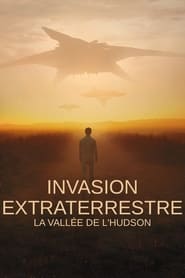
Alien Invasion: Hudson Valley
2021
star 6.5NEW YORK (July 14, 2021) – Now that the U.S. government can no longer deny the existence of UFOs, eyewitnesses feel emboldened to share their stories and there’s a renewed hope that we may learn the truth about whether we have been visited by extraterrestrialsJaguar: Going Electric
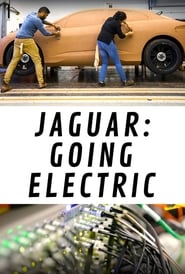
2018
The remarkable story of how luxury car maker Jaguar made its first electric car. With exclusive, behind-the-scenes access to Jaguar's state-of-the-art engineering laboratories and top-secret design studios, Going Electric shows what it takes to make a sophisticated new car and provides an intriguing, inside view of one of the world's most iconic companies as it grapples with the future. It reveals a world where technical excellence meets exquisite craftsmanship – where testing is taken to the extremes and the car pushed to the limit. Going Electric was directed by award-winning filmmaker Ben Lawrie and narrated by Hollywood actor Mark Strong.73 Cows
2018
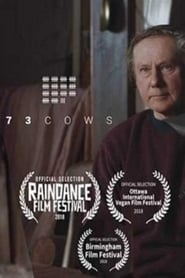
73 Cows
2018
star 9A beef farmer struggles with his conscience every time he takes his cows to slaughter, and so sets about doing something extraordinary.Sharkwater
2006
Sharkwater
2006
star 7.5Driven by passion fed from a life-long fascination with sharks, Rob Stewart debunks historical stereotypes and media depictions of sharks as bloodthirsty, man-eating monsters and reveals the reality of sharks as pillars in the evolution of the seas.A Short Documentary About People Fighting
2019
Strangers, friends, lovers, and coworkers pair up to fist fight on camera. Consensual violence is, bizarrely, quite intimate. There was only one hospital visit while making this film.Smash and Grab: The Story of the Pink Panthers
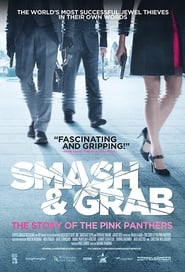
2013
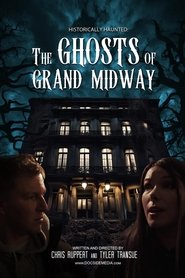
star 5.6The Pink Panthers have stolen over £270m in diamonds in more than 241 robberies in cities from Paris to Tokyo. The film explores the rise of the group during the 1990s Balkan conflict when economic sanctions imposed on Serbia fueled illegal activities. The criminals reveal an underworld driven by fast wealth and paranoia, while the detectives and inspectors, who are working with Interpol, are on a mission to stop their crime spree with growing success.Historically Haunted: The Ghosts of Grand Midway
2024
Popular paranormal investigators, Beckie-Ann Galentine and Josh Rawson, explore the historically haunted Grand Midway Hotel and are shaken to their cores by what they encounter.On a Knife Edge
2017
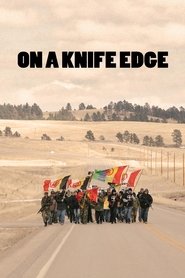
On a Knife Edge
2017
On a Knife Edge is a father-son story about Guy and George Dull Knife that unfolds over the course of George’s coming-of-age journey. Under his father’s guidance, George becomes an activist and organizer, and begins identifying with the role of traditional Lakota warrior, which he views as his family legacy. He commits himself to the fight for social justice, but struggles with adapting the old ways and his father’s expectations to the modern-day realities of growing up on the Pine Ridge Reservation. Told largely through George’s eyes, the film offers a privileged glimpse into the youngest generation of the American Indian Movement, as well as George’s own evolving notions of Native identity, manhood, and duty. His story is interwoven with animated sequences that depict five generations of family history, narrated by his father and based on paintings he has created to explore the continuum of their fight through the generations.Speaking Freely Volume 4: Chalmers Johnson
2008
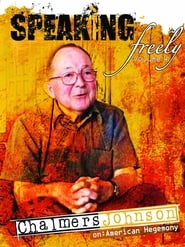
Author of Blowback, The Sorrows of Empire, and Nemesis: The Last Days of the American Republic, Chalmers Johnson has literally written the book on the concept of American hegemony. A former naval officer and consultant to the C.I.A., he now serves as professor emeritus of UC San Diego. As co-founder and president of the Japan Policy Research Institute, Mr. Johnson also continues to promote public education about Asia's role in the international community. In this exclusive interview, you will find out why the practice of empire building is, by no means, a thing of the past. As the United States continues to expand its military force around the globe, the consequences are being suffered by each and every one of us.La Buena Vida - The Good Life
2015
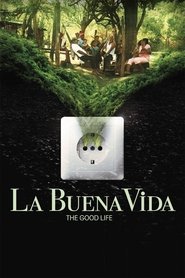
star 7.2The village of Tamaquito lies deep in the forests of Colombia. Here, nature provides the people with everything they need. But the Wayúu community's way of life is being destroyed by the vast and rapidly growing El Cerrejón coal mine. Determined to save his community from forced resettlement, the leader Jairo Fuentes negotiates with the mine's operators, which soon becomes a fight to survive.The Fourth World War
2003
The Fourth World War
2003
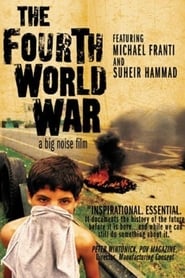
star 5.5From the front-lines of conflicts in Mexico, Argentina, South Africa, Palestine, Korea, 'the North' from Seattle to Genova, and the 'War on Terror' in New York, Afghanistan, and Iraq. It is the story of men and women around the world who resist being annihilated in this war. While our airwaves are crowded with talk of a new world war, narrated by generals and filmed from the noses of bombs, the human story of this global conflict remains untold. "The Fourth World War" brings together the images and voices of the war on the ground. It is a story of a war without end and of those who resist. The product of over two years of filming on the inside of movements on five continents, "The Fourth World War" is a film that would have been unimaginable at any other moment in history. Directed by the makers of "This Is What Democracy Looks Like" and "Zapatista", produced through a global network of independent media and activist groups, it is a truly global film from our global movement.Born to Be Wild
2011
Born to Be Wild
2011
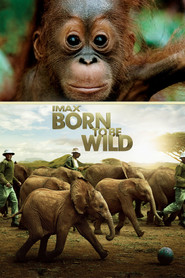
star 7Born to Be Wild observes various orphaned jungle animals and their day-to-day behavioural interactions with the individuals who rescue them and raise them to adulthood. The film unfurls in two separate geographic spheres. Half of it takes place in the rain forests of Borneo, where celebrated primatologist Dr. Birute Galdikas assists baby orangutans; the other half takes place on the arid savannahs of Kenya, where zoologist Dame Daphne Sheldrick works with baby elephant calves.A Son of Africa: The Autobiography of a Slave
1996
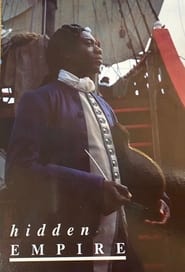
A documentary following the life of Olaudah Equiano, based on his autobiography "The Interesting Narration of the Life of Olaudah Equiano, or Gustavus Vassa the African".To My Great Chagrin: The Unbelievable Story of Brother Theodore
2007
star 4He is considered to be one of the most significant links in the history of comedy, admired by such people as Eric Bogosian and Woody Allen. His television appearances have spanned from Merv Griffin to Dick Cavett to David Letterman. His long-running Off-Broadway show was hailed as "diabolical genius". He is Brother Theodore. A former millionaire playboy in the late1930's of Germany, Theodore endured the sobering loss of his entire family, his fortune, and his own identity, as a survivor of Dachau concentration camp. Shipped to America humiliated and stunned, Theodore yearned to reclaim his high-status and wealth. Continually haunted by his loss, and hindered as a displaced foreigner, he tapped "the power of despair" to re-invent himself, capitalizing on his dark, existential humor - to become one of America's most respected humorists and monologists.12 Months
2014
12 Months
2014
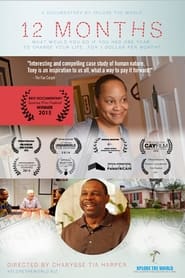
star 10"12 Months" (2014) - an award-winning documentary about a Los Angeles man who rents his three-bedroom home for $1 per month to help a family - he has never met - get on their feet. Told through the eyes of Felicia Dukes and her four children, the project puts a personal face on homelessness and encourages individuals to take personal responsibility for helping address societal concerns. This film has won Best Documentary at the Sunrise Film Festival in Nova Scotia, Canada, in October 2015, as well as has been screened within film festival in seven countries and 15 locations!Keep On Keepin' On
2014
Keep On Keepin' On
2014
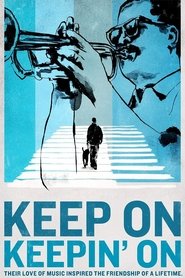
star 7.1Eighty-nine year old trumpeting legend Clark Terry has mentored jazz wonders like Miles Davis and Quincy Jones, but Terry’s most unlikely friendship is with Justin Kauflin, a 23-year-old blind piano player with uncanny talent, but debilitating nerves. As Justin prepares for the most pivotal moment in his budding career, Terry’s ailing health threatens to end his own.Alien Reptilian Legacy
2015
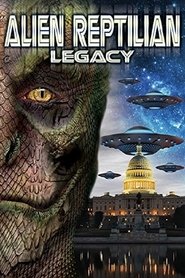
star 4Researchers reveal the presence of a supreme interdimensional intelligence that has been manipulating mankind for centuries. Interviews with experiencers and alien abductees expose a sinister agenda behind the alien presence on Earth.My Name Is Salt
2013
My Name Is Salt
2013
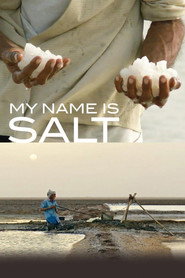
star 6.9Year after year, just after the monsoon season has finished, thousands of families travel to a bleak desert in Gujerat, India, where they will stay for an endless eight months and extract salt from the earth, using the same painstaking, manual techniques as generations before them. Director Farida Pacha spent a season with one of these families, observing the very particular rhythms of their lives.Black Wax
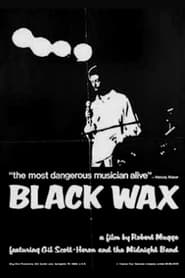
1983
Black Wax
1983
Gil Scott-Heron, one of rap's earliest (and unfortunately unknown) pioneers, gets his full due in Black Wax, the 1982 documentary recently reissued on video. Interspliced between performance footage of Scott-Heron and his Midnight Band are vignettes of him walking around Washington D.C., spouting his views on then-President Reagan (dubbed "Ray-Gun") and generally dropping knowledge. The live performance features many of Scott-Heron's best-known hits, including "Johannesburg," "Winter in America," and "Angel Dust," among others. Warm, intelligent, and insightful throughout, Scott-Heron is clearly enjoying himself and the opportunity to espouse his views. A must for any fan of Scott-Heron's, and definitely worth a look for fans of the funkier jazz music of the mid to late 1970's.