Popular Documentary Movies on Free Services - Page 396
All Services
Free Services
 Netflix
 Amazon Prime Video
 Apple iTunes
 Apple TV Plus
 Disney Plus
 Google Play Movies
 Paramount Plus
 Hulu
Hulu
 HBO Max
 YouTube
 fuboTV
 Peacock
 Peacock Premium
 Amazon Video
 The Roku Channel
 AMC+
AMC on Demand
AMC+
AMC on Demand
 Kocowa
 Hoopla
 The CW
 Vudu
Vudu
 Starz
Starz
 Showtime
 PBS
PBS
 Pantaflix
 FXNow
FXNow
 Tubi TV
 Kanopy
 Comedy Central
 Crunchyroll
 Microsoft Store
 Redbox
 Sun Nxt
 ABC
ABC
 DIRECTV
 Crackle
 Fandor
 Plex
Plex
Netflix
Amazon Prime Video
Apple iTunes
Apple TV Plus
Disney Plus
Google Play Movies
Paramount Plus
Hulu
HBO Max
YouTube
fuboTV
Peacock
Peacock Premium
Amazon Video
The Roku Channel
AMC+
AMC on Demand
Kocowa
Hoopla
The CW
Vudu
Starz
Showtime
PBS
Pantaflix
FXNow
Tubi TV
Kanopy
Comedy Central
Crunchyroll
Microsoft Store
Redbox
Sun Nxt
ABC
DIRECTV
Crackle
Fandor
Plex

Mariah Carey: Grit and Glamour
2023
A Cinderella story of sorts, Mariah Carey. Songbird Supreme. Queen of Christmas. Dedicated philanthropist. Mariah has sold over 220 million records and released the best-selling Christmas album ever.Dream House by the Border
2013
The director, who herself comes from a family near the Demilitarized Zone (DMZ) between North and South, explores an issue largely forgotten between the Korean War and current tensions: In the 1960s, North Korean refugees were settled here in houses provided by the Park Chung-hee dictatorship for propaganda purposes. For decades now, they have lived along the line of confrontation. The most personal border zone runs through their houses, where individual history and collective memory meet.I, Douglas Fairbanks
2018
I, Douglas Fairbanks
2018
star 8.5The dashing and dazzling Douglas Fairbanks was the movie star who "swashbuckled in Zorro, dueled exuberantly in Robin Hood and soared magnificently in The Thief of Bagdad"-- He was the "First King of Hollywood".Dogman Tales
2022
Dogman Tales
2022
What is Dogman? How is it related to Sasquatch? In this compelling documentary several researchers and experts discuss the Cryptid Dogman.Twilight in Volterra
2013
Twilight in Volterra
2013
From the producers of Twilight in Forks comes Twilight in Volterra - the definitive movie about Volterra, Italy, the town made famous by the Twilight books and movies. Since the Twilight movies weren't filmed in the real Volterra, this is your opportunity to see the town that Stephenie Meyer handpicked as the setting for the vampire dynasty in her epic saga. Are there truly vampires there? Hear from the real people living their lives in the town describe the medieval history and dark past that eerily match events from the books and movies. Drive into town just as Bella and Alice did on their frantic journey to save Edward, see the Volturi palace, and escape their clutches as you exit through the giant stone gate in the ancient city wall. Filmed in full HD by award-winning Director Jason Brown, this movie is a must-have for Twilight fans who want to know the true story of Volterra, and the untold tales of its unique history, mysticism and culture.Nani Ma
2022
Nani Ma
2022
star 10Musamoni Panigrahi (1920s–2017), fondly called “Nani Ma” by her neighbours, appears in the centre of this first film in the Baleswari dialect of India's Odia language. The story revolves around folklore and folk songs narrated by Nani Ma. Born in the 1920s in pre-independent rural India in a coastal village in the Balasore district of Odisha, she never got to go beyond the first few days of school. The film is an alternate history of a society broken through colonization, Brahminical patriarchy and a post-famine (Orissa famine of 1866, killing nearly 5 million people, one-third of the population), and the dominance of formal writing over spoken tongues. Three academics -- Damayanti Beshra, PhD (recipient of India’s fourth civilian award, “Padma Shri”), Panchanan Mohanty, PhD (noted linguist), and Laxmikanta Tripathy, PhD, DLitt (anthropologist and author) -- also appear in the film to provide contextual commentary on patriarchy, oral history and the sociolinguistic diversity.Judith Butler: Philosophical Encounters of the Third Kind
2006
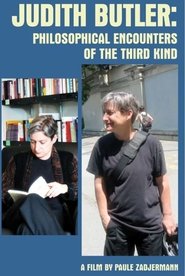
Does gender = sexuality? How does the family define gender roles? What are the dangers when society coerces gender norms? What deep-seated social fears are unleashed by those who flout those prescribed roles? What is New Gender Politics? These are just a few of the topical issues explored in the film. In addition, Butler covers a wide range of subjects, broaching not only controversial gender issues-including transsexuality and intersexuality-but also 20th century Jewish philosophy, AIDS activism, criticism of state power and violence, gay marriage, and anti-Zionism.Beautiful Losers
2008
Beautiful Losers
2008
star 6.4This documentary follows the lives and careers of a collective group of do-it-yourself artists and designers who inadvertently affected the art world.The Curse of Abundance
2019
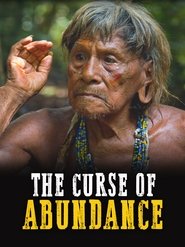
star 7The Yasuni Park in Ecuador is a haven of biodiversity and home to indigenous tribes. It also holds a third of the country's oil reserves. Ecuador had agreed to keep the oil in the ground. But as powerful new interest groups emerge, the future of the Park, and the people who have called it home for thousands of years, come into question.Coming of Age in Cherry Grove: The Invasion
2014
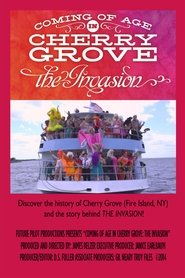
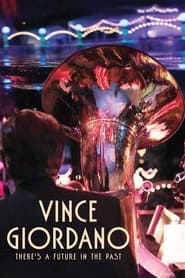
star 1Cherry Grove (Fire Island, NY) is the first openly LGBTQ community in the United States. One of the most accepting resort communities in the world, it is a place where everyone can discover who they really and enjoy being a free spirit.Vince Giordano: There's a Future in the Past
2017
Bandleader Vince Giordano keeps the Jazz Age alive with his 11-member band The Nighthawks, vintage musical instruments, and a collection of more than 60,000 original arrangements from the 1920s and '30s.Baratometrajes 2.0: Spaniard-low-budget-films with High Ambitions
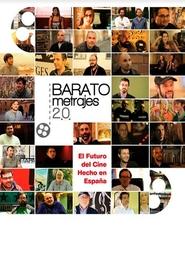
2014
star 5.3Baratometrajes 2.0 is a feature length documentary on low-budget films made in Spain and dives deep and directly in the guts of most independent films, their characteristics and their reasons for being. More than forty interviews with directors, producers, journalists, cultural managers and distributors are shaping a broad mosaic of opinions and adventures of different creators to get their films and turn them into a reality, allowing the cameras to talk through their methodology work and the secrets that lie behind the making of these productions. Movies like "El mundo es nuestro," "Mi Loco Erasmus" or "The Cosmonaut" are part of the object of study of this essential documentary that brings us to the reality of New Spanish Cinema Lowcost.Lady, You Shot Me: The Life and Death of Sam Cooke
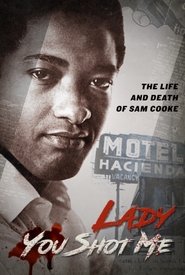
2014
star 5.5Sam Cooke died at the age of 33 on December 11, 1964, at the Hacienda Motel, at 9137 South Figueroa Street, in Los Angeles, California. Answering separate reports of a shooting and of a kidnapping at the motel, police found Cooke's body, clad only in a sports jacket and shoes but no shirt, pants or underwear. He had sustained a gunshot wound to the chest, which was later determined to have pierced his heart. The motel's manager, Bertha Franklin, said she had shot Cooke in self-defense after he broke into her office residence and attacked her. Her account was immediately questioned and disputed by acquaintances.Unconquered: Allan Houser and the Legacy of One Apache Family
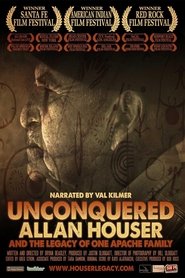
2008
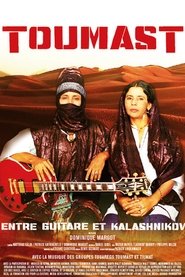
In decades past, Native American artists who wanted to sell to mainstream collectors had little choice but to create predictable, Hollywood-style western scenes. Then came a generation of painters and sculptors led by Allan Houser (or Haozous), a Chiricahua Apache artist with no interest in stereotyped imagery and a belief that his own rich heritage was compatible with modernist ideas and techniques. Narrated by actor Val Kilmer and originally commissioned as part of an exhibit of Houser’s work at the Oklahoma History Center, this program depicts the artist’s tribal ancestry, his rise to regional and national acclaim, and the continuing success of his sons as they expand upon and depart from their father’s achievements. Key works are documented, as is Houser’s tenure at the Santa Fe–based Institute of American Indian Arts.Toumast - Entre Guitare et Kalashnikov
2010
In 1996, Kalashnikovs were publicly burnt in Timbuktu. At the time, the "Flame of Peace" symbolized the end of the Touareg rebellion, which had been suppressed in bloody massacres. That year, the rebels laid down their arms. That year, with the government having made promises, the families who had fled abroad left Mauritania, Algeria and Burkina Faso to return home. In the fight for rights and survival waged by this people, who for centuries had found their freedom in one of the world's most inhospitable regions, the Sahara, culture and arms have been in direct competition ever since.Mossville: When Great Trees Fall
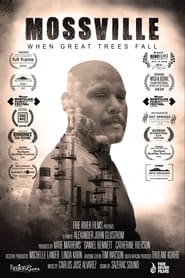
2019
star 5As a centuries-old black community, contaminated and uprooted by petrochemical plants, comes to terms with the loss of its ancestral home, one man standing in the way of a plant's expansion refuses to give up.Made in Japan
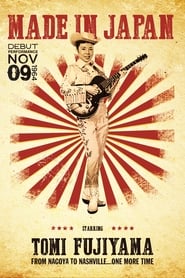
2015
Made in Japan
2015
star 5Made in Japan is the remarkable story of Tomi Fujiyama, the first female Japanese country music star. From playing the USO circuit throughout Asia to headlining in Las Vegas and recording 7 albums for Columbia records, Tomi’s career culminates in a 1964 performance at The Grand Ole Opry where she followed Johnny Cash and received the only standing ovation of the night. Forty years later, Tomi and her husband set out on a journey through Japan and across the United States to fulfill a dream of performing at The Opry one more time. Made in Japan is a funny yet poignant multi-cultural journey through music, marriage, and the impact of the corporate world on the dreams of one woman.Long Haulers
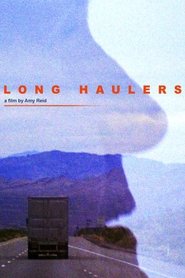
2020
Long Haulers
2020
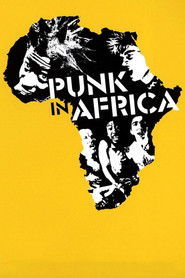
Through experimentation, direct observational filmmaking, and performative play, filmmaker Amy Reid rides and films with women truckers who have fled domestic violence, the stigmas of being formerly incarcerated, and mental health issues. The three subjects -- Sandi, Lori, and Tracy -- each share how they started trucking and what keeps them trucking.Punk in Africa
2012
Punk in Africa
2012
star 7.2Three chords, three countries, one revolution...PUNK IN AFRICA is the story of the multiracial punk movement within the recent political and social upheavals experienced in three Southern African countries: South Africa, Mozambique and Zimbabwe.Air Jaws: The Hunted
2018
Air Jaws: The Hunted
2018
In 2017, five great whites washed up dead on the beaches in South Africa. Shark Expert Alison Towner believes they were eaten alive. She teams up with Chris Fallows and Andy Casagrande to find out who killed them and how to save the species in the future.