Popular History Movies on Free Services - Page 79
All Services
Free Services
 Netflix
 Amazon Prime Video
 Apple iTunes
 Apple TV Plus
 Disney Plus
 Google Play Movies
 Paramount Plus
 Hulu
Hulu
 HBO Max
 YouTube
 fuboTV
 Peacock
 Peacock Premium
 Amazon Video
 The Roku Channel
 AMC+
AMC on Demand
AMC+
AMC on Demand
 Kocowa
 Hoopla
 The CW
 Vudu
Vudu
 Starz
Starz
 Showtime
 PBS
PBS
 Pantaflix
 FXNow
FXNow
 Tubi TV
 Kanopy
 Comedy Central
 Crunchyroll
 Microsoft Store
 Redbox
 Sun Nxt
 ABC
ABC
 DIRECTV
 Crackle
 Fandor
 Plex
Plex
Netflix
Amazon Prime Video
Apple iTunes
Apple TV Plus
Disney Plus
Google Play Movies
Paramount Plus
Hulu
HBO Max
YouTube
fuboTV
Peacock
Peacock Premium
Amazon Video
The Roku Channel
AMC+
AMC on Demand
Kocowa
Hoopla
The CW
Vudu
Starz
Showtime
PBS
Pantaflix
FXNow
Tubi TV
Kanopy
Comedy Central
Crunchyroll
Microsoft Store
Redbox
Sun Nxt
ABC
DIRECTV
Crackle
Fandor
Plex

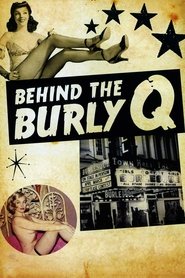
Behind the Burly Q
2010
Behind the Burly Q
2010
star 4.9Dive into more than a century of decadence with this tantalizing look at the evolution of burlesque. Cabaret star Leslie Zemeckis traces the art form from vaudeville-style variety show through its extinction and contemporary rebirth. Vintage photos, film clips and ads illustrate burlesque's resilient history and how the public's sexual appetite kept it alive amid moral and legal ado.A War Over Reality
2018
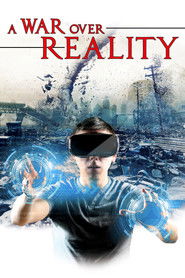
A War Over Reality
2018
star 6We will soon be facing the greatest threat ever known as we are feeding and nurturing the monster of our own destruction. Welcome to your future.Flood in the Desert
2022
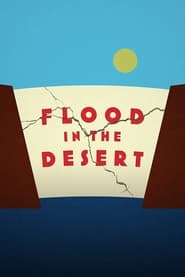
Flood in the Desert
2022
star 10Explore the 1928 collapse of the St. Francis Dam, the second deadliest disaster in California history. A colossal engineering and human failure, the dam was built by William Mulholland, a self-taught engineer who ensured the growth of Los Angeles by bringing the city water via aqueduct. The catastrophe killed more than 400 people and destroyed millions of dollars of property.Leonardo Da Vinci: The Universal Man
2019
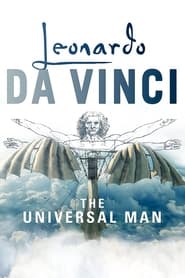
star 7.9How only one man all at the same time painted the Mona Lisa, conceived ball bearing and gave the first clinical description of atherosclerosis? On the occasion of the 500th anniversary of his death, this documentary will answer these questions and much more, gathering clues thanks to research on the field and encounters with the most outstanding specialists on Leonardo Da Vinci. Travelling through time thanks to an imaginary museum, we will track back the Renaissance genius and give you to see Leonardo’s relentless ingenuity!Fidel Castro: America's Nemesis
2016
Fidel Castro, the former President of Cuba and one of the most controversial figures of the 20th century, passed away in November. He famously claimed that "history will absolve me", but will it? This special film considers Castro and his legacy.Osama Bin Laden: Up Close and Personal
2015
star 5.6Four years after a Navy SEAL team killed Osama Bin Laden in a raid on his compound, his correspondence sheds new light on his mindset and final years.Voevoda
2017
Voevoda
2017
star 7.2At the end of the 18th century in Bulgaria under Ottoman slavery, a young woman leaves home and family to become leader of a guerrilla gang.Henry Ford
2013
Henry Ford
2013
star 8.4HENRY FORD paints a fascinating portrait of a farm boy who rose from obscurity to become the most influential American innovator of the 20th century.Koch
2013
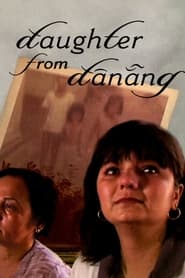
Daughter from Danang
2002
Daughter from Danang
2002
star 6.8In 1975, as the Vietnam War was ending, thousands of orphans and Amerasian children were brought to the United States as part of "Operation Babylift." Daughter from Danang tells the dramatic story of one of these children, Heidi Bub (a.k.a. Mai Thi Hiep), and her Vietnamese mother, Mai Thi Kim, separated at the war's end and reunited 22 years later. Heidi, now living in Tennessee - a married woman with kids - had always dreamt of a joyful reunion. When she ventures to Vietnam to meet her mother, she unknowingly embarks on an emotional pilgrimage that spans decades and distance. Unlike most reunion stories that climax with a cliché happy ending, Daughter from Danang is a real-life drama. Journeying from the Vietnam War to Pulaski, Tennessee and back to Vietnam, Daughter from Danang tensely unfolds as cultural differences and the years of separation take their toll in a riveting film about longing and the personal legacy of war.Là où poussent les coquelicots
2017
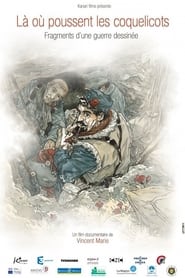
star 7Seeing the Great War, no longer content with simply recounting it, but showing it and embodying it: this is what comics offer today. By questioning archives and history, the comic book authors featured in this film engage in a dialogue with the depths of time. They bring the First World War back to life in our imagination: their drawings are more than just lines.The Day the Sun Fell
2015
The Day the Sun Fell
2015
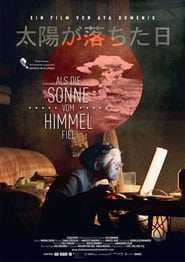
star 7.2Tracing the past of her deceased grandfather who worked as a young doctor in the Red Cross hospital of HirSwiss-Japanese filmmaker Aya Domenig, the granddaughter of a doctor on duty during the 1945 atomic bombing of Hiroshima, approaches the experience of her deceased grandfather by tracing the lives of a doctor and of former nurses who once shared the same experience. While gathering the memories and present views of these last survivors, the nuclear disaster in Fukushima strikes and history seems to repeat itself.oshima after the atomic bomb was dropped over the city, the filmmaker encounters doctors and nurses who went through similar experiences to his at the time. Right up until his death in 1991, her grandfather was never able to speak about his experiences, but the formidable stories and openness of her protagonists bring her closer to his past.Mawson: Life and Death in Antarctica
2008
star 4The Douglas Mawson Antarctic Expedition of 1912 is considered one of the most amazing feats of endurance of all time. Although his two companions perished, Douglas Mawson survived, but how? In a bold historical experiment, scientist and adventurer Tim Jarvis is retracing the gruelling experience, with the same meagre rations, primitive clothing and equipment to uncover what happened to Mawson physically — and mentally — as a man hanging on the precipice of life and death.Queen Elizabeth II: Her Glorious Reign
2022
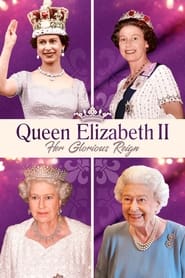
Queen Elizabeth II is the longest-reigning monarch in the history of Great Britain and the Commonwealth. While her service to her country is legendary, she has become a figure of strength, endurance, and dignity the world over and indeed we all feel connected to her. Through triumph, loss, scandal, and celebration, witness the story of how a young Princess became Queen to the people of the world.Journey to 10,000 BC
2009
Journey to 10,000 BC
2009
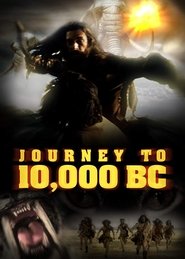
star 4.710,000 B.C. was a time of cataclysmic change on Earth. Extreme climactic fluctuations hurled the planet into a minor ice age; megafauna like the saber-toothed tiger and woolly mammoth were suddenly becoming extinct; and early humans began to inhabit North America. Cold and hungry, their fragile communities undertook perilous hunting expeditions. The slaughter of a single mammoth, weighing nearly ten tons, could be the difference between survival and death. Journey to 10,000 BC. brings this unique and thrilling period to life, and investigates the geologic and climate changes that scientists are just beginning to understand. In a major forensic investigation, History visits early human archaeological sites to uncover fossilized bones, ancient dwellings, and stone weapons, and uses state-of-the-art CGI to recreate the treacherous mammoth hunts and the devastating impact of a comet colliding with Earth.There Is Many Like Us
2015
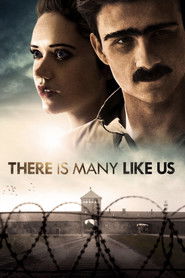
star 4In 1943, Max Fronenberg spent one year digging a secret underground tunnel to escape out of a prison camp in Warsaw, Poland during the Holocaust while saving fifteen other prisoners in the process and forced to leave behind the love of his life, Rena, in the prison.The Mothers of Plaza de Mayo
1985
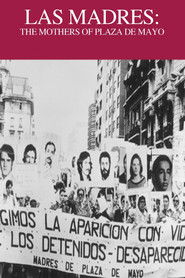
star 6.11985 Argentine documentary film directed by Susana Blaustein Muñoz and Lourdes Portillo about the Mothers of the Plaza de Mayo.Stalin's Last Plot
2011
Stalin's Last Plot
2011
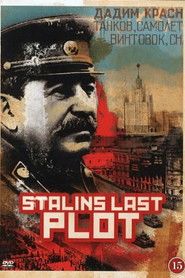
star 8January 1953: On the eve of his death Stalin finds himself yet another imaginary enemy: Jewish doctors. He organizes the most violent anti-Semitic campaign ever launched in the USSR, by fabricating the "Doctors' Plot," whereby doctors are charged with conspiring to murder the highest dignitaries of the Soviet Regime. Still unknown and untold, this conspiracy underlines the climax of a political scheme successfully masterminded by Stalin to turn the Jews into the new enemies of the people. It reveals his extreme paranoia and his compulsion to manipulate those around him. The children and friends of the main victims recount for the first time their experience and their distress related to these nightmarish events.Service to Man
2016
Service to Man
2016
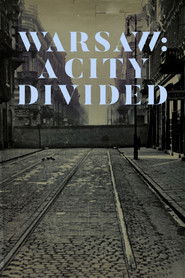
star 8In 1968, a white student from Brooklyn finds himself an outsider at Nashville’s legendary black medical school, where he and his peers attempt to battle the mysteries of medicine, demanding professors, and each other in their quest to become healers in the Service To Man.Warsaw: A City Divided
2019
star 6.8The history of the Warsaw Ghetto (1940-43) as seen from both sides of the wall, its legacy and its memory: new light on a tragic era of division, destruction and mass murder thanks to the testimony of survivors and the discovery of a ten-minute film shot by Polish amateur filmmaker Alfons Ziółkowski in 1941.