Popular History Movies on Free Services - Page 81
All Services
Free Services
 Netflix
 Amazon Prime Video
 Apple iTunes
 Apple TV Plus
 Disney Plus
 Google Play Movies
 Paramount Plus
 Hulu
Hulu
 HBO Max
 YouTube
 fuboTV
 Peacock
 Peacock Premium
 Amazon Video
 The Roku Channel
 AMC+
AMC on Demand
AMC+
AMC on Demand
 Kocowa
 Hoopla
 The CW
 Vudu
Vudu
 Starz
Starz
 Showtime
 PBS
PBS
 Pantaflix
 FXNow
FXNow
 Tubi TV
 Kanopy
 Comedy Central
 Crunchyroll
 Microsoft Store
 Redbox
 Sun Nxt
 ABC
ABC
 DIRECTV
 Crackle
 Fandor
 Plex
Plex
Netflix
Amazon Prime Video
Apple iTunes
Apple TV Plus
Disney Plus
Google Play Movies
Paramount Plus
Hulu
HBO Max
YouTube
fuboTV
Peacock
Peacock Premium
Amazon Video
The Roku Channel
AMC+
AMC on Demand
Kocowa
Hoopla
The CW
Vudu
Starz
Showtime
PBS
Pantaflix
FXNow
Tubi TV
Kanopy
Comedy Central
Crunchyroll
Microsoft Store
Redbox
Sun Nxt
ABC
DIRECTV
Crackle
Fandor
Plex

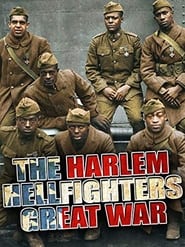
The Harlem Hellfighters' Great War
2017
Nicknamed the "Harlem Hellfighters", these African-Americans wanted to become ordinary citizens like everyone else. They saw fighting heroically in the trenches as their chance to achieve this. In 1918, the 15th New York National Guard Regiment became the most highly decorated unit of the First World War.A Midwife's Tale
1998
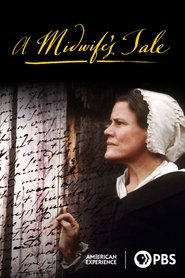
A Midwife's Tale
1998
star 7.8To understand eighteenth-century America through a woman's eyes, historian and author Laurel Thatcher Ulrich spent eight years working through Martha Ballard's massive but cryptic diary. "A Midwife's Tale" chronicles the interwoven stories of two remarkable women: an eighteenth-century midwife and healer and the twentieth-century historian who brought her words to light.Can You Feel the Beat: The Lisa Lisa Story
2025
star 4.415-year-old Puerto Rican Lisa Velez overcomes sexism, racism, and breast cancer to become Latin pop pioneer behind hits like "Can You Feel The Beat," inspiring generations of Latina artists.American Made Movie
2013
American Made Movie
2013
star 6.2American Made Movie looks back on the glory days of U.S. manufacturing when there was a more balanced relationship between the goods produced and consumed, and illustrates how technology and globalization have changed the competitive landscape for companies doing business in America, as well as overseas. By illustrating the successes of companies and entrepreneurs that, of their own accord, have prospered without adopting the practices of their competitors, American Made Movie shows the positive impact these jobs can have on national and local economies in the face of great challenges.The Ambassador to Bern
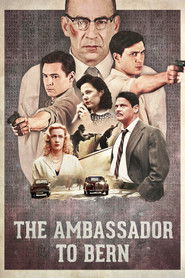
2014
star 6.8A fictional account of the 1958 attack against the Hungarian embassy in Bern. Based on a true story about the aftermath of the 1956 Hungarian revolution.A Century of Black Cinema
2003
This film highlights moments in the long and rich African American cinema history in relation to social and political events, and how it affected Black viewers of the time.Václav Havel - Living in Freedom
2014
Bohemian, playwright, and suddenly president at the end of 1989: Czech European Václav Havel played a decisive role in shaping the history of the continent in the second half of the 20th century. Andrea Sedláčková recounts Havel's almost novel-like life, drawing on a wealth of archival material. It is a story of dramatic highs and lows, and several defining moments in European history.The Huns
2021
The Huns
2021
star 3.8It was a primitive time long ago when the nomadic tribes of the Huns ruled the Great Steppes. After her clan is destroyed, Hora is taken captive but secretly plans to seek her revenge. In this barbaric world of violent warriors and ritualistic shamans, she must devise a plan to survive and seek her retribution. Only the strong will live to tell this tale.Grandmother Told Grandmother
2018
The little-known story of Ukrainian children torn from their homes in the crush between the Nazi and Soviet fronts in World War II. Spending their childhood as refugees in Europe, these inspiring individuals later immigrated to the United States, creating new homes and communities through their grit, faith and deep belief in the importance of preserving culture.One Bright Shining Moment: The Forgotten Summer of George McGovern
2005
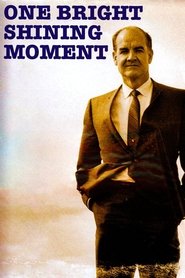
star 6.5ONE BRIGHT SHINING MOMENT retraces George McGovern's bold presidential campaign of 1972 - a grassroots campaign that fought for peace and justice, and positioned ideas and people first. But what is remembered today as being the ultimate political defeat of the American Century may also have been its high watermark. The film poses this central question: what does the crushing electoral defeat of a man so well respected for his decency and intellect say about the electoral process, the American government, and more importantly, what does it say about the forces at work on the American people- then and now? Featuring interviews with the candidate himself, supporters and activists like Gore Vidal, Gloria Steinem, Warren Beatty, Howard Zinn, and music from Bob Dylan, Robbie Robertson, Donovan, and Elvis Costello.The Village Detective: A Song Cycle
2021
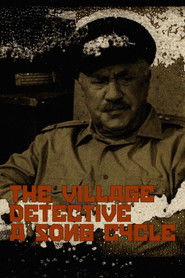
star 4Atlantic Ocean, off the coast of Iceland, July 9, 2016. The surprising discovery of a canister —containing four reels of The Village Detective (Деревенский детектив), a 1969 Soviet film—, caught in the nets of an Icelandic trawler, is the first step in a fascinating journey through the artistic life of film and stage actor Mikhail Ivanovich Zharov (1899-1981), icon and star of an entire era of Russian cinema.Relentless: Struggle for Peace in the Middle East
2003
Relentless: The Struggle for Peace in the Middle East was produced by the pro-Israel media watchdog group HonestReporting [sic]. The concentrates on the causes of the Second Intifada through an examination of compliance the Oslo Accords, by Israel and the Palestinian Authority. It pays particular attention to the failure of the Palestinian Authority to "educate for peace". The documentary shows interviews with Itamar Marcus, director of Palestinian Media Watch, S. El-Herfi, Raanan Gissin, Caroline Glick, John Loftus, Sherri Mandel, Yariv Oppenheim, Daniel Pipes, Tashbih Sayyed and Natan Sharansky.A Tuba To Cuba
2019
A Tuba To Cuba
2019
star 6.6A son seeking to fulfill his late father’s dream takes his band from the storied city of New Orleans to the shores of Cuba, where — through the universal language of music — dark and ancient connections between their peoples reveal the roots of jazz.Woman with an Editing Bench
2016
star 7Inspired by the woman who edited "Man with a Movie Camera" (1929), "Woman with an Editing Bench" reveals the personal impact of Stalin’s censorship of cinema on a woman navigating politics, bureaucracy and the impetuous outbursts of collaborators to create something beautiful despite the odds.The Dragon Kid
1975
The Dragon Kid
1975
A fantastic martial artist and cat burglar puts his skills to use when he joins the Chinese resistance movement against the invading Japanese.Nero's Golden House
2001
Nero's Golden House
2001
San Juan, más allá de las murallas
2022
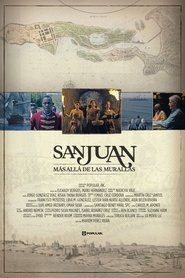
star 6Explore the 500-year history of the city of San Juan, from the move from Caparra to the different invasions during these centuries. It also looks at how different situations and people were key to what is now the capital of Puerto Rico. This documentary presents, through the recreation of key situations, archival material, and accounts of historians and researchers, decisive moments that influenced what is now the capital.The Phantom of Spandau
2019
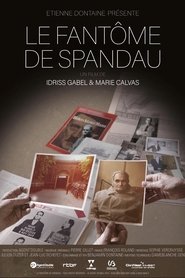
star 6.5Idriss Gabel and Marie Calvas are the grandson and granddaughter of Rudolf Hess's last chaplain in Berlin-Spandau prison. Hess (1894-1987), a fanatical anti-Semite, was Adolf Hitler's deputy in Nazi Germany and personally participated in the formulation of the Nuremberg Race Laws. As a French military chaplain, Charles Gabel was the only person authorized to speak with Hess in private for almost ten years. In this documentary, his grandchildren ask: What kind of relationship did their grandfather have with this member of the Nazi leadership? Hess was sentenced to life imprisonment in 1946 as part of the Nuremberg Trials of major war criminals. He served his sentence throughout the Cold War as the sole inmate of the huge Spandau Prison. In 1987, at the age of 93, he took his own life.Lowndes County and the Road to Black Power
2022
star 1.5Through first person accounts and searing archival footage, this documentary tells the story of the local movement and young Student Nonviolent Coordinating Committee (SNCC) organizers who fought not just for voting rights, but for Black Power in Lowndes County, Alabama.The Dumb Girl of Portici
1916
star 7Fenella, a poor Italian girl, falls in love with a Spanish nobleman, but their affair triggers a revolution and national catastrophe.