Popular Documentary Movies on Hoopla - Page 27
All Services
Free Services
 Netflix
 Amazon Prime Video
 Apple iTunes
 Apple TV Plus
 Disney Plus
 Google Play Movies
 Paramount Plus
 Hulu
Hulu
 HBO Max
 YouTube
 fuboTV
 Peacock
 Peacock Premium
 Amazon Video
 The Roku Channel
 AMC+
AMC on Demand
AMC+
AMC on Demand
 Kocowa
 Hoopla
 The CW
 Vudu
Vudu
 Starz
Starz
 Showtime
 PBS
PBS
 Pantaflix
 FXNow
FXNow
 Tubi TV
 Kanopy
 Comedy Central
 Crunchyroll
 Microsoft Store
 Redbox
 Sun Nxt
 ABC
ABC
 DIRECTV
 Crackle
 Fandor
 Plex
Plex
Netflix
Amazon Prime Video
Apple iTunes
Apple TV Plus
Disney Plus
Google Play Movies
Paramount Plus
Hulu
HBO Max
YouTube
fuboTV
Peacock
Peacock Premium
Amazon Video
The Roku Channel
AMC+
AMC on Demand
Kocowa
Hoopla
The CW
Vudu
Starz
Showtime
PBS
Pantaflix
FXNow
Tubi TV
Kanopy
Comedy Central
Crunchyroll
Microsoft Store
Redbox
Sun Nxt
ABC
DIRECTV
Crackle
Fandor
Plex

Architects of Denial
2017
Architects of Denial
2017
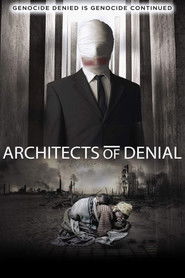
star 6.9Though both the historical and modern-day persecution of Armenians and other Christians is relatively uncovered in the mainstream media and not on the radar of many average Americans, it is a subject that has gotten far more attention in recent years.Led Zeppelin: Dazed & Confused
2009
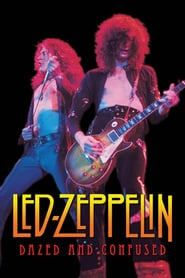
star 6.8A rare look at Led Zeppelin, from their humble beginnings to their status as rock gods. The unique chemistry between singer Robert Plant, guitarist Jimmy Page, bassist John Paul Jones & drummer John Bonham led to tensions within the band, but were essential to their success. Take a journey where incredible heights and extreme lows helped forge one of the greatest rock bands ever.Big Boys Gone Bananas!*
2011
star 6.8The conflict between Dole Food Company and Swedish filmmaker Fredrik Gertten unfolds dramatically in the documentary "BIG BOYS GONE BANANAS!" as the corporation attempts to suppress Gertten's earlier film, "BANANAS!"—chronicling Nicaraguan workers' lawsuit against Dole. Initially selected for the 2009 Los Angeles Film Festival, "BANANAS!" was abruptly removed from competition, followed by a negative article in the Los Angeles Business Journal and legal threats from Dole's attorneys. Gertten captures this saga of corporate intimidation, media manipulation, and legal challenges in his documentary, showcasing the struggles documentary filmmakers face and highlighting the threat to freedom of speech posed by powerful corporations protecting their reputations.God Save My Shoes
2012
God Save My Shoes
2012
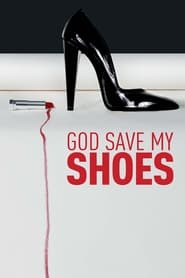
star 6.7God Save My Shoes is the first documentary film to explore the intimate relationship between women and shoes, questioning why shoes are the most addictive item in a woman's closet and how shoes have become a totem object.Fields of Gold
2023
Fields of Gold
2023
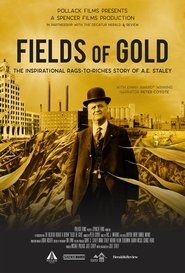
A. E. Staley went from growing up barefoot on a farm in North Carolina, to building a billion dollar agribusiness giant. He was the original owner of the football team that eventually became the Chicago Bears.Paths of the Soul
2015
Paths of the Soul
2015
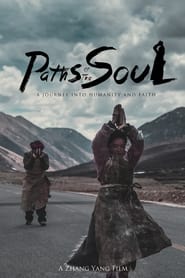
star 6.6Eleven Tibetans prostrate themselves every few steps during a 1,200-mile pilgrimage that lasts for seven months.Tom Petty, Somewhere You Feel Free
2021
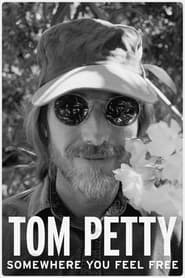
star 6.6Drawn from a newly discovered archive of 16mm film showing Tom Petty at work on his 1994 record Wildflowers, considered by many including Rolling Stone to be his greatest album ever, Somewhere You Feel Free is an intimate view of a musical icon.There Are No Fakes
2019
There Are No Fakes
2019
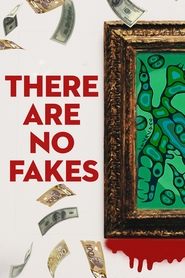
star 7Norval Morrisseau was the first Indigenous Canadian artist to be taken seriously in the art world. By the turn of this century his work commanded tens of thousands of dollars. So when Barenaked Ladies keyboardist Kevin Hearn learned his prized painting was a forgery, he sued. But as Jamie Kastner's doc reveals, there was a cottage industry in fake Morrisseaus, an industry that flourished unchecked for years, feeding on greed, exploitation, racism and contempt.The Somali Project
2013
The Somali Project
2013
The Project profiles the precarious, real-life story of the Puntland Maritime Police Force, a group of Somali pirate hunters. Taking the hijacking of the African waterways and the kidnapping of innocent citizens into their under-trained hands, the PMPF face mutiny, death and a loss of corporate funding in their dangerous quest to free the Middle East shipping industry from terror. The mercenaries’ epic battle makes for an intense, gripping and disarming ride.The Castle Project
2013
The Castle Project
2013
star 4.5As an architect begins renovations to convert an old castle to a hotel, he uncovers more than he was expecting. He and his team of contractors experience hauntings and find what could be a portal to the afterlife.Terror in the Skies
2019
Terror in the Skies
2019
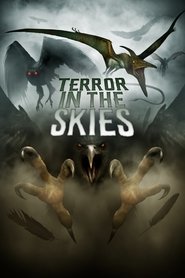
star 6.2A journey to the heartland of the Midwest for an in-depth look at an ongoing phenomenon: one of the most recent and popular stories has been an ongoing wave of sightings of a red-eyed, shapeless creature dubbed the Chicago Mothman.Oliver Sacks: His Own Life
2021
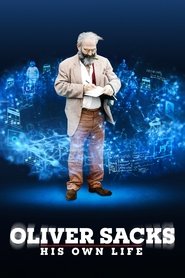
star 7.6Oliver Sacks: His Own Life explores the life and work of the legendary neurologist and storyteller, as he shares intimate details of his battles with drug addiction, homophobia, and a medical establishment that accepted his work only decades after the fact. Sacks was a fearless explorer of unknown mental worlds who helped redefine our understanding of the brain and mind, the diversity of human experience, and our shared humanity.Justin Bieber: Never Say Never
2011
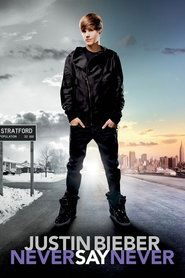
star 5.2Tells the story of Justin Bieber, the kid from Canada with the hair, the smile and the voice: It chronicles his unprecedented rise to fame, all the way from busking in the streets of Stratford, Canada to putting videos on YouTube to selling out Madison Square Garden in New York as the headline act during the My World Tour from 2010. It features Usher, Scooter Braun, Ludacris, Sean Kingston, Antonio "L.A." Reid, Boyz II Men, Miley Cyrus, Jaden Smith, Justin's family members and parts of his crew and huge fanbase in a mix of interviews and guest performances.Okay, Joe! or the Memoirs of Private Guilloux
2023
star 8In autumn 1944, during the Liberation of Brittany, writer Louis Guilloux worked as an interpreter for the American army. He was a privileged witness to some little-known dramatic aspects of the Liberation: the rapes and murders committed by GIs on French civilians. He also discovered the racism of American military justice. This experience haunted the novelist for thirty years. In 1976, he recounted it in a short novel, "Ok, Joe", which went unnoticed. This film compares his account with the memories of the last witnesses to these forgotten crimes and their punishments.The Exiles
2022
The Exiles
2022
star 8Brash and opinionated, Christine Choy is a documentarian, cinematographer, professor, and quintessential New Yorker whose films and teaching have influenced a generation of artists. In 1989 she started to film the leaders of the Tiananmen Square pro-democracy protests who escaped to political exile following the June 4 massacre. Though Choy never finished that project, she now travels with the old footage to Taiwan, Maryland, and Paris in order to share it with the dissidents who have never been able to return home.10 Billion: What's On Your Plate
2015
star 6.7How can we best meet every earth citizens need for healthy food facing our limited resources? Regarding the almost 10 billion humans living on earth by 2050, we have to decide now how we want to shape the future of agriculture.Tennessee Whiskey: The Dean Dillon Story
2017
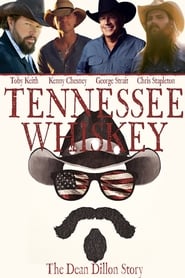
star 9Dean Dillon has written hit songs for George Strait, George Jones, Kenny Chesney, Brooks and Dunn, Toby Keith, LeeAnn Womack, and many more for over 4 decades.Frontline: President Trump
2017
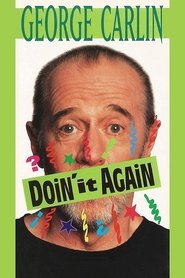
star 7The key moments that helped shape President-elect Donald Trump.George Carlin: Doin' It Again
1990
star 7.6George Carlin brings his comedy back to New Jersey and this time talks about Offensive Language, Euphemisms, They're Only Words, Dogs, Things you never hear, see or wanna hear, Some people are stupid, Cancer, Feminists, Good Ideas, Rape, Life's moments, and organ donors.Rickie Lee Jones: The Other Side of Desire
2015
In this feature length documentary, renowned director Gail Harvey follows Grammy Award Winning and Rolling Stones cover gracing singer-songwriter Rickie Lee Jones as she makes her first studio album in ten years. Jones reflects on aging, being a woman in the music industry and the amazing and complicated life she has lived.