Popular History Movies on Kanopy - Page 34
All Services
Free Services
 Netflix
 Amazon Prime Video
 Apple iTunes
 Apple TV Plus
 Disney Plus
 Google Play Movies
 Paramount Plus
 Hulu
Hulu
 HBO Max
 YouTube
 fuboTV
 Peacock
 Peacock Premium
 Amazon Video
 The Roku Channel
 AMC+
AMC on Demand
AMC+
AMC on Demand
 Kocowa
 Hoopla
 The CW
 Vudu
Vudu
 Starz
Starz
 Showtime
 PBS
PBS
 Pantaflix
 FXNow
FXNow
 Tubi TV
 Kanopy
 Comedy Central
 Crunchyroll
 Microsoft Store
 Redbox
 Sun Nxt
 ABC
ABC
 DIRECTV
 Crackle
 Fandor
 Plex
Plex
Netflix
Amazon Prime Video
Apple iTunes
Apple TV Plus
Disney Plus
Google Play Movies
Paramount Plus
Hulu
HBO Max
YouTube
fuboTV
Peacock
Peacock Premium
Amazon Video
The Roku Channel
AMC+
AMC on Demand
Kocowa
Hoopla
The CW
Vudu
Starz
Showtime
PBS
Pantaflix
FXNow
Tubi TV
Kanopy
Comedy Central
Crunchyroll
Microsoft Store
Redbox
Sun Nxt
ABC
DIRECTV
Crackle
Fandor
Plex

Walkabout to Hollywood
1980
Produced and directed this documentary for BBC in the 1980’s, about David Gulpilil, acclaimed Australian Aboriginal actor, dancer and musician. The film shows how Gulpilil is always working to bridge the gap between the tribal Aboriginal and Western worlds. He divides his time between a traditional tribal lifestyle and his artistic work, which has included major film roles, collaboration with contemporary dance and music groups and teaching Aboriginal dance and culture. Bill and David travel to Hollywood where David was the most popular Australian in the world at that time, with FOUR films playing in America – WALKABOUT, STORM BOY, THE LAST WAVE and MAD DOG MORGAN. After relating to both the black and native American cultures and filming a quick scene for a big Hollywood picture, he pines to head back through the Outback to his beloved Arnhem Land. Edited by Simon Dibbs and shot by Ray Henman.Paul Bowles: The Cage Door Is Always Open
2013
star 5The American composer and author Paul Bowles was a man with a great deal of charisma and influence. When he moved to Tangier, Morocco, in 1949, half the world followed him to the enigmatic city. His marriage with author Jane Bowles was a loving relationship of opposites, even though both were homosexual. Based on exclusive interviews with Bowles shortly before his death interwoven with anecdotes recounted by his friends and co-workers, the film portrays a daring and visionary life as well as a relationship shaped by an interdependency that encompassed much more than sexuality.The Liberators
2016
The Liberators
2016
star 5.6Medieval art treasures seized by the Nazis go missing at the end of World War II. Were they destroyed in the chaos of the final battles? Or were these thousand-year-old masterpieces stolen by advancing American troops? For over forty years, the mystery remained unsolved. A true detective story, "The Liberators" follows a dogged German art detective through the New York art world and military archives to the unlikeliest of destinations: a small town on the Texas prairie. Featuring interviews with Willi Korte (Portrait of Wally) and Texas attorney Dick DeGuerin, the film raises intriguing questions as to the motivations of the art thief and the whereabouts of the items that, to this day,Liberty & Slavery
2016
Liberty & Slavery
2016
star 5America's Founding Fathers were yearning for a nation of individual liberty. But, the origins of America were overflowing with a deep-seated paradox. The Founding Fathers were rallying the colonists to liberty, while many were slave owners.The Chinese Exclusion Act
2017
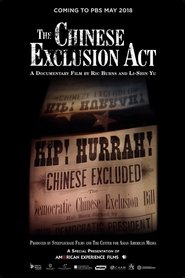
star 8A sweeping chronicle of the entire exclusion era - the latter part of the 1800s, when anti-Chinese agitation led to federal laws targeting Chinese abroad and those already in the country. Go far beyond the legislation with the survival and growth of Chinese American communities in the face of prejudice and outright violence, the “paper” sons and daughters who emigrated despite the seemingly impassable barriers, and the legal challenges that produced some of the most momentous decisions in Supreme Court history.Heritage Minutes: Grey Owl
1999
Englishman Archie Belaney rises to prominence as a notable author and lecturer after he took on the First Nations identity called Grey Owl. Adapted from the film of the same name.The Lovers and the Despot
2016
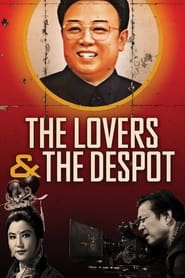
star 6.9Hong Kong, 1978. South Korean actress Choi Eun-hee is kidnapped by North Korean operatives following orders from dictator Kim Jong-il.The Lost Pyramid
2008
The Lost Pyramid
2008
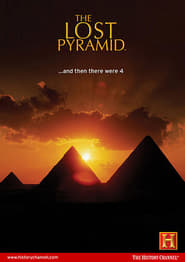
star 6A study of the ruined Egyptian pyramid of the 4th dynasty pharaoh Djedefre, including evidence from a ten-year excavation which supports new theories about his reign and the pyramid's importance.Dreaming Walls
2022
Dreaming Walls
2022
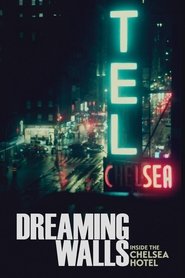
star 5.9The end of an eight-year upmarket renovation of the legendary Chelsea Hotel is partly longed for and partly dreaded by the artists who still live there. The film grants us access to their apartments and interweaves the past with the present.Adventures of a Mathematician
2021
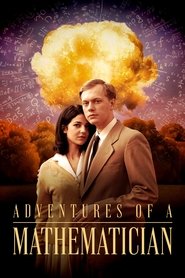
star 6.2The warmhearted story of Polish immigrant and mathematician Stan Ulam, who moved to the U.S. in the 1930s. Stan deals with the difficult losses of family and friends all while helping to create the hydrogen bomb and the first computer.This Is Not a Movie: Robert Fisk and the Politics of Truth
2019
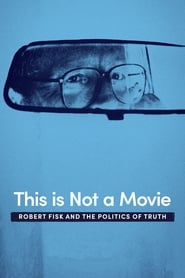
star 7.5For more than forty years, British journalist Robert Fisk has reported on some of the most violent conflicts in the world, from Northern Ireland to the Middle East, always with his feet on the ground and a notebook in hand, travelling into landscapes devastated by war, ferreting out the facts and sending reports to the media he works for with the ambition of catching the interest of an audience of millions.A Midwife's Tale
1998
A Midwife's Tale
1998
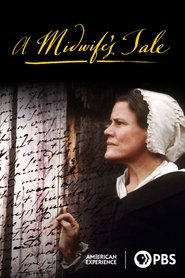
star 7.8To understand eighteenth-century America through a woman's eyes, historian and author Laurel Thatcher Ulrich spent eight years working through Martha Ballard's massive but cryptic diary. "A Midwife's Tale" chronicles the interwoven stories of two remarkable women: an eighteenth-century midwife and healer and the twentieth-century historian who brought her words to light.Diego Rivera: I Paint What I See
1992
star 8The first biographical film on the famed Mexican artist, traces his life from childhood through his Cubist period, his leading role in the Mexican mural renaissance, his fame as a muralist in the USA, and his later years. The film explores Rivera's life and work, including his stormy relationship with Frida Kahlo and the destruction of his famous mural at Rockefeller Center. Shot on location in Mexico and the United States, the film includes a remarkable collection of archival film and photographs, much of which has not been seen before. The text is drawn from the writings of Rivera and Kahlo and from other historical texts. Using Rivera's own words, this richly detailed film brings to life the difficulty he faced in his transition from studio artist to public and political artist, and the conflicts that arose from that point onward.Heroic Times
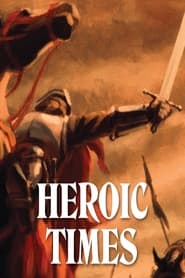
1984
Heroic Times
1984
star 7.2The tragic medieval tale of a man of inhuman strength, fierce temper and a desire for noble knighthood. While on the run as a murderer, he finds new life as a knight, only to face disillusionment, the horrors of war and ugly human vices.1964
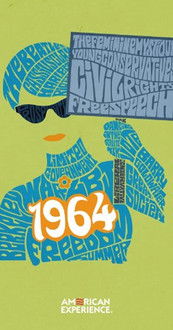
2014
1964
2014
star 6.41964 was the year the Beatles came to America, Cassius Clay became Muhammad Ali, and three civil rights workers were murdered in Mississippi. It was the year when Berkeley students rose up in protest, African Americans fought back against injustice in Harlem, and Barry Goldwater’s conservative revolution took over the Republican Party. In myriad ways, 1964 was the year when Americans faced choices: between the liberalism of Lyndon Johnson or Barry Goldwater’s grassroots conservatism, between support for the civil rights movement or opposition to it, between an embrace of the emerging counterculture or a defense of traditional values.The Road to Mother
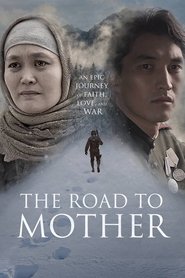
2016
The Road to Mother
2016
star 6.6When the Soviets impose new ways of collective farming and permanent settlements on a region of nomadic dwellers, young Ilyas is separated from his mother, Mariam. Through decades of war, mother and son persevere in their efforts to be reunited.JFK & LBJ: A Time for Greatness
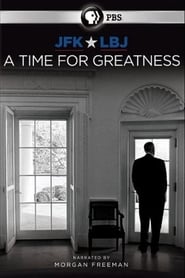
2015
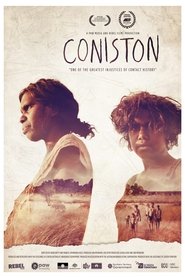
star 6How U.S. President Lyndon B. Johnson used his political prowess to make the Civil Rights Act of 1964 and the Voting Rights Act of 1965 happen. The story is told using rarely-seen footage, interviews and secret White House tapes.Coniston
2012
Coniston
2012
In 1928, following the murder of a white dingo trapper, central Australia would witness the last known massacre of its Indigenous people. With over one hundred killed during a series of punitive expeditions, those who survived fled far and wide from the massacre sites. Denied a voice at the official inquiry and dislocated from their lands, the survivors passed down the story of this bloody episode to their children and grandchildren.Copa 71
2024
Copa 71
2024
star 7.8The extraordinary story of the 1971 Women’s World Cup, which was held in Mexico City and witnessed by more than 100,000 fans. This landmark tournament was dismissed by FIFA and written out of sports history – until now, with dazzling archival footage and interviews with the former players.Last Will. & Testament
2012
star 7It's the greatest mystery of all time; who wrote the works of Shakespeare? DEREK JACOBI leads an impressive cast on a quest to uncover the truth behind the world's most elusive author and discovers a forgotten nobleman whose story could rewrite history.