Popular War Movies on Kanopy - Page 20
All Services
Free Services
 Netflix
 Amazon Prime Video
 Apple iTunes
 Apple TV Plus
 Disney Plus
 Google Play Movies
 Paramount Plus
 Hulu
Hulu
 HBO Max
 YouTube
 fuboTV
 Peacock
 Peacock Premium
 Amazon Video
 The Roku Channel
 AMC+
AMC on Demand
AMC+
AMC on Demand
 Kocowa
 Hoopla
 The CW
 Vudu
Vudu
 Starz
Starz
 Showtime
 PBS
PBS
 Pantaflix
 FXNow
FXNow
 Tubi TV
 Kanopy
 Comedy Central
 Crunchyroll
 Microsoft Store
 Redbox
 Sun Nxt
 ABC
ABC
 DIRECTV
 Crackle
 Fandor
 Plex
Plex
Netflix
Amazon Prime Video
Apple iTunes
Apple TV Plus
Disney Plus
Google Play Movies
Paramount Plus
Hulu
HBO Max
YouTube
fuboTV
Peacock
Peacock Premium
Amazon Video
The Roku Channel
AMC+
AMC on Demand
Kocowa
Hoopla
The CW
Vudu
Starz
Showtime
PBS
Pantaflix
FXNow
Tubi TV
Kanopy
Comedy Central
Crunchyroll
Microsoft Store
Redbox
Sun Nxt
ABC
DIRECTV
Crackle
Fandor
Plex

The Rats of Tobruk
1944
The Rats of Tobruk
1944
star 5.7Three friends enlist in the Australian Army and serve in North Africa, holding the city of Tobruk against Rommel's forces.Krigskorrespondenter
1913
Krigskorrespondenter
1913
Why We Fight: The Battle of Britain
1943
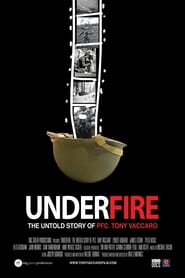
star 6.7The fourth of Frank Capra's Why We Fight series of seven propaganda films, which made the case for fighting and winning the Second World War. It was released in 1943 and concentrated on the German bombardment of the United Kingdom in anticipation of Operation Sea Lion, the planned German invasion.Underfire: The Untold Story of Pfc. Tony Vaccaro
2016
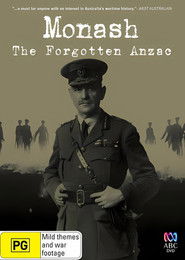
star 7.2The remarkable story of WWII infantryman and photographer Tony Vaccaro, who created one of the most comprehensive, haunting and intimate photographic records of the war using a smuggled $47 camera while developing the negatives in his helmet at night.Monash: The Forgotten Anzac
2008
star 6The story of how Australia's 'ANZAC myth' was born and the role of General John Monash in this process as soldier and statesman both during and after WW1.Leila and the Wolves
1984
Leila and the Wolves
1984
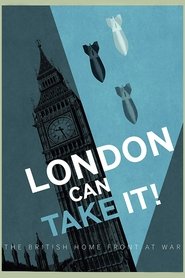
star 6Drawing on the Arab heritage of oral tradition and mosaic pattern, Leila and the Wolves is an exploration of the collective memory of Arab women and their hidden role in history throughout the past half century both in Palestine and in Lebanon.London Can Take It!
1940
London Can Take It!
1940
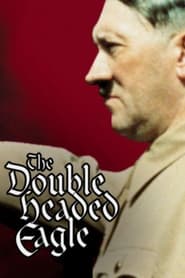
star 6.6A tribute to the courage and resiliency of Britons during the darkest days of the London Blitz.Double Headed Eagle: Hitler's Rise to Power 1918-1933
1973
star 8Presents a unique and disturbing look at the rise of the Nazi party. The documentary, directed by Lutz Becker, attempts to remain as objective as possible, serving as a neutral observer of the years 1918 through 1933 in Germany. Via newsreel footage and clips of features from the era, the film offers a kaleidoscopic view of the many elements that fueled the rise of the Socialist Nationalist Party, including post-WWI poverty. Hitler occupies a central place in the documentary.The Harlem Hellfighters' Great War
2017
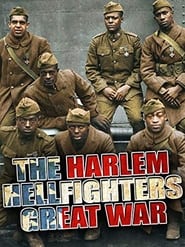
Nicknamed the "Harlem Hellfighters", these African-Americans wanted to become ordinary citizens like everyone else. They saw fighting heroically in the trenches as their chance to achieve this. In 1918, the 15th New York National Guard Regiment became the most highly decorated unit of the First World War.The American War
2018
The American War
2018
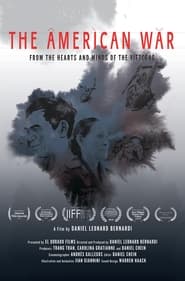
Using obscure archival footage, animated illustrations and interviews, this film tells the story of the Vietnam War from the perspective of five Vietcong veterans: a soldier, an officer, an informant, a guerilla, a My Lai survivor, and the leader of the Long Hair army.The Boat Is Full
1981
The Boat Is Full
1981
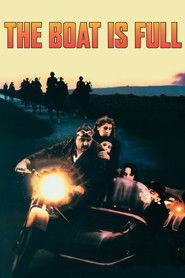
star 6During World War II, Switzerland severely limited refugees: "Our boat is full." A train from Germany halts briefly in an isolated corner of Switzerland. Six people jump off seeking asylum: four Jews, a French child, and a German soldier. They seek temporary refuge with a couple who run a village inn. They pose as a family: the deserter as husband, Judith as his wife, an old man from Vienna as her father, his granddaughter and the French lad, whom they beg to keep silent, as their children. Judith's teenage brother poses as a soldier. The fabrication unravels through chance and the local constable's exact investigation. Whom will the Swiss allow to stay? Who gets deported?Kedma
2002
Kedma
2002
star 4.8In May 1948, shortly before the creation of the State of Israel, hundreds of immigrants from across Europe arrive in Palestine--only to risk arrest by British troops.Above the Best
2019
Above the Best
2019
star 5.7Army Aviators say they fly "above the best" see the lengths these heroes will go to, to protect the soldiers on the ground, and each other during intense combat in the most dangerous places on Earth.Above and Beyond
2015
Above and Beyond
2015
star 7.5In 1948, a group of World War II pilots volunteered to fight for Israel in the War of Independence.Coming Out Under Fire
1994
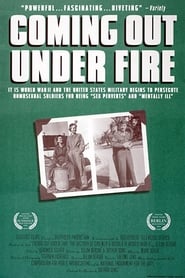
star 3.9A historical account of military policy regarding homosexuality during World War II. The documentary includes interviews with several homosexual WWII veterans.The War to End all Wars... and its American Veterans
2020
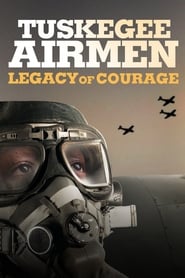
Relying on newly discovered archival footage, memoirs from the fallen, and expert commentary from scholars, this documentary tells the story of World War I from the American perspective: Its ace pilots, mine-laying Sailors, heroic doughboys, Harlem Hell Fighters, and courageous nurses.Tuskegee Airmen: Legacy of Courage
2021
Robin Roberts explores the legacy of the Tuskegee Airmen, the legendary group of African American pilots—including her father—that served in WWII, revealing how these warriors for change helped end segregation in the military and pave the way for the civil rights movement.Black Patriots: Heroes of the Revolution
2020
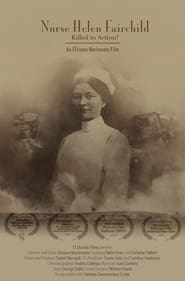
star 8A documentary chronicling the role of Black heroism in America's Revolutionary War.Nurse Helen Fairchild: Killed in Action?
2018
Bravery, compassion and the will to save lives motivated the young Nurse Helen Fairchild to leave home in Pennsylvania and embark on a journey to Europe, where she served as a surgical nurse during World War I before dying on the front lines.Good Times, Wonderful Times
1966
star 4.4Lionel Rogosin's plea for humanity and against war and fascism. For two years, Rogosin traveled to twelve countries to collect footage of war atrocities from their archives. He interspersed these harrowing images with scenes of a London cocktail party's mundane chatter. Good Times, Wonderful Times was released in 1964 at the height of the Vietnam War, and became one of the great anti-war films of the era.