Popular Animation Movies on Pantaflix - Page 472
All Services
Free Services
 Netflix
 Amazon Prime Video
 Apple iTunes
 Apple TV Plus
 Disney Plus
 Google Play Movies
 Paramount Plus
 Hulu
Hulu
 HBO Max
 YouTube
 fuboTV
 Peacock
 Peacock Premium
 Amazon Video
 The Roku Channel
 AMC+
AMC on Demand
AMC+
AMC on Demand
 Kocowa
 Hoopla
 The CW
 Vudu
Vudu
 Starz
Starz
 Showtime
 PBS
PBS
 Pantaflix
 FXNow
FXNow
 Tubi TV
 Kanopy
 Comedy Central
 Crunchyroll
 Microsoft Store
 Redbox
 Sun Nxt
 ABC
ABC
 DIRECTV
 Crackle
 Fandor
 Plex
Plex
Netflix
Amazon Prime Video
Apple iTunes
Apple TV Plus
Disney Plus
Google Play Movies
Paramount Plus
Hulu
HBO Max
YouTube
fuboTV
Peacock
Peacock Premium
Amazon Video
The Roku Channel
AMC+
AMC on Demand
Kocowa
Hoopla
The CW
Vudu
Starz
Showtime
PBS
Pantaflix
FXNow
Tubi TV
Kanopy
Comedy Central
Crunchyroll
Microsoft Store
Redbox
Sun Nxt
ABC
DIRECTV
Crackle
Fandor
Plex

The Orchard
1995
The Orchard
1995
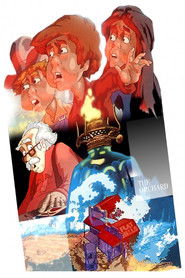
One morning, as kids are stealing apples from an old man’s orchard high above a seaside town, an earthquake hits. No one is hurt, and the townsfolk are non-plussed, but the old man is agitated: he alone is aware of the imminent tsunami and tries to warn the village. Based on a classic Japanese fable, The Orchard was made by one-man band Bob Stenhouse, who had been nominated for an Academy Award the previous decade for pioneer tale The Frog, The Dog and The Devil. Fans of the animator will recognise his lush, luminous hand-drawn style.Fate/stay night: Heaven's Feel II. Lost Butterfly
2019
star 7Shirou has lost his Servant, Saber, and is no longer a Master in the Holy Grail War. Despite this, he refuses to leave the battle, determined to protect Sakura. Meanwhile, a mysterious shadow engulfs the city, killing Masters and Servants one by one. As Shirou faces new dangers, Sakura is drawn deeper into her own destiny as a mage.The Magic Flute
1978
The Magic Flute
1978
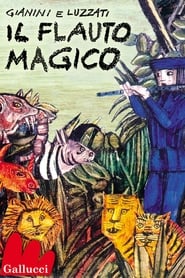
star 6.5Emanuele Luzzati was a talented artist, director and animator. One of his best known short films was 1978’s The Magic Flute set to the music from Mozart’s two-act opera. As a stage director, Luzzati had mounted a lavish 1963 full-scale production of the opera and fell in love with the music and the story. His animated The Magic Flute, made fifteen years later, was met with glowing reviews and multiple awards. He followed the completion of the film with a children’s picture book that succinctly retells the story. (by Joseph Crisalli)Camptown Races
1948
Camptown Races
1948
star 4.2Join the Minstrel Show on the farm where animals show their talents. The audience asks for something from the seller. Watch for the gag where he uses his mouth to carry the items on sale. Follow the bouncing ball to sing "Camptown Races."Alexander the Grape
1965
Alexander the Grape
1965
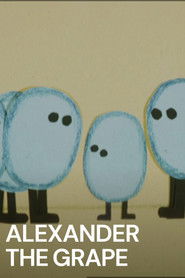
star 6ALEXANDER THE GRAPE, an unfinished cut-paper animated short from Jim Henson from 1965, relates the fable of a young grape with big ambitions who learns that it is better to accept yourself than to try to be something you are not. The short was reconstructed from film and audio elements; images from Jim’s storyboard fill in missing segments of the animation.The Magic Mountain
2015
The Magic Mountain
2015
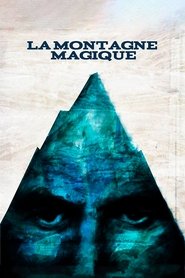
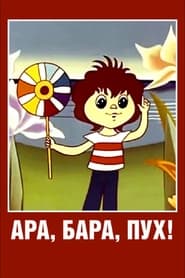
star 6.5The film investigates the adventures of mountain climber and photographer Adam J. Winkler, who fought in Afghanistan with the Mujahideen against the Soviets in the 1980s. The director employs a highly original artistic technique involving animated collage of period materials.Ara, bara, pooh!
1986
Ara, bara, pooh!
1986
The film is about a child's fantasy that can create a wonderful world of imagination. In an original artistic form, he introduces children to the alphabet in visible, visual images, touching on education, touches on the problem of relationships between adults and children.A Very Twisted Tale
2024
A Very Twisted Tale
2024
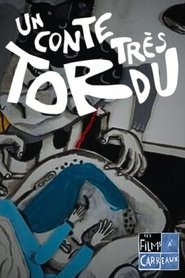
star 6Every evening, Brindone, a teenager, goes to bed before the end of the TV programs. Every evening, instead of going to bed discreetly, his big brother Musclor turns on the light in their shared bedroom to annoy him. Every evening the same routine. Brindone can't take it anymore.Prism Season
1989
Prism Season
1989
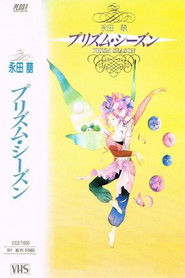
In a gentle adaptation of Megume Nagata's book Flowers Wait for the Moon, a girl grows up, falls in love, and becomes a mother, realizing that her childhood is now forever behind her.Dogstar: Christmas in Space
2016
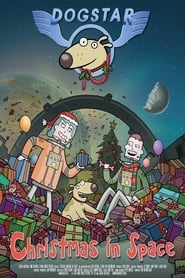
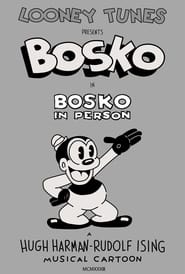
All the world's dogs are lost in space. It's up to the Clark kids to find them and bring them all safely home before Christmas.Bosko in Person
1933
Bosko in Person
1933
star 5.2Bosko and Honey perform a wacky stage act that includes doing imitations of Maurice Chevalier, Greta Garbo and Jimmy Durante.Pluto's Housewarming
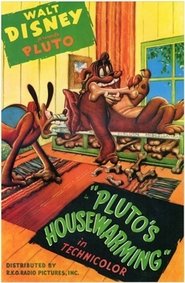
1947
Pluto's Housewarming
1947
star 6.9Pluto has just finished moving his bones into a spiffy new doghouse when a turtle comes along and starts moving them out. While Pluto is dealing with the turtle, Butch takes up residence. Butch chases Pluto back to his grungy old doghouse, and now it's his turn to deal with the tenacious little turtle. The turtle wins, and he and Pluto become friends.Jinxes
2018
Jinxes
2018
A girl heading home from school is met with a bigger version of herself who poses arbitrary challenges with unspeakable consequences. The little girl tries to keep up but suddenly the stakes are raised.The Wind in the Willows
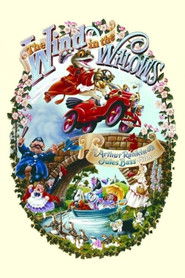
1987
star 6The Irresponsible Toad is in a mess and needs help from his friends try and save Toad Hall.Dante's Inferno
2007
Dante's Inferno
2007
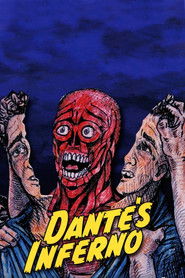
star 6.2A darkly comedic travelogue of the underworld - set against an all-too-familiar urban backdrop of used car lots, gated communities, strip malls, and the U.S. Capitol. And populated with a contemporary cast of reprobates, including famous - and infamous - politicians, presidents, popes, pimps. And the Prince of Darkness himself.Little School Mouse
1954
Little School Mouse
1954
star 6.9Professor Jerry teaches a course in how to outwit cats, but his pupil seems to know more than Jerry.Die Königin
0000
Die Königin
0000
While a reception is being prepared for the Queen, a baby feeds from a bottle of milk, restores vigor to the schoolboy doing his calculations, to the blacksmith who's working his iron, to the runner who is getting tired. At last, she is crowned before the ball, with bottles of milk.Woman Who Stole Fingers
2010
star 6One day, a boy who separated from his mother’s hand is deprived of his fingers. His fingers become a larva and part from his hand. The house. . . conceal[s] a relationship between the two from anyone. How does the boy who is deprived of his fingers grow up?