Popular War Movies on Pantaflix - Page 423
All Services
Free Services
 Netflix
 Amazon Prime Video
 Apple iTunes
 Apple TV Plus
 Disney Plus
 Google Play Movies
 Paramount Plus
 Hulu
Hulu
 HBO Max
 YouTube
 fuboTV
 Peacock
 Peacock Premium
 Amazon Video
 The Roku Channel
 AMC+
AMC on Demand
AMC+
AMC on Demand
 Kocowa
 Hoopla
 The CW
 Vudu
Vudu
 Starz
Starz
 Showtime
 PBS
PBS
 Pantaflix
 FXNow
FXNow
 Tubi TV
 Kanopy
 Comedy Central
 Crunchyroll
 Microsoft Store
 Redbox
 Sun Nxt
 ABC
ABC
 DIRECTV
 Crackle
 Fandor
 Plex
Plex
Netflix
Amazon Prime Video
Apple iTunes
Apple TV Plus
Disney Plus
Google Play Movies
Paramount Plus
Hulu
HBO Max
YouTube
fuboTV
Peacock
Peacock Premium
Amazon Video
The Roku Channel
AMC+
AMC on Demand
Kocowa
Hoopla
The CW
Vudu
Starz
Showtime
PBS
Pantaflix
FXNow
Tubi TV
Kanopy
Comedy Central
Crunchyroll
Microsoft Store
Redbox
Sun Nxt
ABC
DIRECTV
Crackle
Fandor
Plex

人奶魔巢
1989
人奶魔巢
1989
Roman Rapido
1983
Roman Rapido
1983
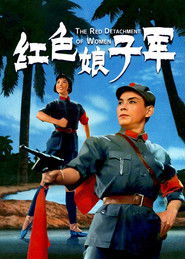
star 2A story of bravery and heroism during Japanese invasion and post Japanese era.The Red Detachment of Women
1971
star 5.3A filmed 1970 performance of the China Central Ballet Troupe. Adapted from the film of the same title, The Red Detachment of Women was first staged in Beijing in 1964 and was one of the Eight Model Operas which dominated the national stage during the Cultural Revolution.Mighty Prince
1945
Mighty Prince
1945
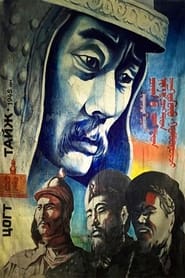
star 8.3This film revolves around Choghtu Khong Tayiji, a 17th century Mongolian prince who waged a campaign of independence against Tibetan and Manchu forces.Aftermath
2025
Aftermath
2025
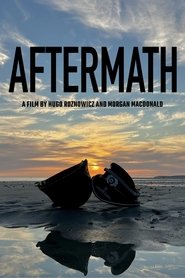
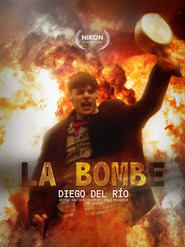
A month after D-Day, a German lieutenant and an American soldier are forced to cooperate to survive in the dunes of Normandy.La Bombe
2025
Thud Pilots II
2021
Thud Pilots II
2021
star 10Based off the spellbinding book Thud Pilot, the much anticipated sequel to the 2018 award-winning documentary Thud Pilots continues the story and legacy of the most iconic fighter in the Vietnam War, the F-15 Thunderchief. Thud Pilots II reveals the rise of the Hunter Killer mission and the pilots who refused to be beat despite their hands being tied.El héroe de Cascorro
1929
Paroles d'un Prisonnier Français de l'ALN
2010
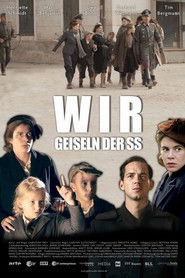
star 10The image of French prisoners was very often evoked in Algerian cinema and literature, but until today, no Algerian or even European report or documentary had given voice to one of these French prisoners of the war of Algeria. In the interest of truth and writing history, we set out in search of one of these French witnesses. This witness is René Rouby, prisoner of Amirouche's group for more than 114 days in 1958 in the Akfadou region in Kabylia. This is the first testimony from a French prisoner of the ALN (the National Liberation Army).Hostages of the SS
2015
Hostages of the SS
2015
star 6.2April 1945. In a dramatic operation the SS transports 139 special prisoners, and kin of the prisoners, into the Alps. The plan: to use the prisoners as bargaining chips in possible negotiations with the Allies. During the journey a number of prisoners plan their escape and experience six days between liberty and death, their fates in the hands of ruthless and increasingly nervous criminals. But the hostages band together and turn the tables with a clever ploy: they call in the Wehrmacht to aid them…Dingjun Mountain
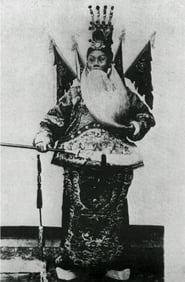
1905
Dingjun Mountain
1905
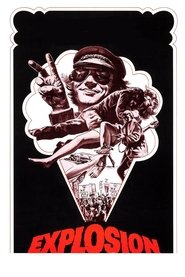
star 10The first Chinese film ever made, a sung representation of Battle of Mount Dingjun.Explosion
1969
Explosion
1969
star 4During the height of the Vietnam war, a hippie and a draft dodger get together and hatch a plan to flee to Canada. They steal a car and head towards Vancouver, but the trip doesn't go as smoothly as they planned, and before long they're being chased by the police, accused of murdering several police officers.Why Hitler Lost WWII
0000
Why Hitler Lost WWII
0000
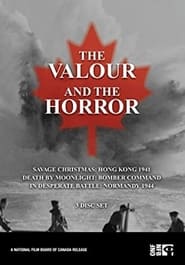
Explores the fascinating reasons behing Hitler's demise and delves into several explanations for the failed 1,000-year Reich.A Savage Christmas: The Fall of Hong Kong
1992
star 10The documentary, using the dramatization of fact, makes the case that the Canadian government knowingly sent two unprepared infantry battalions to help defend Hong Kong in late 1941, fully aware that they may have been on a doomed mission. The C Force, consisting of about 2000 soldiers from the Winnipeg Grenadiers and the Royal Rifles of Canada (from Quebec City) were, with the other British, Indian and Hong Kong troops, attacked on December 8, 1941 and overwhelmed by Japanese troops, leading to numerous casualties and the surrender on Christmas day. The Canadians would spend more than 3 and half years as prisoners of war, in horrible conditions. Part of "The Valour and the Horror" mini series.Barefoot Gen's Hiroshima
2011
star 4With the passing of Nakazawa Keiji in December 2012, Barefoot Gen’s Hiroshima now stands as the manga artist’s last message of peace to the world. Mr. Nakazawa recounts his life, from the aftermath of the atomic bombing up until the days he created his acclaimed manga series Barefoot Gen (Hadashi no Gen), by exploring sites of painful memories in Hiroshima. Through Mr. Nakazawa’s story, and his original art work, Barefoot Gen’s Hiroshima illuminates the nature of war and nuclear weapons, urging us not to repeat the past.Enemigos
1934
Enemigos
1934
star 5The bride of a Federale colonel rejects him on their wedding night, and begins extramarital relations with a strapping young leader of the peasant revolution against which the colonel is fighting.New Moon
2001
New Moon
2001
star 7.5Ahmad belongs to the Bangsamoro people. While many of his kind are bent on fighting, thinking that Mindanao is only for the Muslims, Ahmad prefers to live a simple and peaceful life. He works as a doctor in Manila while his wife, Fatima, and his only son, Ibrahim, stay in Mindanao with his mother, Farida. Ahmad is shocked and devastated when Fatima breaks the confounding news. Ibrahim was killed by a stray bullet when vigilantes indiscriminately fire at their village. Ahmad goes back to where he came from Mindanao. Ibrahim’s death did not cause Ahmad to stop striving to live a peaceful life, much to the consternation of his brother, Musa. His brother takes an exactly opposite stand. Musa believes in waging a war against all the Kaafir (unbelievers) who may impede the Moro’s goal of independence. He even trains his young son, Rashid to a Muslim warrior’s life.Sugar House
1981
Sugar House
1981
star 6In the final days of the Second World War in 1945 Frantisek Pribyl is killed during a shoot-out with the Germans. After the funeral, the widow (Jana Svandová) and her two young sons Martin and Ondra move to her deceased husband's native village at the foot of the Kralický Snezník mountains. Life in the borderlands is far from easy for the lonely woman. The village is almost deserted, food supplies are delayed; the Werwolf (Nazi guerrilla squads) are hiding in the mountains, and shooting is heard from time to time. The elder son Ondra (Michal Dlouhý) is helping out his mother and at the same time absorbing intense new experiences. He meets an old Czech resident Skurek (Lubomír Kostelka), German women working in the forest, soldiers from the engineering units removing the mines, and a young first lieutenant. At night he dreams about his dead father whom he loved very much. This is why he runs away from home when he finds out that the lieutenant is courting his mother.The Ballad of the Commissar
1967
The events unfold during the years of the Civil War. Commissar Fadeytsev once spared the life of a White officer, Chugureyev. Now, in the days of the counter-revolutionary uprising, Chugureyev, sent by his command to a remote island, encounters Fadeytsev, who is hiding in the house of a gamekeeper named Maksim. The gamekeeper is sentenced to hang, and the sentence is carried out. Fadeytsev manages to escape captivity, but being on an island, he knows full well that he won’t get far from the enemy...