Popular Documentary Movies on Tub Tv - Page 161
All Services
Free Services
 Netflix
 Amazon Prime Video
 Apple iTunes
 Apple TV Plus
 Disney Plus
 Google Play Movies
 Paramount Plus
 Hulu
Hulu
 HBO Max
 YouTube
 fuboTV
 Peacock
 Peacock Premium
 Amazon Video
 The Roku Channel
 AMC+
AMC on Demand
AMC+
AMC on Demand
 Kocowa
 Hoopla
 The CW
 Vudu
Vudu
 Starz
Starz
 Showtime
 PBS
PBS
 Pantaflix
 FXNow
FXNow
 Tubi TV
 Kanopy
 Comedy Central
 Crunchyroll
 Microsoft Store
 Redbox
 Sun Nxt
 ABC
ABC
 DIRECTV
 Crackle
 Fandor
 Plex
Plex
Netflix
Amazon Prime Video
Apple iTunes
Apple TV Plus
Disney Plus
Google Play Movies
Paramount Plus
Hulu
HBO Max
YouTube
fuboTV
Peacock
Peacock Premium
Amazon Video
The Roku Channel
AMC+
AMC on Demand
Kocowa
Hoopla
The CW
Vudu
Starz
Showtime
PBS
Pantaflix
FXNow
Tubi TV
Kanopy
Comedy Central
Crunchyroll
Microsoft Store
Redbox
Sun Nxt
ABC
DIRECTV
Crackle
Fandor
Plex

Sisterhood
2019
Sisterhood
2019
star 6Sisterhood portrays a current reality in Japan, showing the vision and lives of different people, such as a nude model, a music artist, a student and other diverse individuals who give their opinions in front of the camera.The New Yorker at 100
2025
star 6.9Hard-hitting journalism. Era-defining fiction. Witty cartoons. The New Yorker marks its 100th anniversary with this look at its past, present and future. The New Yorker's centennial reveals behind-the-scenes access to editors, writers, and archives of this culturally vital magazine, one of print's last survivors.The Armstrong Lie
2013
The Armstrong Lie
2013
star 6.9In 2009, Alex Gibney was hired to make a film about Lance Armstrong’s comeback to cycling. The project was shelved when the doping scandal erupted, and re-opened after Armstrong’s confession. The Armstrong Lie picks up in 2013 and presents a riveting, insider's view of the unraveling of one of the most extraordinary stories in the history of sports. As Lance Armstrong says himself, “I didn’t live a lot of lies, but I lived one big one.”Trouble Behind
1991
Trouble Behind
1991
During World War I, African-Americans worked on the railroad near Corbin, Kentucky. When whites returned from the war, there was conflict. Whites sought their former jobs and positions in the community. In 1919, a race riot occurred. Whites put the African-Americans on railroad cars and ran them out of town. In Trouble Behind, members of the Corbin community speak out on the issue. The filmmakers also interview former members of the Corbin, which at the time of filming had only one black family. Some Corbin residents express confusion as to why African-Americans don't move back. Others openly use racial epithets. Some young adults seem troubled by the racism, past and present. Others don't.Capturing the Friedmans
2003
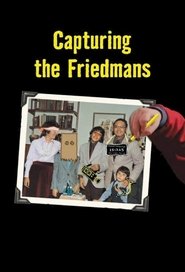
star 7.1An Oscar nominated documentary about a middle-class American family who is torn apart when the father Arnold and son Jesse are accused of sexually abusing numerous children. Director Jarecki interviews people from different sides of this tragic story and raises the question of whether they were rightfully tried when they claim they were innocent and there was never any evidence against them.The Things We Did Last Summer
1978
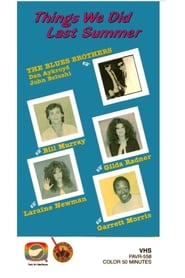
star 4This episodic comedy features the original cast of Saturday Night Live as they present individual skits that describe their summer vacations. Among the highlights is a concert segment featuring John Belushi and Dan Aykroyd as the Blues Brothers.Voi siete qui
2011
Voi siete qui
2011
Sir Bobby Charlton: The First Gentleman Of Football
2023
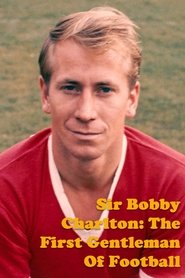
Documentary celebrating the remarkable life of one of England's greatest-ever footballers, Sir Bobby Charlton. Sir Bobby was a key member of the England team that won the World Cup in 1966 and a Manchester United team touched by success and tragedy in equal measure. Charlton survived the Munich air disaster in 1958, which killed several of his teammates, dubbed the Busby Babes. He became a crucial figure in the club's resurgence, winning two league titles and, unforgettably in 1968, the European Cup against Benfica. He received a knighthood in 1994 and was awarded the prestigious BBC Sports Personality of the Year Lifetime Achievement Award in 2008. A fiercely proud Englishman, Charlton was a pivotal figure at Manchester United as an ambassador, club director and close confidante of a succession of managers.Tracy Morgan: Takin' It Too Far
2023
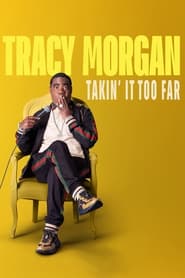
star 4.9Grateful and hyped, Tracy Morgan owns his set and unabashedly tackling topics such as dating in his 50s (along with the unexpected side effects that comes with it), his dysfunctional family, attempting to reverse gentrification in Brooklyn, and the very public 2014 car accident that left him with multiple broken bones, a traumatic brain injury, and a substantial settlement.Gianni Versace – Emperor of Dreams
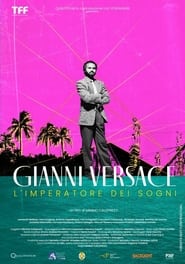
2023
The growth and success of Gianni Versace: his childhood and adolescence in Reggio Calabria in the 60s, his first steps in the world of fashion. The docufilm collects a series of interviews with friends and colleagues as well as archival images of fashion shows and interviews.Edgar Allan Poe: Buried Alive
2017
star 7.7How the inventor of the detective story became his own greatest mystery.The Shepherd and the Bear
2026
High in the French Pyrenees, the reintroduction of wild bears in a traditional shepherding community provokes deep conflict. An aging shepherd struggles to find a successor as bears prey on his flock, and a teenage boy becomes obsessed with tracking the bear.The Bit Player
2019
The Bit Player
2019
star 6.6The Bit Player tells the story of an overlooked genius, Claude Shannon (the "Father of Information Theory"), who revolutionized the world, but never lost his childlike curiosity.Titanic's Final Mystery
2012
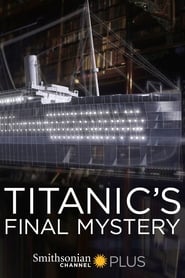
star 7.3The sinking of the RMS Titanic remains one of the most enduring and mysterious tragedies of the 20th century. For decades, investigators and amateurs alike have floated theories for why it occurred and who was to blame for the extraordinary loss of life, but no one answer could fully explain what happened. Until now. To mark the 100th anniversary of the infamous disaster, Smithsonian Channel will premiere Titanic's Final Mystery. The two-hour special investigates a century of theories and uncovers astonishing new forensic evidence that proves the most likely theory for the case.The Past is Always New, the Future is Always Nostalgic: Photographer Daido Moriyama
2019
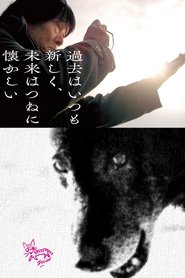
This documentary follows the legendary Japanese photographer as he continues to find new ways of seeing the visual assault of Tokyo’s streets and reminisces about his life and work.Stalin In Color
2014
Stalin In Color
2014
star 9March 9th, 1953, 5 million people attend Stalin’s funeral. A revolutionary lacking in both charisma and stature, Stalin came to power almost by chance, and his 30-year reign saw him become the most Machiavellian and bloodthirsty of dictators. The man who insisted on being called “The Father of the People” massacred his own countrymen, and was responsible for the death of some 20 million people. Soon forgetting his former ideological stance, he mercilessly crushed anyone who opposed him, in both word and deed. His camps for reform through hard labor – known as “gulags” – turned 18 million Russians into slaves. He not only murdered his opponents but his best friends too, and even sometimes members of his own family. His cruelty knew no bounds. Through colorized archive material rich in previously unseen footage, and many accounts from the period including some from Stalin himself, this documentary tells the story of a man who turned a dream into a nightmare.At Midnight with Glauber Rocha
1997
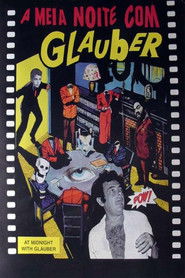
A late-1960s interview with Brazilian filmmaker Glauber Rocha, mixed in avant-garde style with scenes from his films and clips from fellow filmmaker José Mojica Marins and visual artist Hélio Oiticica.