Popular Documentary Movies on Tub Tv - Page 396
All Services
Free Services
 Netflix
 Amazon Prime Video
 Apple iTunes
 Apple TV Plus
 Disney Plus
 Google Play Movies
 Paramount Plus
 Hulu
Hulu
 HBO Max
 YouTube
 fuboTV
 Peacock
 Peacock Premium
 Amazon Video
 The Roku Channel
 AMC+
AMC on Demand
AMC+
AMC on Demand
 Kocowa
 Hoopla
 The CW
 Vudu
Vudu
 Starz
Starz
 Showtime
 PBS
PBS
 Pantaflix
 FXNow
FXNow
 Tubi TV
 Kanopy
 Comedy Central
 Crunchyroll
 Microsoft Store
 Redbox
 Sun Nxt
 ABC
ABC
 DIRECTV
 Crackle
 Fandor
 Plex
Plex
Netflix
Amazon Prime Video
Apple iTunes
Apple TV Plus
Disney Plus
Google Play Movies
Paramount Plus
Hulu
HBO Max
YouTube
fuboTV
Peacock
Peacock Premium
Amazon Video
The Roku Channel
AMC+
AMC on Demand
Kocowa
Hoopla
The CW
Vudu
Starz
Showtime
PBS
Pantaflix
FXNow
Tubi TV
Kanopy
Comedy Central
Crunchyroll
Microsoft Store
Redbox
Sun Nxt
ABC
DIRECTV
Crackle
Fandor
Plex

Re:Orientations
2016
Re:Orientations
2016
In 1984, Richard Fung released his seminal first documentary Orientations: Lesbian and Gay Asians. Featuring 14 women and men in Toronto of South, East and Southeast Asian backgrounds, Orientations was the first documentary to explore the experiences and perspectives of queer Asians in North America. Capturing pivotal moments in Toronto’s history, it presents an intimate portrait of the texture of gay live and politics at that time. Re:Orientations revisits seven of the original participants as they see anew the footage of their younger selves, and reflect on their lives and all that has changed over the intervening three decades. Their interviews are deepened and contextualized by conversations with six younger queer and trans activists, scholars and artists.My Amityville Diaries
2022
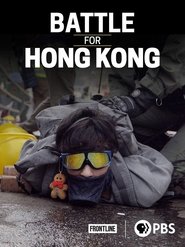
A Making-of documentary featuring interviews with screenwriter Sandor Stern, actor Meeno Peluce, actor Don Stroud, actor Marc Vahanian and actress Amy Wright.Battle for Hong Kong
2020
Battle for Hong Kong
2020
star 5With unique access inside the battle for Hong Kong, FRONTLINE follows five protesters through the most intense clashes over several months of pro-democracy protests. The film examines their struggle against what they say is growing influence from the communist government of mainland China.Furious Love
2010
Furious Love
2010
star 6.8Furious Love, sequel to Finger of God, is the story of one man’s journey into some of the darkest spiritual climates on earth to test the limits of God’s love. Watch his discovery and witness God’s response to the demon possessed in Africa, the heroine addicts of Madrid, and witches in Salem, Massachusetts. See this love in relentless pursuit of the persecuted church in India and the oppressed victims of sex trafficking in Thailand. This journey of LOVE will leave you undone and must be experienced to be believed.Pay It No Mind: Marsha P. Johnson
2012
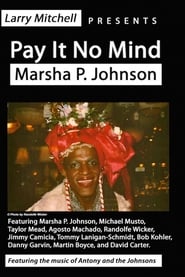
star 4.3Marsha P. Johnson was a drag queen, sex worker, and LGBT activist who fought at Stonewall and knew Andy Warhol. She was a New York fixture who made her motto her middle name: "Pay it no mind". This documentary about her life includes the last interview she gave before the suspicious circumstances of her death in 1992.The History of Hardcore
2002
star 4A Television documentary commissioned by Channel Four (UK). The programme charts the history of hardcore pornography on film, dating back to the turn of the 20th century. Utilsing rare vintage archive, and original interview material of British and American pornographers, the documentary explores the parallels between mainstream cinema and hardcore porn, underlining the changes that have taken place in the industry since the advent of video, and following a veteran pornographer onto the set of his latest video offering.Fergie Vs Wenger: The Feud
2018
star 8The rivalry between Sir Alex Ferguson and Arsene Wenger remains famous for being one of the fiercest in the history of British football. It was the feud between two titans of the sport which defined the Premier League era. Including revealing interviews from former players Paul Scholes, Philip Neville, Sol Campbell, Martin Keown and Andrew Cole.Just Play The Clash
1980
Just Play The Clash
1980
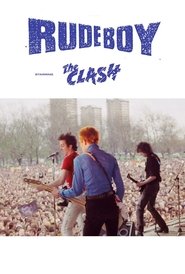
A bonus feature of Rudeboy, featuring only the concert scenes with the band.New flat
1977
New flat
1977
Island Home Country
2008
Island Home Country
2008
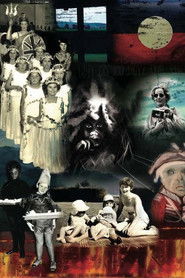
star 5A poetic cine-essay about race and Australia’s colonised history and how it impacts into the present offering insights into how various individuals deal with the traumatic legacies of British colonialism and its race-based policies. The film’s consultative process, with ‘Respecting Cultures’ (Tasmanian Aboriginal Protocols), offers an evolving shift in Australian historical narratives from the frontier wars, to one of diverse peoples working through historical trauma in a process of decolonisation.Private Fiction
2020
Private Fiction
2020
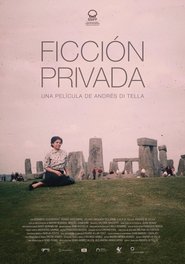
star 10Over several days and nights, an actor and an actress read the correspondence between Torcuato and Kamala, the film director's parents, he from Argentina, and she from India. The letters, encompassing the decades from the 50s to the 70s, refer to love and idealism, record world travels, talk about socialism and psychoanalysis, about pain and broken dreams. Their reading reveals a relationship between the actors, with similarities and differences. Meanwhile, with his own daughter, the director sets about solving the puzzle of the family memory, an intimate twentieth-century tale.Sincerity II
1975
Sincerity II
1975
star 4.3This continuation of my autobiography is composed of film photographed by many people: Bruce Baillie, Jane Brakhage, Larry Jordan and Stan Phillips, among others. Most of the footage is drawn from some 20,000 feet of "home movies," "out-takes" and the like, salvaged from my photography over the years. It is of the Brakhage family's coming into being.The Queen
2013
The Queen
2013
star 5.6Lost in a world of grown-ups, young Memi is torn between the glamour of the carnival pageant and the social pressure to become a winner.Dawn of the Damned
1965
Dawn of the Damned
1965
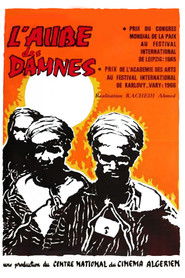
star 7.2This excellent feature-length documentary - the story of the imperialist colonization of Africa - is a film about death. Its most shocking sequences derive from the captured French film archives in Algeria containing - unbelievably - masses of French-shot documentary footage of their tortures, massacres and executions of Algerians. The real death of children, passers-by, resistance fighters, one after the other, becomes unbearable. Rather than be blatant propaganda, the film convinces entirely by its visual evidence, constituting an object lesson for revolutionary cinema.Princess Diana: Who Do You Think She Was?
2021
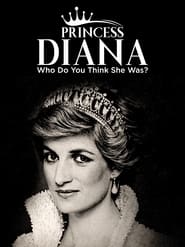
star 10We know how the story ends. But how did it all begin? Who was Diana before the palace, before the paparazzi? Behind the modern legend that is ‘Diana, Princess of Wales’ lie many other stories – in her childhood and in her family’s past. For, long before she was a Royal, she was a Spencer.WAMEGO: Making Movies Anywhere
2004
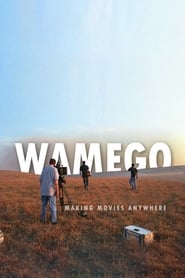
From the majestic prairie fires of Kansas, through the neon glow of a carnival, to a year-in-the-life journey on making a dream come true, this documentary follows The Balderson Family on their pursuit to prove anyone can make motion pictures anywhere. This movie reveals independent cinema as it really is, on the set and off - a family of artists, celebrities and icons taking part of the process.The Ring Thing
2017
The Ring Thing
2017
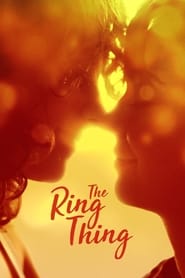
star 3.7When Sarah accidentally proposes to her girlfriend in Provincetown, the mixup turns their loving relationship into a minefield of marital exploration.Giants of Steam
1963
Giants of Steam
1963
The epic of the earliest days of Britain's railways and the men who built them. It concentrates on the achievements of George and Robert Stephenson and Isambard Kingdom Brunel, who built the first railway lines in the world in this country. Portraits, paintings, engraving and prints are used together with live shooting to evoke the atmosphere and illustrate the construction of the railways and the locomotives which ran on them.