Popular Documentary Movies on Tubi TV - Page 110
All Services
Free Services
 Netflix
 Amazon Prime Video
 Apple iTunes
 Apple TV Plus
 Disney Plus
 Google Play Movies
 Paramount Plus
 Hulu
Hulu
 HBO Max
 YouTube
 fuboTV
 Peacock
 Peacock Premium
 Amazon Video
 The Roku Channel
 AMC+
AMC on Demand
AMC+
AMC on Demand
 Kocowa
 Hoopla
 The CW
 Vudu
Vudu
 Starz
Starz
 Showtime
 PBS
PBS
 Pantaflix
 FXNow
FXNow
 Tubi TV
 Kanopy
 Comedy Central
 Crunchyroll
 Microsoft Store
 Redbox
 Sun Nxt
 ABC
ABC
 DIRECTV
 Crackle
 Fandor
 Plex
Plex
Netflix
Amazon Prime Video
Apple iTunes
Apple TV Plus
Disney Plus
Google Play Movies
Paramount Plus
Hulu
HBO Max
YouTube
fuboTV
Peacock
Peacock Premium
Amazon Video
The Roku Channel
AMC+
AMC on Demand
Kocowa
Hoopla
The CW
Vudu
Starz
Showtime
PBS
Pantaflix
FXNow
Tubi TV
Kanopy
Comedy Central
Crunchyroll
Microsoft Store
Redbox
Sun Nxt
ABC
DIRECTV
Crackle
Fandor
Plex

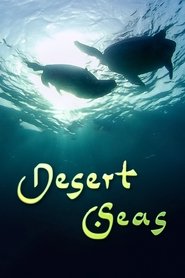
Desert Seas
2011
Desert Seas
2011
star 9Sir David Attenborough unveils the two stunning underwater realms of Saudi Arabia - the flamboyant Red Sea and the contrasting hot muddy Gulf, capturing for the first time the rare event of Palolo worms spawning at night.Tear the Roof Off: The Untold Story of Parliament Funkadelic
2016
star 7.7The untold true story: The rise and fall of the greatest funk band ever, Parliament Funkadelic.3801 Lancaster: American Tragedy
2015
star 6.2The chilling story of the charismatic Dr. Kermit Gosnell and the squalid abortion clinic he operated for years in Philadelphia despite many pleas to health authorities to investigate the deaths of women and infants.Jurassic Genius: Great Big Sharks
2019
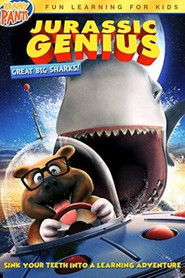
Melvin and Buddy are two space-exploring pups on a mission. Scarfing down facts like dog biscuits is their plan, but they can't learn about all the topics that interest them without some help. That's where Professor Brain comes in. He's the T-Rex with the mega brain-flex. Climb aboard for all the intergalactic fact-finding fun.Sweden: Lessons for America?
2018
It's been suggested that Americans would be better off if the United States was more like Sweden. Do the Swedes know something that we don't? Sweden: Lessons for America? A Personal Exploration by Johan Norberg delves into the economic and social landscape of the Swedish scholar's homeland. Join him to see that the lessons to be learned from Sweden may not be the ones you expect. The one-hour documentary follows Norberg on a journey through the history of Sweden's economic rise, from one of the poorest countries in the world to one of the most prosperous. The program illuminates key ideas and enterprises that sparked the reform and continue to help Sweden maintain its lofty economic position, including freedom of the press, free trade, new technology companies, crazy jobs and even an old Swedish superhero.Brooklyn Castle
2012
Brooklyn Castle
2012
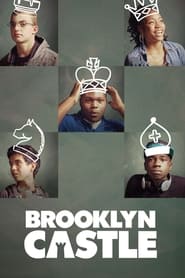
star 6.8Brooklyn Castle is a documentary about I.S. 318 – an inner-city school where more than 65 percent of students are from homes with incomes below the federal poverty level – that also happens to have the best, most winning junior high school chess team in the country. (If Albert Einstein, who was rated 1800, were to join the team, he’d only rank fifth best.) Chess has transformed the school from one cited in 2003 as a “school in need of improvement” to one of New York City’s best. But a series of recession-driven public school budget cuts now threaten to undermine those hard-won successes.Bowery
2022
Bowery
2022
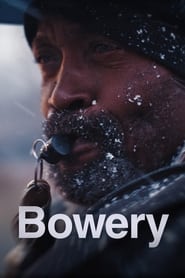
star 9A compelling portrait of New Yorkers living on the streets as they struggle with mental health, addiction, and the onset of a global pandemic. This powerful documentary offers an unfiltered, at times mesmerizing glimpse into life on the margins, drawing viewers into the raw, human stories behind a deepening crisis.Shadowring
2015
Shadowring
2015
star 7.7Details the virtually unknown story of the Council On Foreign Relations and how this think tank is responsible for defining the U.S. globalist agenda.Remember Pearl Harbor
2016
Narrated by veteran Hollywood actor Tom Selleck, REMEMBER PEARL HARBOR chronicles the personal stories of veterans and citizens who witnessed the surprise attack by the Japanese on the American Pacific Fleet on December 7, 1941, launching the United States into World War II. Using archival footage and photos and graphics, the documentary shows in detail the bombings on Oahu, along with the fiery explosion of the USS Arizona, the sinking of the USS Oklahoma, and the attacks on Hickam Field, as well as on other parts of the island. REMEMBER PEARL HARBOR documents the 75th anniversary, the tragic events and the courageous acts of those who were in or near Pearl Harbor on that day.Justice in the Coalfields
1995
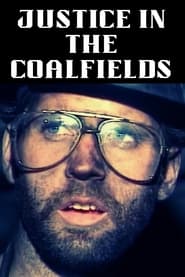
This film demonstrates how labor law has crippled the collective bargaining power of unions and weighed the scales of justice against working people. The documentary follows the 1988 United Mine Workers strike against the Pittston Coal Company that followed the expiration of their contract and Pittston's termination of the medical benefits of 1,500 pensioners, widows, and disabled miners.The Ark of Lilburn
2022
The Ark of Lilburn
2022
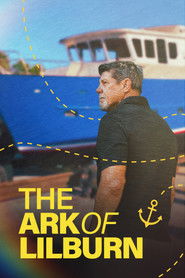
A man's dream of building a steel boat hits troubled water and it's up to his son to salvage it.Dispatches from Cleveland
2017
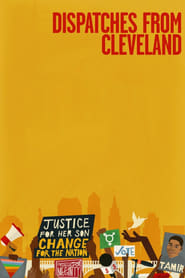
star 5.7Dispatches from Cleveland is a focused on ordinary Clevelanders who have been long shaken by police misconduct, social discrimination, and poverty. Depicting intersecting movements in Cleveland, the series examines how residents' love for their hometown pushes them to work together to bring about real change in one of the most racially divided cities in America.We Are Columbine
2019
We Are Columbine
2019
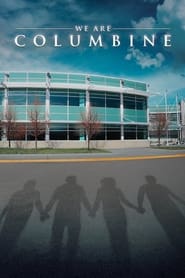
star 6.8The Columbine shootings were a tragic event in American history and have proved a lasting influence in continued acts of violence ever since. In this harrowing account, student and faculty survivors of Columbine, Amy, Gus, Jaimi, Zach, Mr. Leyba and Principal DeAngelis, reflect on the event that has both shaped them and created an unbreakable spirit shared between them. This is not the story of death, but of the process of healing in the face of the unspeakable.Bacteria Killers
2019
Bacteria Killers
2019
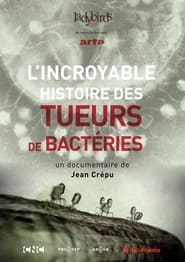
star 8.5More and more bacteria are becoming insensitive to antibiotics, not least due to excessive drug consumption. According to the EU, this problem could soon become as explosive as the environmental issue - and antibiotic resistance threatens to become one of the main causes of death worldwide. Research must therefore find alternatives - not miracle cures, but permanently effective drugs. There has already been one in the past: One hundred years ago, the French biologist Félix d'Hérelle discovered mysterious "bacteria-eating" viruses, known as bacteriophages or phages for short. He used these to successfully treat bacterial infections before the development of antibiotics, but his method was forgotten again. Is bacteriophage therapy the miracle medicine of the future?Maradona: The Greatest Ever
2021
star 4A star - A hero - A legend - Few athletes compare to the sheer magnetism of Diego Maradona. In a career spanning 5 decades he brought unimaginable skill to the game of football. He did the impossible - and then he did it again and again. Now, football is left without a God. Reflect and celebrate the incredible life and achievements of the greatest ever - Maradona.The Other Kids
2016
The Other Kids
2016
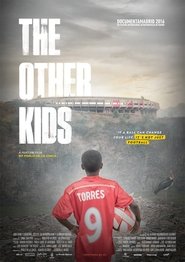
star 10Mubiru Reagan's life depends on a football scholarship. His dream is to emulate his idol, Fernando Torres, and be able to score a goal that will take his country, Uganda, to their first African Nations Cup. But above all he wants to study. Featuring Fernando Torres, Sergio Ramos, Yaya Touré and Vincente Del Bosque, this inspiring story reveals the power of football to change the lives of some of the poorest children in the world.Citizen Koch
2013
Citizen Koch
2013
star 6.9Wisconsin—birthplace of the Republican Party, government unions, cheeseheads and Paul Ryan—becomes a test market in the campaign to buy Democracy, and ground zero in the battle for the future of the GOP.Sky Above and Mud Beneath
1961
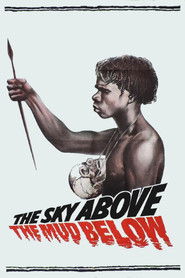
star 5.5In September, 1959, six Europeans leave Cook's Bay on the southern coast of Dutch New Guinea, now West Papua or Irian Jaya, to trek north to the far side of the island. The journey (450 miles, as a crow flies) across unmapped territory took seven months; three Muyu porters died. Near both coasts, the expedition met villagers who invited them to observe rituals and live with them. In the interior, all villagers kept them at bay, and they depended on air lifts from Hollandia for food and supplies. They climbed above 10,000 feet, built 14 bridges, and fought leeches and malaria. The narrator focuses on describing Stone Age savages, headhunters, and cannibals.Bada$$ Mothaf**kas
2013
Bada$$ Mothaf**kas
2013
Blaxploitation star Fred "The Hammer" Williamson hosts a collection of trailers and clips from the Blaxploitation genre.