Popular War Politics TV Shows on Tubi TV - Page 7
All Services
Free Services
 Netflix
 Amazon Prime Video
 Apple iTunes
 Apple TV Plus
 Disney Plus
 Google Play Movies
 Paramount Plus
 Hulu
Hulu
 HBO Max
 YouTube
 fuboTV
 Peacock
 Peacock Premium
 Amazon Video
 The Roku Channel
 AMC+
AMC on Demand
AMC+
AMC on Demand
 Kocowa
 Hoopla
 The CW
 Vudu
Vudu
 Starz
Starz
 Showtime
 PBS
PBS
 Pantaflix
 FXNow
FXNow
 Tubi TV
 Kanopy
 Comedy Central
 Crunchyroll
 Microsoft Store
 Redbox
 Sun Nxt
 ABC
ABC
 DIRECTV
 Crackle
 Fandor
 Plex
Plex
Netflix
Amazon Prime Video
Apple iTunes
Apple TV Plus
Disney Plus
Google Play Movies
Paramount Plus
Hulu
HBO Max
YouTube
fuboTV
Peacock
Peacock Premium
Amazon Video
The Roku Channel
AMC+
AMC on Demand
Kocowa
Hoopla
The CW
Vudu
Starz
Showtime
PBS
Pantaflix
FXNow
Tubi TV
Kanopy
Comedy Central
Crunchyroll
Microsoft Store
Redbox
Sun Nxt
ABC
DIRECTV
Crackle
Fandor
Plex

Crusade in the Pacific
2004
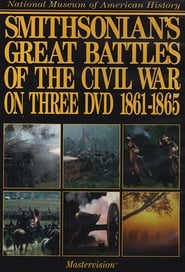
This richly detailed, visually stunning documentary series covers the entire dramatic saga of World War II in the Pacific. From Manchuria to Hiroshima, the people, armaments, locations and battles of the epic conflict are covered in 20 unforgettable episodes. The Allies' crusade to defeat imperial Japan's bloody expansion featured difficult, heroic fighting at sea, in the air, and on innumerable jungle islands.Smithsonian's Great Battles of the Civil War
1994
This critically acclaimed television and video series from the National Museum of American History is a sweeping and compelling look at the war's military, political and social history. Each episode features dramatic reenactments of important campaigns; first-hand accounts of eyewitnesses and participants read by distinguished actors; period photographs, paintings and artifacts; intriguing expert challenges to traditional historical thinking; original contemporary illustrations; computer enhanced maps; and music of the time.Afghanistan
2019
Afghanistan
2019
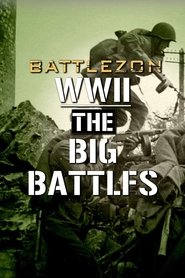
The project attempts to understand the causes of the Afghan War (1979-1989) and to provide the most truthful coverage of all its stages. On a cold day on December 12, 1979, a small circle of members of the Politburo of the CPSU Central Committee discussed the situation in Afghanistan. After much hesitation, four people (Leonid Brezhnev, Yuri Andropov, Andrei Gromyko, Dmitry Ustinov) made the fateful decision to send troops into Afghanistan. Thus began the Afghan campaign – the first and only military operation waged by the Soviet Union outside the Warsaw Pact countries, which became the longest and most “forgotten” war in Soviet history.Battlezone WWII: The Big Battles
2015
This Battlezone series features an in-depth analysis of the major battles that decided the outcome of WWII.Unsung Heroes Of World War II
2020
Beneath the big marquee names of WWII was the magnificent layer of heroes who performed with enormous valour but made few headlines - this is their story.