Top Rated Documentary Movies - Page 148
All Services
Free Services
 Netflix
 Amazon Prime Video
 Apple iTunes
 Apple TV Plus
 Disney Plus
 Google Play Movies
 Paramount Plus
 Hulu
Hulu
 HBO Max
 YouTube
 fuboTV
 Peacock
 Peacock Premium
 Amazon Video
 The Roku Channel
 AMC+
AMC on Demand
AMC+
AMC on Demand
 Kocowa
 Hoopla
 The CW
 Vudu
Vudu
 Starz
Starz
 Showtime
 PBS
PBS
 Pantaflix
 FXNow
FXNow
 Tubi TV
 Kanopy
 Comedy Central
 Crunchyroll
 Microsoft Store
 Redbox
 Sun Nxt
 ABC
ABC
 DIRECTV
 Crackle
 Fandor
 Plex
Plex
Netflix
Amazon Prime Video
Apple iTunes
Apple TV Plus
Disney Plus
Google Play Movies
Paramount Plus
Hulu
HBO Max
YouTube
fuboTV
Peacock
Peacock Premium
Amazon Video
The Roku Channel
AMC+
AMC on Demand
Kocowa
Hoopla
The CW
Vudu
Starz
Showtime
PBS
Pantaflix
FXNow
Tubi TV
Kanopy
Comedy Central
Crunchyroll
Microsoft Store
Redbox
Sun Nxt
ABC
DIRECTV
Crackle
Fandor
Plex

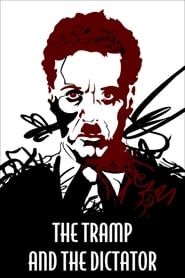
The Tramp and the Dictator
2002
star 7A look at the parallel lives of Charlie Chaplin and Adolf Hitler and how they crossed with the creation of the film “The Great Dictator,” released in 1940.Broadway by Light
1959
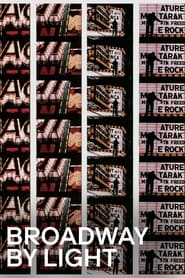
Broadway by Light
1959
star 6.7An experimental meditation on Times Square's marquees and iconic advertising that captures the concurrently seedy and dazzling aspects of New York's Great White Way.The 10th District Court: Moments of Trial
2004
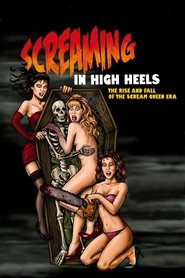
star 7.3The proceedings of a Paris courtroom are the grist for this documentary. Drawn from over 200 appearances before the same female judge, the director chooses a dozen or so varied misdemeanor and civil hearings to highlight the subtle details of human behavior. In the process he draws attention to issues of guilt, innocence, policing and ethnicity in France.Screaming in High Heels: The Rise & Fall of the Scream Queen Era
2011
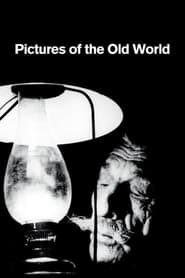
star 6.7Three girls living in Los Angeles, CA in the 1980s found cult fame when they "accidentally" transitioned from models to B-movie actresses, coinciding with the major direct-to-video horror film boom of the era. Known as "The Terrifying Trio," Linnea Quigley (The Return of the Living Dead), Brinke Stevens (The Slumber Party Massacre) and Michelle Bauer (The Tomb), headlined upwards of ten films per year, fending off men in rubber monster suits, pubescent teenage boys, and deadly showers. They joined together in campy cult films like Sorority Babes in the Slimeball Bowl-a-Rama (1988) and Nightmare Sisters (1987). They traveled all over the world, met President Reagan, and built mini-empires of trading cards, comic books, and model kits. Then it all came crashing down. This documentary remembers these actresses - and their most common collaborators - on how smart they were to play stupidPictures of the Old World
1972
star 8.1A raw and telling portrait of a people left behind by the modern world, inspired by the work of photographer Martin Martinček - whose pictures of the inhabitants of the Liptov region in central Slovakia, encompassed by the Tatra mountains, distilled entire lifetimes into luminous and intransient images. Dušan Hanák's continuation of these photographs takes the shape of a poetic visual essay, capturing more comprehensive vignettes of their isolated human experiences.Camp 14: Total Control Zone
2012
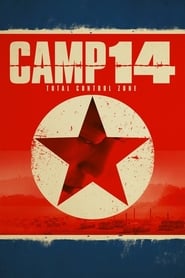
star 6.7Shin Dong-Huyk was born on November 19, 1983 as a political prisoner in a North Korean re-education camp. He was a child of two prisoners who had been married by order of the wardens. He spent his entire childhood and youth in Camp 14, in fact a death camp. He was forced to labor since he was six years old and suffered from hunger, beatings and torture, always at the mercy of the wardens. He knew nothing about the world outside the barbed-wire fences. At the age of 23, with the help of an older prisoner, he managed to escape. For months he traveled through North Korea and China and finally to South Korea, where he encountered a world completely strange to him.Making Michael Jackson's Thriller
1983
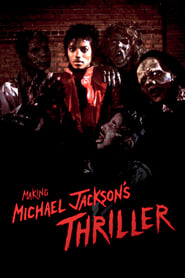
star 8.9Featuring interviews with director John Landis, make-up artist Rick Baker, and the King of Pop himself, Making Michael Jackson's Thriller takes you on a behind-the-scenes journey from pre-production to shooting on the ghoulish graveyard set of Michael Jackson's legendary music video and short film.Total Balalaika Show
1994
Total Balalaika Show
1994
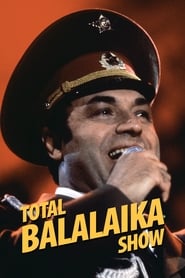
star 6.2A 57-minute documentary of a Helsinki concert featuring the Leningrad Cowboys and the Alexandrov Red Army Choir and Ballet, who collaborate on a number of US Rock songs sung in English (like "Sweet Home, Alabama") as well as more traditional Russian songs like the "Volga Boatman."Histoire(s) du Cinéma 1b: A Single (Hi)story
1989
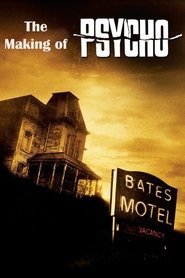
star 6.5A very personal look at the history of cinema directed, written and edited by Jean-Luc Godard in his Swiss residence in Rolle for ten years (1988-98); a monumental collage, constructed from film fragments, texts and quotations, photos and paintings, music and sound, and diverse readings; a critical, beautiful and melancholic vision of cinematographic art.The Making of 'Psycho'
2005
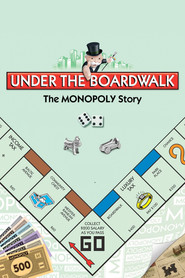
star 7.4A retrospective on the entire movie, from start to finish. There are interviews with many of the principle cast and crew (including Janet Leigh and Joseph Stefano), who all talk openly and lovingly about entire process of making the film. The sessions with Janet Leigh are particularly involving, and she talks a great deal about shooting the now infamous shower scene.Under the Boardwalk: The Monopoly Story
2010
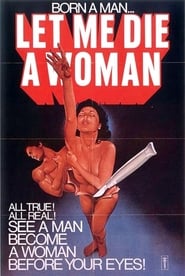
star 6.2Under the Boardwalk: The Monopoly Story shows how the classic board game has become a worldwide cultural phenomenon and follows the colorful players who come together to compete for the coveted title of Monopoly World Champion.Let Me Die a Woman
1977
Let Me Die a Woman
1977
star 4.4A documentary on the work of sex-change specialist Dr. Leo Wollman, including interviews with Dr. Wollman and a few of his patients, with an illustrated lecture on the various aspects of transsexuality plus actual footage of a sex-change operation, which is what gives the film its notorietyA Place at the Table
2012
A Place at the Table
2012
star 6.8Using personal stories, this powerful documentary illuminates the plight of the 49 million Americans struggling with food insecurity. A single mother, a small-town policeman and a farmer are among those for whom putting food on the table is a daily battle.Big Boys Gone Bananas!*
2011
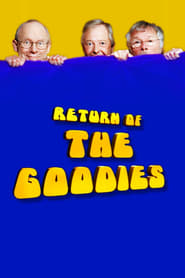
star 6.8The conflict between Dole Food Company and Swedish filmmaker Fredrik Gertten unfolds dramatically in the documentary "BIG BOYS GONE BANANAS!" as the corporation attempts to suppress Gertten's earlier film, "BANANAS!"—chronicling Nicaraguan workers' lawsuit against Dole. Initially selected for the 2009 Los Angeles Film Festival, "BANANAS!" was abruptly removed from competition, followed by a negative article in the Los Angeles Business Journal and legal threats from Dole's attorneys. Gertten captures this saga of corporate intimidation, media manipulation, and legal challenges in his documentary, showcasing the struggles documentary filmmakers face and highlighting the threat to freedom of speech posed by powerful corporations protecting their reputations.Return of the Goodies
2005
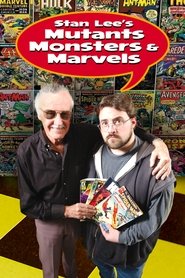
star 6.9The Goodies finally return to television after nearly 25 years with a compilation of classic clips, interviews and new material.Stan Lee's Mutants, Monsters & Marvels
2002
star 6.8Filmmaker and comic writer Kevin Smith interviews comic book legend Stan Lee about his life and work in comics across the decades.D-Day 6.6.1944
2004
D-Day 6.6.1944
2004
star 7.1On June 6th, 1944 the largest military invasion and defence the world has ever seen occurred. D-Day tells the epic story of the preparation and execution of the Allied invasion of Normandy. It tells the story of the defence of the Western Front by the forces of the German Empire, and of the complex and deadly secret war fought by the men and women of France and mainland Europe. D-Day brings to life the dramatic and astounding tales of courage and sacrifice, joy and despair, love and betrayal. The planning for the Allied invasion on June 6th 1944 took two years and cost thousands of lives. It involved a deception of breathtaking audacity. Both the preparation leading up to and the actions and events on the day itself relied on the absolute discretion of many and the genius and nerve of a few. D-Day examines the intricate jigsaw from both sides - presenting events through the eyes of the men and women who were there, telling their extraordinary stories.Special When Lit
2009
Special When Lit
2009
star 6.6What made more money than the entire American movie industry through the 50s and 60s? Pinball. Special When Lit rediscovers the lure of a lost pop icon. A product of the mechanical and electrical age, the American invention swept the world and defined cool. Now it is relegated to a nostalgic footnote deserving a better fate. Joining the fans, collectors, designers and champion players from across the globe who share a world many of us didn't know still existed.The Story of Menstruation
1946
star 5.5A basic explanation of the purpose and process of menstruation, told largely with diagrams.