Top Rated Documentary Movies - Page 153
All Services
Free Services
 Netflix
 Amazon Prime Video
 Apple iTunes
 Apple TV Plus
 Disney Plus
 Google Play Movies
 Paramount Plus
 Hulu
Hulu
 HBO Max
 YouTube
 fuboTV
 Peacock
 Peacock Premium
 Amazon Video
 The Roku Channel
 AMC+
AMC on Demand
AMC+
AMC on Demand
 Kocowa
 Hoopla
 The CW
 Vudu
Vudu
 Starz
Starz
 Showtime
 PBS
PBS
 Pantaflix
 FXNow
FXNow
 Tubi TV
 Kanopy
 Comedy Central
 Crunchyroll
 Microsoft Store
 Redbox
 Sun Nxt
 ABC
ABC
 DIRECTV
 Crackle
 Fandor
 Plex
Plex
Netflix
Amazon Prime Video
Apple iTunes
Apple TV Plus
Disney Plus
Google Play Movies
Paramount Plus
Hulu
HBO Max
YouTube
fuboTV
Peacock
Peacock Premium
Amazon Video
The Roku Channel
AMC+
AMC on Demand
Kocowa
Hoopla
The CW
Vudu
Starz
Showtime
PBS
Pantaflix
FXNow
Tubi TV
Kanopy
Comedy Central
Crunchyroll
Microsoft Store
Redbox
Sun Nxt
ABC
DIRECTV
Crackle
Fandor
Plex

In Defense of Food
2015
In Defense of Food
2015
star 7.4In Defense of Food tackles a question more and more people around the world have been asking: What should I eat to be healthy? Based on award-winning journalist Michael Pollan's best-selling book, the program explores how the modern diet has been making us sick and what we can do to change it.Salad Days: A Decade of Punk in Washington, DC (1980-90)
2015
star 7"Salad Days: A Decade of Punk in Washington, DC (1980-90)" examines the early DIY punk scene in the Nation's Capital. It was a decade when seminal bands like Bad Brains, Minor Threat, Government Issue, Scream, Void, Faith, Rites of Spring, Marginal Man, Fugazi, and others released their own records and booked their own shows-without major record label constraints or mainstream media scrutiny. Contextually, it was a cultural watershed that predated the alternative music explosion of the 1990s (and the industry's subsequent implosion). Thirty years later, DC's original DIY punk spirit serves as a reminder of the hopefulness of youth, the power of community and the strength of conviction.A German Youth
2015
A German Youth
2015
star 7.1At the end of the 1960s the post-war generation began to revolt against their parents. This was a generation disillusioned by anti-communist capitalism and a state apparatus in which they believed they saw fascist tendencies. This generation included journalist Ulrike Meinhof, lawyer Horst Mahler, filmmaker Holger Meins as well as students Gudrun Ensslin and Andreas Baader.The Visit: An Alien Encounter
2015
star 6“This film documents an event that has never taken place…” With unprecedented access to the United Nations’ Office for Outer Space Affairs, leading space scientists and space agencies, The Visit explores humans’ first encounter with alien intelligent life and thereby humanity itself. “Our scenario begins with the arrival. Your arrival.”Journey to Le Mans
2014
Journey to Le Mans
2014
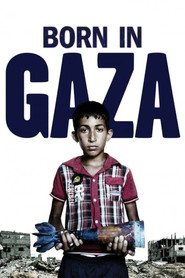
star 6.3Le Mans the biggest motorsport event in the world, is truly a spectacle like no other. The twenty-four hour race is considered the most physically and mentally demanding race on earth. Man and machine push themselves to the limits of endurance, many never make it past the finish line, and some never make it home.Born in Gaza
2014
Born in Gaza
2014
star 7.8This documentary focuses on the devastating violence of the Israel-Palestine conflict and its effects on the children of Gaza.Winning: The Racing Life of Paul Newman
2015
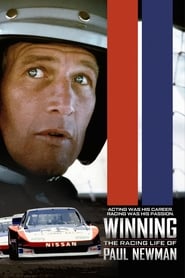
star 7.5The world knows Paul Newman as an Academy Award winning actor with a fifty-plus year career as one of the most prolific and revered actors in American Cinema. He was also well known for his philanthropy; Newman's Own has given more than four hundred and thirty million dollars to charities around the world. Yet few know the gasoline-fueled passion that became so important in this complex, multifaceted man's makeup. Newman’s deep-seated passion for racing was so intense it nearly sidelined his acting career. His racing career spanned thirty-five years; Newman won four national championships as a driver and eight championships as an owner. Not bad for a guy who didn't even start racing until he was forty-seven years old.Awake: The Life of Yogananda
2014
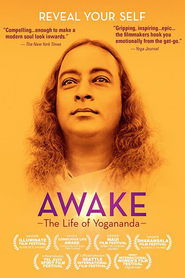
star 6.8An unconventional biography by Oscar nominee Paola di Florio and Sundance winner Lisa Leeman about Hindu mystic Paramahansa Yogananda who brought yoga and meditation to the West in 1920 and authored the spiritual classic "Autobiography of a Yogi," which became the go-to book for seekers from George Harrison to Steve Jobs.Rob Zombie: The Zombie Horror Picture Show
2014
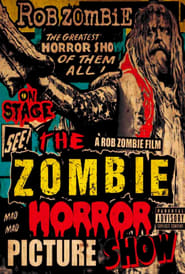
star 8.2Rob Zombie's first concert film, The Zombie Horror Picture Show is a feature-length concert film, recorded live over two sizzling nights in Texas. It captures Zombie's elaborate, multi-media production of mind-blowing SFX, animatronic robots, pyrotechnics, oversized LED screens and state-of-the-art light show combined with his powerhouse band featuring John 5, Piggy D and Ginger Fish. The Zombie Horror Picture Show puts the viewer at the center of the hot and nasty action for a blistering set of 16 Rob Zombie classics, including 'Dragula', 'Dead City Radio and the New Gods of Super Town', 'Living Dead Girl', 'More Human Than Human' and the crushing cover of Grand Funk Railroad's 'We're An American Band' from the seven-time Grammy® nominee's Top 10 2013 album, Venomous Rat Regeneration Vendor.Song of Avignon
1998
Song of Avignon
1998
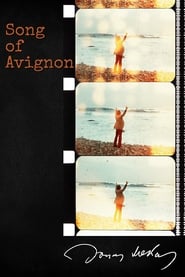
star 7.4Jonas Mekas reflects on a 1966 trip to Avignon that offered solace during a period of personal crisis. Combining diary texts read by Angus MacLise with images of place and memory, the film becomes a lyrical meditation on pain, survival, and the restorative power of reflection.Kidnapped for Christ
2014
Kidnapped for Christ
2014
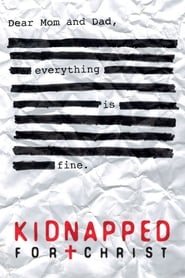
star 6.6Kidnapped For Christ tells the shocking stories of American teenagers who were taken from their homes and shipped to Escuela Caribe, an American-run Christian behavior modification program in the Dominican Republic. The film centers on David, a straight-A student who was sent to Escuela Caribe because he is gay and his parents can't deal with the situation. When a young evangelical filmmaker is granted unprecedented access to film behind the gates of this controversial school, she discovers shocking secrets and young students that change her life.As the Palaces Burn
2014
As the Palaces Burn
2014
star 7.3As the Palaces Burn is a feature-length documentary that originally sought to follow Lamb of God and their fans throughout the world, to demonstrate how music ties us together when we can’t find any other common bond. However, during the filming process in 2012, the story abruptly took a dramatic turn when lead singer Randy Blythe was arrested on charges of manslaughter and blamed for the death of one of their young fans in the Czech Republic. What followed was a heart-wrenching courtroom drama that left fans, friends, and curious onlookers around the world on the edge of their seats.The Lady in Number 6: Music Saved My Life
2013
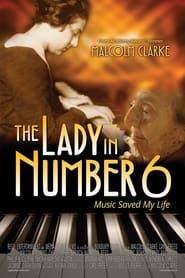
star 7.1The story of Alice Herz-Sommer, a German-speaking Jewish pianist from Prague who was, at her death, the world's oldest Holocaust survivor. She discusses the importance of music, laughter, and how to have an optimistic outlook on life.Paris, Champs-Elysées (voitures)
1896
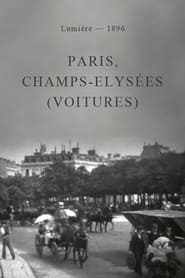
star 5.1Lumière Brothers film automobiles driving at the Champs-Elysées.The Iceman Confesses: Secrets of a Mafia Hitman
2001
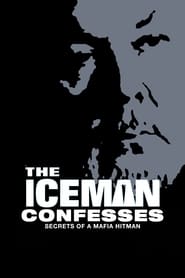
star 7.3Richard Kuklinski was a devoted husband, a loving father...and a ruthless killer. A decade after HBO last visited him in prison, the convicted murderer, who freely admits having whacked more than 100 people in cold blood, takes viewers back inside his cold, calculating mind. In this follow-up to America Undercover's 1992 film The Iceman Tapes: Conversations with a Killer, Kuklinski provides all-new insights about his exploits as one of the Mafia's most notorious assassins...and reveals some shocking confessions for a number of previously unsolved murders.Origins of the 21st Century
2000
star 6.3Commissioned by the heads of the 2000 Cannes Film Festival to make an opening-night short commemorating cinema as it enters its second full century, Godard instead offers up a 17-minute barrage of re-edited footage of wars and Nazi atrocities, interspersed with clips of Maurice Chevalier in "Gigi" and Godard's own "À bout de souffle."End
1992
End
1992
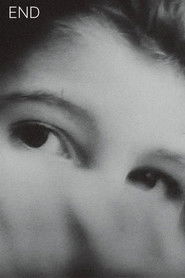
star 6.1Peleshian transforms footage from a train ride into a metaphor for the shape of a life. Early images of faces on the train give way to landscape, a journey through a black tunnel, and a final emergence into pure white light.Douche après le bain
1897
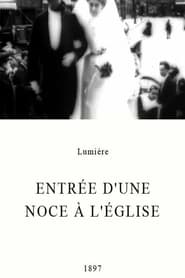
Entrée d'une noce à l'église
1897
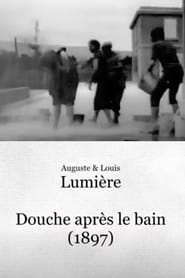
star 4.8A marriage procession following the bride and her father enter a church.Mirror of Holland
1950
Mirror of Holland
1950
star 6.2In this short film Bert Haanstra gives his vision - from the water – of a tranquil Holland. During filming he held the camera upside down and afterwards put the images ‘up right’ again in the film. By doing this, we see the ‘usual’ waterfront, but transformed by the rippling of the water. In this way Mirror of Holland became a modern looking experimental film. However this did not devalue the Dutch sentiment regarding waterfronts that are so trusted to so many.