Top Rated Documentary Movies - Page 295
All Services
Free Services
 Netflix
 Amazon Prime Video
 Apple iTunes
 Apple TV Plus
 Disney Plus
 Google Play Movies
 Paramount Plus
 Hulu
Hulu
 HBO Max
 YouTube
 fuboTV
 Peacock
 Peacock Premium
 Amazon Video
 The Roku Channel
 AMC+
AMC on Demand
AMC+
AMC on Demand
 Kocowa
 Hoopla
 The CW
 Vudu
Vudu
 Starz
Starz
 Showtime
 PBS
PBS
 Pantaflix
 FXNow
FXNow
 Tubi TV
 Kanopy
 Comedy Central
 Crunchyroll
 Microsoft Store
 Redbox
 Sun Nxt
 ABC
ABC
 DIRECTV
 Crackle
 Fandor
 Plex
Plex
Netflix
Amazon Prime Video
Apple iTunes
Apple TV Plus
Disney Plus
Google Play Movies
Paramount Plus
Hulu
HBO Max
YouTube
fuboTV
Peacock
Peacock Premium
Amazon Video
The Roku Channel
AMC+
AMC on Demand
Kocowa
Hoopla
The CW
Vudu
Starz
Showtime
PBS
Pantaflix
FXNow
Tubi TV
Kanopy
Comedy Central
Crunchyroll
Microsoft Store
Redbox
Sun Nxt
ABC
DIRECTV
Crackle
Fandor
Plex

Song of Heroes
1932
Song of Heroes
1932
star 5The building of blast furnaces Magnitogorsk and the Kubas Basin by Komsomol, the Communist Union of youth, as part of Stalin’s first five-year plan.Commune
2005
Commune
2005
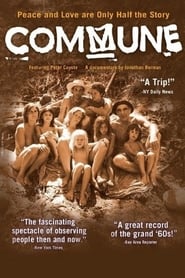
star 5.6In 1968, Elsa and Richard Marley founded an alternative-living community, named Black Bear, in the remote Northern California wilderness with the motto "Free Land for Free People." This film tells the story of that intended utopia. Through archival footage and interviews with former residents, director Jonathan Berman explores the problems and realities of communal living and the evolution of a community that endured FBI harassment, cult leadership and more.The Cry of Jazz
1959
The Cry of Jazz
1959
star 5.9Filmed in Chicago & finished in 1959, The Cry of Jazz is filmmaker, composer and arranger Edward O. Bland's polemical essay on the politics of music and race - a forecast of what he called "the death of jazz." A landmark moment in black film, foreseeing the civil unrest of subsequent decades, it also features the only known footage of visionary pianist Sun Ra from his beloved Chicago period. Featured are ample images of tenor saxophonist John Gilmore and the rest of Ra's Arkestra in Windy City nightclubs, all shot in glorious black & white.Kusama's Self-Obliteration
1967
star 5.6A film exploration of the work and aesthetic concepts of Yayoi Kusama, painter, sculptor, and environmentalist, conceived in terms of an intense emotional experience with metaphysical overtones, an extension of my ultimate interest in a total fusion of the arts in a spirit of mutual collaboration. —Jud YalkutFake Fruit Factory
1986
Fake Fruit Factory
1986
star 5.4Intimate documentary about young women who make papier mache fruit and vegetables in a small factory in Mexico. They have a gringo boss, but the factory is owned by his Mexican wife. The focus of the film is on the color, music and movement involved, and the gossip which goes on constantly, revealing what the young women think about men.Browncoats Unite: Firefly 10th Anniversary Special
2012
star 5.2Science Channel reunites Joss Whedon, Nathan Fillion and the entire renegade crew of the Serenity for the first time ever to provide the complete oral history on the franchise that continues to explode in popularity — despite meeting its end a decade ago. The 60-minute special includes secrets from the set, exclusive cast interviews, and footage from this year's colossal Comic-Con panel that dominated the pop culture conversation.Overdose: The Next Financial Crisis
2010
star 6.8When the world’s financial bubble blew, the solution was to lower interest rates and pump trillions of dollars into the sick banking system. But what happens when the solutions are identical to the mistakes that caused the very crisis?Glitterbug
1994
The Silver Screen: Color Me Lavender
1997
star 4.9A film scrapbook, images, phrases from our past, hiding their meanings behind veils. Let's lift those veils, one by one, to find how images, at one time seeming innocent, have revealed, after decades, to have homosexual overtones.Glorious Technicolor
1998
Glorious Technicolor
1998
star 6.9The history of color photography in motion pictures, in particular the Technicolor company's work.Last Shop Standing
2012
Last Shop Standing
2012
star 6.1Last Shop Standing, inspired by the book of the same name by Graham Jones, takes you behind the counter to discover why nearly 2000 record shops have already disappeared across the UK. The film charts the rapid rise of record shops in the 1960's, 70's and 80's, the influence of the chart, the underhand deals, the demise of vinyl and rise of the CD as well as new technologies. Where did it all go wrong? Why were 3 shops a week closing? Will we be left with no record shops with the continuing rise of downloading? Hear from over 20 record shop owners and music industry leaders as well as musicians including Paul Weller, Johnny Marr, Norman Cook, Billy Bragg, Nerina Pallot, Richard Hawley and Clint Boon as they all tell us how the shops became and still are a part of their own musical education, a place to cherish and discover new bands and new music.The Man Who Would Be Polka King
2009
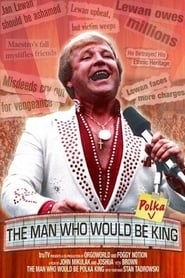
star 6.3A polka kingdom crumbles in this documentary tracing the rise and fall of dubious duple meter master Jan Lewan. A Grammy-nominated polka superstar who defected from Poland to the West in the 1970s, Lewan created a musical empire that made him an internationally-recognized figure. When scandal erupted and Lewan's shady dealings were revealed, fans couldn't believe that their hero had committed one of the largest polka-related financial crimes in history.The Rules of Film Noir
2009
star 6Matthew Sweet explores his rules of 1940s and 50s American film noir thrillers.Usain Bolt: The Fastest Man Alive
2012
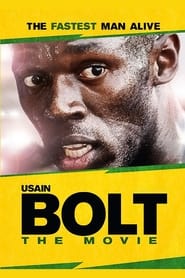
star 6.9I told you all I was going to be No. 1, and I did just that Usain Bolt There is no athlete that can compete with him...he s a global superstar Michael Johnson In this extraordinary film, director Gael Leibland spends a year chronicling every minute of the life of athletics champion and cultural icon Usain Bolt. Granted unprecedented access, Leibland follows Bolt behind the scenes as he attempts to smash records and make history at the 2012 Olympic Games. Through in-depth interviews with Bolt, his family and friends, Bolt: The Movie takes you on a journey into the life of the fastest man on the planet and is a no-holds-barred account of what it is like to be the very best.Andrei Tarkovsky: A Poet in the Cinema
1984
star 7.4An extensive interview with legendary director Andrei Tarkovsky conducted by Donatello Baglivo.Simonal: No One Knows How Tough It Was
2009
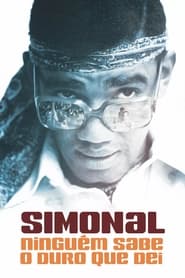
star 8.1In a time of timeless and revolutionary talents, Wilson Simonal shined as nobody before and innovated as only a few could. All of a sudden, everything vanished. This film maps the spectacular trajectory of the ex-Army corporal that ruled as a monarch, and was condemned to ostracism for an offense to which he pleaded not guilty.Minamata: The Victims and Their World
1971
star 7.1The first in a series of independent documentaries that Tsuchimoto made of the mercury poisoning incident in Minamata, Japan.¿Quién diablos es Juliette?
1997
star 4.8Filmed from 1995 to 1997 in Havana, New York, Los Angeles, Morelia and Mexico City, it tells the story of Yuliet, a Cuban teenager, and Fabiola Quiroz, a Mexican model, who, with humor and frankness, surrounded by quirky supporting characters, show us that the absence of their parents, deprivation and adversity made them stronger.Petition
2009
Petition
2009
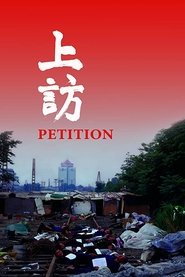
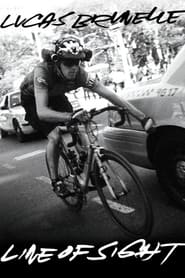
star 7The dysfunctional Chinese justice system allows citizens with grievances against their local governments to petition the court to clear or correct their record. Yet in order to do so, the petitioners must travel to Beijing to file paperwork and wait an indefinite period to plead their case. Following the saga of a group of petitioners over the years of 1996 and 2008, Petition unfolds like a novel by Zola or Dickens. This was filmed surreptitiously from the point of view of the petitioners, and not the justice officials, the police, or those heavies sent by the municipalities.Line of Sight
2012
Line of Sight
2012
star 6.1Line Of Sight is a rare view into underground bicycle messenger racing which has become a global phenomenon. For over a decade Lucas Brunelle has been riding with the fastest, most skilled urban cyclists around the world while capturing all the action with his customized helmet cameras to bring you along for the ride.