Top Rated Documentary Movies - Page 389
All Services
Free Services
 Netflix
 Amazon Prime Video
 Apple iTunes
 Apple TV Plus
 Disney Plus
 Google Play Movies
 Paramount Plus
 Hulu
Hulu
 HBO Max
 YouTube
 fuboTV
 Peacock
 Peacock Premium
 Amazon Video
 The Roku Channel
 AMC+
AMC on Demand
AMC+
AMC on Demand
 Kocowa
 Hoopla
 The CW
 Vudu
Vudu
 Starz
Starz
 Showtime
 PBS
PBS
 Pantaflix
 FXNow
FXNow
 Tubi TV
 Kanopy
 Comedy Central
 Crunchyroll
 Microsoft Store
 Redbox
 Sun Nxt
 ABC
ABC
 DIRECTV
 Crackle
 Fandor
 Plex
Plex
Netflix
Amazon Prime Video
Apple iTunes
Apple TV Plus
Disney Plus
Google Play Movies
Paramount Plus
Hulu
HBO Max
YouTube
fuboTV
Peacock
Peacock Premium
Amazon Video
The Roku Channel
AMC+
AMC on Demand
Kocowa
Hoopla
The CW
Vudu
Starz
Showtime
PBS
Pantaflix
FXNow
Tubi TV
Kanopy
Comedy Central
Crunchyroll
Microsoft Store
Redbox
Sun Nxt
ABC
DIRECTV
Crackle
Fandor
Plex

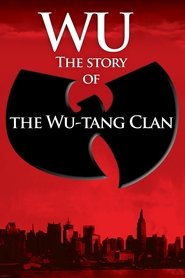
Wu: The Story of the Wu-Tang Clan
2008
star 6.3In the summer of 1993, the Wu-Tang Clan emerged from the slums of Staten Island, NY and took the hip-hop world by storm. Their legacy spanned over a decade, selling more than 20 million albums. Their talents brought them success and their music made them legends. This is their story..."WU: The Story of the Wu-Tang Clan" is an inspiring tale of the Clan's rise to power, fall from greatness and phoenix-like rebirth. This gem of a documentary includes a spectacular presentation of never before seen rare concert footage and interviews intimately narrated by acclaimed, Gerald "Gee-Bee" Barclay.Work Hard Play Hard
2012
Work Hard Play Hard
2012
star 6.8A film about non-territorial office space, multi-mobile knowledge workers, Blackberries and Miles&More. A road movie discovering the working world of tomorrow. This documentary will take you on a journey through the post-industrial knowledge and services workshops, our supposed future working place. In this new world work will be handled more liberally. Time clocks cease to exist. Attention is not compulsory any more. The resource “human“ comes into focus. The film closely follows the high-tech work force – people who are highly mobile and passionate to make their work their purpose in life. Further episodes resume this topic and lead into the world of modern office architecture and into the world of Human Resource Management.Marimbas from Hell
2010
Marimbas from Hell
2010
star 5.5Don Alfonso plays marimbas, the traditional Guatemalan instrument. Facing extortion and without work due to the population's lack of interest for his instrument, he seeks refuge with his godson Chiquilín. Blacko is a pioneer of the Heavy Metal Guatemalan underground stage. He is also a doctor in the public hospital but nobody wants to be treated by him because of his long hair and his tattoos. Chiquilín makes connections for Don Alfonso and Blacko to combine their talents and create a brand new band called Marimbas from Hell.Crime and Punishment
2007
Crime and Punishment
2007
star 7In a small town near China's North Korea border, a state police station exerts itself as a solicitous caretaker of the locals. As it goes out to catch criminals and punish them too, professionalism fades into the background.Vinylmania: When Life Runs at 33 Revolutions Per Minute
2012
star 6My mother used to wake me up with a vinyl record. It's the first thing I remember about life. Many years have passed but vinyl records have never abandoned me. And you? Have you ever listened to a vinyl record? With its unique sound and crackling that gives you butterflies. Have you ever plunged into the colours of the sleeves artwork? Have you smelled it? Music captures a unique taste, seductive. In "Vinylmania" the director guides us through the grooves of an object that has never lost its soul. He investigates what makes it so legendary in a world dominated by liquid music: Simple nostalgia? Possession? The search for an idenitity? A cry against the fast food music? The digital river that has no heart or soul, just ones and zeros...Desert Victory
1943
Desert Victory
1943
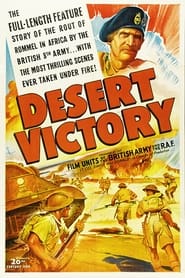
star 6A featureless land fit only for war, as the narrator, J. L. Hodson stated in the early scenes: "If war was to be fought then let it begin here". In endless miles of rock-strewn scrub desert, where civilians hardly existed. Desert Victory tells the story of the Allied campaign to drive Germany and Italy from North Africa is analysed, with the major portion of the film examining the battles at El Alamein, including some re-enactment. Won "Best Documentary Feature" at the 16th Academy Awards in 1944.Without Memory
1996
Without Memory
1996
star 6.4A father loses his short-term memory as the result of a botched medical procedure which causes him to develop Wernicke's Encephalopathy. Koreeda chronicles his family’s fight to receive proper treatment and benefits from this devastating malpractice.Barbra Streisand: Timeless - Live in Concert
2001
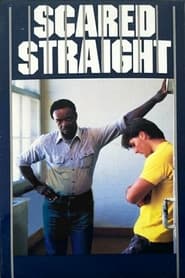
star 8.2Timeless: Live in Concert, recorded at her Las Vegas show on New Year's Eve 1999, takes as its subject the star herself. It opens with a dramatization of her first, amateur recording session, with young Lauren Frost playing a part described in the credits as "Young Girl," though Streisand later refers to her as "mini-me." Frost doesn't get too far before being joined by Streisand herself on a stirring version of "Something's Coming" from West Side Story. The rest of "Act One" traces Streisand's career from her club days to her movie performances. "Act Two" has less of a narrative structure, though it is equally autobiographical, with Streisand displaying and commenting on videos of herself performing with other stars and building up to the stroke of midnight with a combination of old, recent, and new specially written songs. At 57 that night, Streisand remains in good voice.Scared Straight!
1978
Scared Straight!
1978
star 7.3The filmed depiction of a program where convicts tell troubled kids about the horrors of prison life. Preserved by the Academy Film Archive in 2007.The Magic of Méliès
1997
The Magic of Méliès
1997
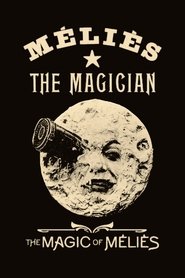
star 7A walk through the life and work of the brilliant French filmmaker Georges Méliès (1861-1938), pioneer of special and visual effects.Sing Your Song
2012
Sing Your Song
2012
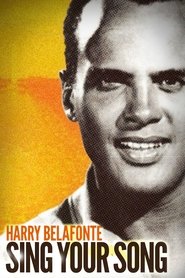
star 6.9Most people know the lasting legacy of Harry Belafonte, the entertainer. This film unearths his significant contribution to and his leadership in the civil rights movement in America and to social justice globally.Bi the Way
2008
Bi the Way
2008
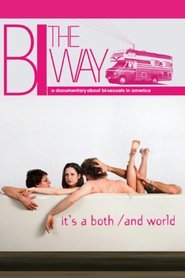
star 4.9This documentary explores the bisexual youth subculture in mid-00's America.Unraveled
2012
Unraveled
2012
star 6.4Just days before Bernard Madoff captured headlines as the largest Ponzi schemer in U.S. history, Marc Dreier, a prominent Manhattan attorney, was arrested for orchestrating a massive fraud scheme that netted hundreds of millions of dollars from hedge funds. Brazen forgeries and impersonations branded the white collar crime spree remarkable. "Unraveled" is set in the purgatory of house arrest -- an Upper East Side penthouse -- where the Court has ordered Dreier confined until his sentencing day. The film weaves Dreier's struggle to prepare for the possibility of life imprisonment with first-person flashbacks, which reveal his audacious path of destruction. Destroyed by his own hubris, Dreier attempts to grasp his tragic unraveling. With unprecedented access, "Unraveled" exposes a mastermind of criminal deception.Chisholm '72: Unbought & Unbossed
2004
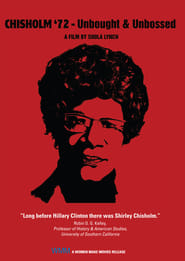
star 8.3In 1968, Shirley Chisholm becomes the first black woman elected to Congress. In 1972, she becomes the first black woman to run for president. Shunned by the political establishment, she's supported by a motley crew of blacks, feminists, and young voters. Their campaign-trail adventures are frenzied, fierce and fundamentally right on!END:CIV
2011
END:CIV
2011
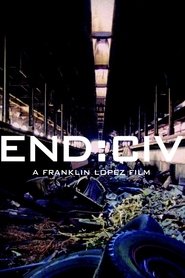
star 6.6The causes underlying the collapse of civilizations are usually traced to overuse of resources. As we write this, the world is reeling from economic chaos, peak oil, climate change, environmental degradation, and political turmoil. Every day, the headlines re-hash stories of scandal and betrayal of the public trust. We don't have to make outraged demands for the end of the current global system - it seems to be coming apart already. But acts of courage, compassion and altruism abound, even in the most damaged places. By documenting the resilience of the people hit hardest by war and repression, and the heroism of those coming forward to confront the crisis head-on, END:CIV illuminates a way out of this all-consuming madness and into a saner future. Backed by Jensen's narrative, the film calls on us to act as if we truly love this land. The film trips along at a brisk pace, using music... Written by Franklin LopezStar Spangled to Death
2004
star 7.5An examination of the history of the U.S. through archival footage and contrasting views of society, incorporating audiovisual material ranging from political campaign films to animated cartoons to children’s phonograph records, featuring Al Jolson, Mickey Mouse, the young Jack Smith, and a half-dozen American presidents.Bag It
2011
Bag It
2011
star 6.5An average guy makes a resolution to stop using plastic bags at the grocery store. Little does he know that this simple decision will change his life completely. He comes to the conclusion that our consumptive use of plastic has finally caught up to us, and looks at what we can do about it. Today. Right now.Change Nothing
2009
Change Nothing
2009
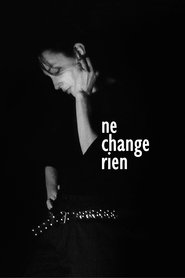
star 7.4One of the most important figures in contemporary cinema, Pedro Costa's celebrated music documentary is a mesmerizing portrait of French actress-turned-singer Jeanne Balibar, a transfixing, cigarette-smoking chanteuse with an intense devotion to her craft. Photographed in shimmering black-and-white and featuring a soundtrack of jazz-inflected pop songs, the film is a luminous exploration of the creative process.Making the Boys
2011
Making the Boys
2011
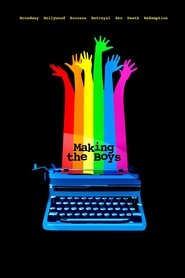
star 4.7Before Prop 8, Milk or Will & Grace, before the AIDS epidemic, gay pride parades or the Stonewall uprising, "The Boys in the Band" changed everything. "Making the Boys" explores the drama, struggle and enduring legacy of the first-ever gay play and subsequent Hollywood movie to successfully reach a mainstream audience. Featuring anecdotes from the surviving cast and filmmakers, as well as perspectives by legendary figures from stage and screen, it traces the behind-the-scenes drama and lasting legacy of this cultural milestone.Elton John - Goodbye Yellow Brick Road
2001
star 6.9The worlds of glitz, glam, and pop-rock fused immortally on Goodbye Yellow Brick Road, born of the formidable partnership of Elton John and Bernie Taupin. This 1973 double album may well have been the peak of their collaboration. Ranging from perennial favorites like "Candle in the Wind," "Bennie and the Jets," and the title track to more ambitious compositions like "Funeral for a Friend/Love Lies Bleeding" and everything in between, Goodbye is unmatched in its depth and scope. This entry in the Classic Albums series of DVDs documents the often tumultuous writing and recording sessions for that masterpiece through vintage clips of the musicians in the studio and new interviews with Elton, Bernie, producer Gus Dudgeon, and the band members. We may never know how the John-Taupin team achieved their magic, but this release offers a both a peek at the process and a few reasons why the album endures today.