Top Rated Documentary Movies - Page 463
All Services
Free Services
 Netflix
 Amazon Prime Video
 Apple iTunes
 Apple TV Plus
 Disney Plus
 Google Play Movies
 Paramount Plus
 Hulu
Hulu
 HBO Max
 YouTube
 fuboTV
 Peacock
 Peacock Premium
 Amazon Video
 The Roku Channel
 AMC+
AMC on Demand
AMC+
AMC on Demand
 Kocowa
 Hoopla
 The CW
 Vudu
Vudu
 Starz
Starz
 Showtime
 PBS
PBS
 Pantaflix
 FXNow
FXNow
 Tubi TV
 Kanopy
 Comedy Central
 Crunchyroll
 Microsoft Store
 Redbox
 Sun Nxt
 ABC
ABC
 DIRECTV
 Crackle
 Fandor
 Plex
Plex
Netflix
Amazon Prime Video
Apple iTunes
Apple TV Plus
Disney Plus
Google Play Movies
Paramount Plus
Hulu
HBO Max
YouTube
fuboTV
Peacock
Peacock Premium
Amazon Video
The Roku Channel
AMC+
AMC on Demand
Kocowa
Hoopla
The CW
Vudu
Starz
Showtime
PBS
Pantaflix
FXNow
Tubi TV
Kanopy
Comedy Central
Crunchyroll
Microsoft Store
Redbox
Sun Nxt
ABC
DIRECTV
Crackle
Fandor
Plex

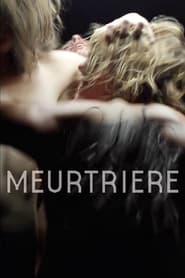
Murderess
2015
Murderess
2015
star 5.2In the second part of the trilogy on anxiety (in continuation of White Epilepsy), the only light source that reflects on the screen is the naked human body. Its surface, full of bones and muscles, flexes and vibrates in a frantic rhythm. The livelier the reflection, the deeper a viewer feels his/her mortality, as he recognizes between the convulsions the forces he/she cannot control.Home Stories
1990
Home Stories
1990
star 6.6This one is a collage of Hollywood melodramas of the 1950s and 1960s, filmed directly from the television set. The constantly recurring motifs of suspense and clichés of plot make it possible to move seamlessly among scenes from different films with different protagonists: uneasy sleep, getting up, listening at the door, turning on the lights, being startled, etc. In the montage, the movements and gestures of the actresses – stars like Lana Turner, Tippi Hedren, and Grace Kelly– seem choreographed and planned for each other. The soundtrack supports this effect with connecting passages of sound that imitate the stereotypes of the genre. The treatment concentrates the dramatic shift from the familiar to the eerie and shows how women become the victims of the voyeuristic glance of film.Becoming Bulletproof
2015
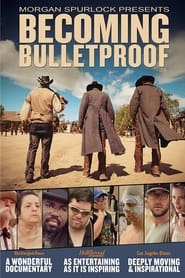
Becoming Bulletproof
2015
star 8.4A diverse group of disabled people from across the U.S. take on leading roles in a magical rip-roaring costume drama Western, filmed on vintage Hollywood locations. This riveting film within a film immerses us in a dynamic, inclusive world of discipline and play, raising questions about why we so rarely see real disabled actors on the big screen?Progress Island U.S.A.
1973
star 2.3The film presents a description of Puerto Rico of the late 1960s and early 1970s. It shows some of what the island had to offer at that time and explains that Puerto Rico is "American in every respect", except for its "360 days of sunshine", due to the results of Operation Bootstrap.Last Clear Chance
1959
Last Clear Chance
1959
star 2.6On the day young Alan receives his driver's license, Officer Hal Jackson visits the Dixon farm to sternly lecture the family on the dangers of carelessness at railroad crossings.Body Care and Grooming
1947
star 3.1This educational film emphasizes the importance of good grooming and personal hygiene habits. Clothes should always appear clean and neat, and should be appropriate to the classroom setting. (Inappropriate dress makes you uncomfortable and conspicuous, not a good thing!) The functions of the skin are examined in scientific detail. Methods for cleaning the skin are demonstrated. Besides maintaining skin and body health, good grooming habits will help you "fit in" in various social situations, and may even help a gal attract a boyfriend!Factory Complex
2015
Factory Complex
2015
star 7.8The drastic economic development in South Korea once surprised the rest of the world. However, behind of it was an oppression the marginalized female laborers had to endure. The film invites us to the lives of the working class women engaged in the textile industry of the 1960s, all the way through the stories of flight attendants, cashiers, and non-regular workers of today. As we encounter the vista of female factory workers in Cambodia that poignantly resembles the labor history of Korea, the form of labor changes its appearance but the essence of the bread-and-butter question remains still.Patience Labour
1985
Patience Labour
1985
star 3.6Interesting short documentary on young athletes in a Soviet ice skating program, some of whom are barely past toddler age. Kinetic and up close, the doc focuses on movement with music, eschewing interview and conversation, and mostly submerging political and social commentary.Hair Piece: A Film for Nappy Headed People
1984
star 5.6An animated satire on the question of self-image for African American women living in a society where beautiful hair is viewed as hair that blows in the wind and lets you be free. Lively tunes and witty narration accompany a quick-paced inventory of relaxers, gels, and curlers. This short film has become essential for discussions of racism, African American cinema, and empowerment.Istintobrass
2013
Istintobrass
2013
star 4.4One of the most controversial, original and loved figures of Italian cinema. The most censored director of all time. An anarchist of the film, a gifted experimenter, an inventor of dreams. A truly great artist.My Body
2002
My Body
2002
star 3.6A short documentary about a filmmaker's life and her relationship with her body.The Dark Side of Porn: Does Snuff Exist?
2006
star 7.4BBC look at whether or not Snuff films really exist. Snuff as defined by the FBI and the film is a film that shows some one being killed which was produced for gratification of the viewer who pays to see the film. The film takes a look at the start of the rumors of snuff films, the latching on by exploitation producers and how the ability of anyone to shoot video with things such as mobile phones and put them up on the Internet have made the existence of a such a film likely. A very good very reasoned film that isn't really that graphic (at least with actual footage) the film looks at the subject with filmmakers and law enforcement officials and relates the chilling tales of the people who actually set out to make a film for themselves. The key element is the profit motive since its clear that killers and other people have been using home video equipment to record their nasty deeds, we just don't know if money has changed hands. A film to make you think.In the Name of Reason
1979
star 8.1The infamous Hospital Colonia de Barbacena (Barbacena Colony Hospital), biggest mental institution of Brazil, once compared to concentration camps of Auschwitz ,opens its gates to a production crew during the country's dictatorship period. This short documentary depicts how mental patients were treated inside the institution and how anyone could end up an intern there for no plausible reason.Little Pioneers
1968
Little Pioneers
1968
star 6.1In SFRJ, the state officially takes care of all it's citizens. Every child is a good little pioneer. However, in reality no one (especially not the state) takes care of Roma and many other poor kids leaving them to poverty and the streets.The Unemployed
1968
The Unemployed
1968
star 5.1SFRJ is officially a place where everyone have a job and a house. The story follows hard labored workers who can't find a job, who bathe in public bathrooms and sleep in homeless centers.Vlast (Power)
2010
Vlast (Power)
2010
star 5.9The collapse of the Soviet Union led to a volatile but highly advantageous environment for young Russian businessmen eager to build the fledgling market economy by any means necessary. The most successful of these oligarchs was Mikhail Khodorkovsky, who quickly became the wealthiest man in Russia. But Khodorkovsky was invested not only in business, but also in true social reform and a new ideal of an open society, an attitude that ran afoul of the absolute rule of Vladimir Putin. Tracing Khodorkovsky's dramatic, ambiguous rise to power and subsequent fall at the hands of Putin's KGB-infested government, this probing, deeply troubling documentary reveals a nation still unsure of its commitment to economic and social liberties. - Written by Los Angeles Film FestivalScrum
2015
Scrum
2015
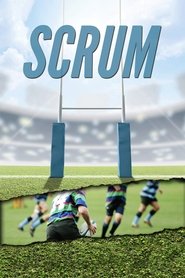
star 5.3"Scrum might technically refer to restarting a play in order to gain control of the ball, but it’s really about a group of guys packing close together in one place—in this case, gay rugby’s 7th Annual Bingham Cup in Sydney, with 1,000 participants from 15 countries. The documentary zeroes in on three determined gay athletes vying for a spot on the elite Sydney Convicts team: Aki, the Japanese outsider who worked tirelessly for two years so he could travel to Sydney; Brennan, a hunky Canadian jock who was built for contact sports but rejected by his former, straight teammates after they discovered he was gay; and Pearse, the Irish backpacker bullied in school, tired of being continually put down." - Brian BrombergerDolce
2000
Dolce
2000
star 6.2A documentary portrait of Miho Shimao, widow of renowned Japanese writer Toshio Shimao.Kampai! For the Love of Sake
2015
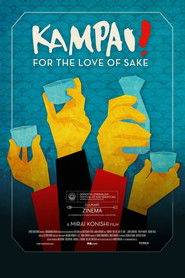
star 6.4An American journalist, a British sake brewer and the president of a centenary Japanese sake brewery join together to explore the mysterious world of sake, a generic name for Japanese rice wine, actually a sort of liquor. These unique individuals, fascinated by this extraordinary beverage, investigate the spectacular world that has grown around it thorough ages.