Top Rated Documentary Movies - Page 60
All Services
Free Services
 Netflix
 Amazon Prime Video
 Apple iTunes
 Apple TV Plus
 Disney Plus
 Google Play Movies
 Paramount Plus
 Hulu
Hulu
 HBO Max
 YouTube
 fuboTV
 Peacock
 Peacock Premium
 Amazon Video
 The Roku Channel
 AMC+
AMC on Demand
AMC+
AMC on Demand
 Kocowa
 Hoopla
 The CW
 Vudu
Vudu
 Starz
Starz
 Showtime
 PBS
PBS
 Pantaflix
 FXNow
FXNow
 Tubi TV
 Kanopy
 Comedy Central
 Crunchyroll
 Microsoft Store
 Redbox
 Sun Nxt
 ABC
ABC
 DIRECTV
 Crackle
 Fandor
 Plex
Plex
Netflix
Amazon Prime Video
Apple iTunes
Apple TV Plus
Disney Plus
Google Play Movies
Paramount Plus
Hulu
HBO Max
YouTube
fuboTV
Peacock
Peacock Premium
Amazon Video
The Roku Channel
AMC+
AMC on Demand
Kocowa
Hoopla
The CW
Vudu
Starz
Showtime
PBS
Pantaflix
FXNow
Tubi TV
Kanopy
Comedy Central
Crunchyroll
Microsoft Store
Redbox
Sun Nxt
ABC
DIRECTV
Crackle
Fandor
Plex

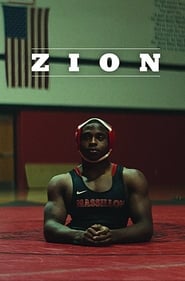
Zion
2018
Zion
2018
star 6.6A portrait of Zion Clark, a young wrestler who was born without legs and grew up in foster care.I Am Jane Doe
2017
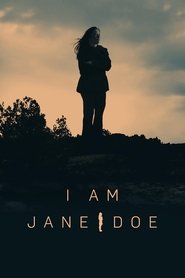
I Am Jane Doe
2017
star 5.7Chronicles the epic battle that several American mothers are waging on behalf of their middle-school daughters, victims of sex-trafficking on Backpage.com, the adult classifieds section that for years was part of the Village Voice.Comedy Central Roast of Pamela Anderson
2005
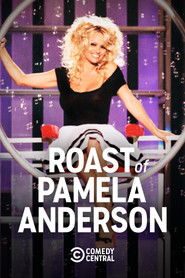
star 6.5Comedy Central's best roasters and stand up comedians take a whack at actor/model Pamela Anderson.Nazi Concentration Camps
1945
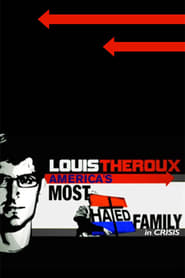
star 7.7Produced and presented as evidence at the Nuremberg war crimes trial of Hermann Göring and twenty other Nazi leaders, this film consists primarily of dead and surviving prisoners and of facilities used to kill and torture during the World War II.Louis Theroux: America's Most Hated Family in Crisis
2011
star 7.2Following up on his 2007 documentary, The Most Hated Family in America, Louis Theroux returns to Topeka, Kansas, for a week-long visit with the Westboro Baptist Church. He again joins the Phelps family on their controversial pickets where they try to antagonise communities with offensive slogans and anti-gay placards. But four years on from Louis's last visit, there are signs of disarray in the Phelps clan. A series of defections of family members has shaken up the church.Birth of the Living Dead
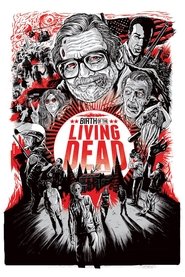
2013
star 6.7A behind the scenes look into George Romero's groundbreaking horror classic Night of the Living Dead.Emak-Bakia
1926
Emak-Bakia
1926
star 6.8Emak-Bakia (Basque for Leave me alone) is a 1926 film directed by Man Ray. Subtitled as a cinépoéme, it features many techniques Man Ray used in his still photography (for which he is better known), including Rayographs, double exposure, soft focus and ambiguous features. The film features sculptures by Pablo Picasso, and some of Man Ray's mathematical objects both still and animated using a stop motion technique.The Act of Seeing with One's Own Eyes
1972
star 6.3At a morgue, forensic pathologists conduct autopsies of the corpses assigned. "S. Brakhage, entering, WITH HIS CAMERA, one of the forbidden, terrific locations of our culture, the autopsy room. It is a place wherein, inversely, life is cherished, for it exists to affirm that no one of us may die without our knowing exactly why. All of us, in the person of the coroner, must see that, for ourselves, with our own eyes. It is a room full of appalling particular intimacies, the last ditch of individuation. Here our vague nightmare of mortality acquires the names and faces of OTHERS. This last is a process that requires a WITNESS; and what 'idea' may finally have inserted itself into the sensible world we can still scarcely guess, for the CAMERA would seem the perfect Eidetic Witness, staring with perfect compassion where we can scarcely bear to glance." – Hollis FramptonBeware of Mr. Baker
2012
Beware of Mr. Baker
2012
star 7.4Ginger Baker is known for playing in Cream and Blind Faith, but the world's greatest drummer didn’t hit his stride until 1972, when he arrived in Nigeria and discovered Fela Kuti's Afrobeat. After leaving Nigeria, Ginger returned to his pattern of drug-induced self-destruction, and countless groundbreaking musical works, eventually settling in South Africa, where the 73-year-old lives with his young bride and 39 polo ponies. This documentary includes interviews with Eric Clapton, Steve Winwood, Carlos Santana and more. Beware of Mr. Baker! With every smash of the drum is a man smashing his way through life.Klitschko
2011
Klitschko
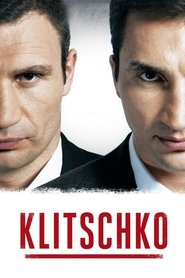
2011
star 6.8Klitschko tells the captivating story of the boxing worlds most famous brothers: Vitali and Wladimir Klitschko. From the socialist drill of their childhood in the Ukraine, and their first successes as amateurs, to their move to Germany and subsequent rise as international stars on the verge of holding the championship titles of all five boxing federations (Wladimir secured this with his unanimous World Boxing Association win against David Haye on July 2nd, 2011). Along the way they experience defeats and setbacks, low points and triumphant comebacks as well as conflicts with each other. Exciting conversations with companions and opponents, including the very first with the Klitschkos parents, give insight into their personal lives, plus never-before-seen footage of the draining preparations for a fight, and the spectacular boxing matches. Director Sebastian Dehnhardt composes an intimate and fascinating portrait of two exceptional athletes who are, before all else, brothers.Jackie Chan: My Stunts
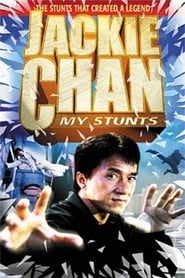
1999
star 7.2Jackie Chan: My Stunts shows some of the tricks of the trade that Jackie and his stunt team utilize to perform their stunts. This is not an endless gag reel of stunts gone wrong, but an in depth look at how timing and camera placement can make or break a shot. Jackie will show you what is done to enhance fights and protect the stuntmen from getting injured. Of course, if the character you are portraying is wearing shorts and a tank top, you just have to get hurt!Los Angeles Plays Itself
2004
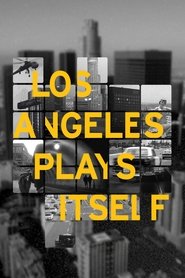
star 7.6From its distinctive neighborhoods to its architectural homes, Los Angeles has been the backdrop to countless movies. In this dazzling work, Andersen takes viewers on a whirlwind tour through the metropolis' real and cinematic history, investigating the myriad stories and legends that have come to define it, and meticulously, judiciously revealing the real city that lives beneath.Trinity and Beyond: The Atomic Bomb Movie
1995
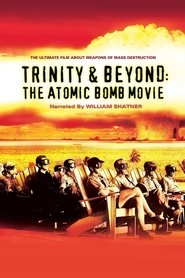
star 7.2"Trinity and Beyond" is an unsettling yet visually fascinating documentary presenting the history of nuclear weapons development and testing between 1945-1963. Narrated by William Shatner and featuring an original score performed by the Moscow Symphony Orchestra, this award-winning documentary reveals previously unreleased and classified government footage from several countries.Square One
2019
Square One
2019
star 8.6An investigation into the original 1993 Michael Jackson allegations brought by the Chandler family.Iron Fists and Kung Fu Kicks
2019
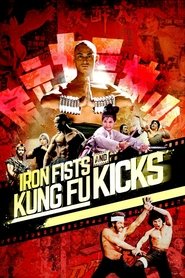
star 6.7The fantastic story of how an ancient martial art, Chinese kung fu, conquered the world through the hundreds of films that were produced in Hong Kong over the decades, transformed Western action cinema and inspired the birth of cultural movements such as blaxploitation, hip hop music, parkour and Wakaliwood cinema.Saving Capitalism
2017
Saving Capitalism
2017
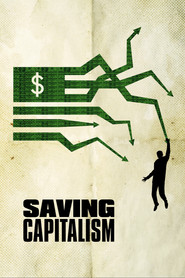
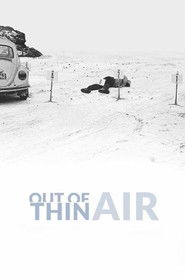
star 6.7Former Secretary of Labor Robert Reich meets with Americans from all walks of life as he chronicles a seismic shift in the nation's economy.Out of Thin Air
2017
Out of Thin Air
2017
star 5.9Set within the stark Icelandic landscape, OUT OF THIN AIR examines the 1976 police investigation into the disappearance of two men in the early 1970s.Chuck Norris vs Communism
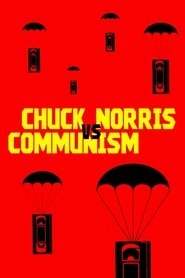
2015
star 7.1In late eighties, in Ceausescu's Romania, a black market VHS bootlegger and a courageous female translator brought the magic of Western films to the Romanian people and sowed the seeds of a revolution.Van Gogh: Painted with Words
2010
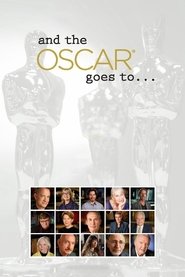
star 7.3A drama-documentary presented by Alan Yentob, with Benedict Cumberbatch in the lead role. Every word spoken by the actors in this film is sourced from the letters that Van Gogh sent to his younger brother Theo, and of those around him. What emerges is a complex portrait of a sophisticated, civilised and yet tormented man.And the Oscar Goes To...
2014
star 6.9The story of the gold-plated statuette that became the film industry's most coveted prize, AND THE OSCAR GOES TO... traces the history of the Academy itself, which began in 1927 when Louis B. Mayer, then head of MGM, led other prominent members of the industry in forming this professional honorary organization. Two years later the Academy began bestowing awards, which were nicknamed "Oscar," and quickly came to represent the pinnacle of cinematic achievement.