Top Rated Documentary Movies - Page 86
All Services
Free Services
 Netflix
 Amazon Prime Video
 Apple iTunes
 Apple TV Plus
 Disney Plus
 Google Play Movies
 Paramount Plus
 Hulu
Hulu
 HBO Max
 YouTube
 fuboTV
 Peacock
 Peacock Premium
 Amazon Video
 The Roku Channel
 AMC+
AMC on Demand
AMC+
AMC on Demand
 Kocowa
 Hoopla
 The CW
 Vudu
Vudu
 Starz
Starz
 Showtime
 PBS
PBS
 Pantaflix
 FXNow
FXNow
 Tubi TV
 Kanopy
 Comedy Central
 Crunchyroll
 Microsoft Store
 Redbox
 Sun Nxt
 ABC
ABC
 DIRECTV
 Crackle
 Fandor
 Plex
Plex
Netflix
Amazon Prime Video
Apple iTunes
Apple TV Plus
Disney Plus
Google Play Movies
Paramount Plus
Hulu
HBO Max
YouTube
fuboTV
Peacock
Peacock Premium
Amazon Video
The Roku Channel
AMC+
AMC on Demand
Kocowa
Hoopla
The CW
Vudu
Starz
Showtime
PBS
Pantaflix
FXNow
Tubi TV
Kanopy
Comedy Central
Crunchyroll
Microsoft Store
Redbox
Sun Nxt
ABC
DIRECTV
Crackle
Fandor
Plex

(T)ERROR
2015
(T)ERROR
2015
star 6.1This real-life look at FBI counterterrorism operations features access to both sides of a sting: the government informant and the radicalized target.Champs
2015
Champs
2015
star 6.5A documentary about the sport of boxing, as seen through the eyes of champions Mike Tyson, Evander Holyfield and Bernard Hopkins.Pantani: The Accidental Death of a Cyclist
2014
star 6.9In 1998 Marco Pantani, the most flamboyant and popular cyclist of his era, won both the Tour de France and Giro d'Italia, a titanic feat of physical and mental endurance that no rider has repeated since. He was a hero to millions, the saviour of cycling following the doping scandals which threatened to destroy the sport. However, less than six years later, aged just 34, he died alone, in a cheap hotel room, from acute cocaine poisoning. He had been an addict for five years. This is the story of the tragic battles fought by the most important Italian cyclist of his generation; man verses mountain, athlete verses addiction, Marco Pantani verses himself.Panorama of the Grand Canal Taken from a Boat
1896
star 5.9Filmed in 1896 by Alexandre Promio for the Lumière company, this short actuality presents one of the earliest traveling shots in cinema. With the camera mounted on a gondola, the film glides along Venice’s Grand Canal, capturing passing gondolas, bustling waterfront activity, and the city’s iconic architecture from a moving perspective. This simple yet groundbreaking technique introduced audiences to a new way of experiencing motion on screen.Sandow: The Strong Man
1894
star 4.9Eugen Sandow, who claims to be the strongest man in the world, appears in the Edison Company's film studio.Buffalo Dance
1894
Buffalo Dance
1894
star 4.6Long before Hollywood started painting white men red and dressing them as 'Injuns' Edison's company was using the genuine article! Featuring for what is believed to be the Native Americans first appearance before a motion picture camera 'Buffalo Dance' features genuine members of the Sioux Tribe dressed in full war paint and costume! The dancers are believed to be veteran members of Buffalo Bill's Wild West Show. Filmed again at the Black Maria studios by both Dickson and Heise the 'Buffalo Dance' warriors were named as Hair Coat, Parts His Hair and Last Horse. Its quite strange seeing these movies at first they all stand around waiting to begin and as they start some of the dancers look at the camera in an almost sad way at having lost their way of life.Reminiscences of a Journey to Lithuania
1996
star 7Jonas Mekas weaves an elegiac diary film from his 1971–72 return to Lithuania, chronicling a visit to his birthplace of Semeniškiai after decades in exile. Blending personal memory with documentary observation, the film becomes both a portrait of homecoming and a meditation on displacement, family, and the passage of time.Homework
1989
Homework
1989
star 7.5Young male students at a local Iranian school are asked about their feelings on homework.Kino Eye
1924
Kino Eye
1924
star 6.7This documentary promoting the joys of life in a Soviet village centers on the activities of the Young Pioneers. These children are constantly busy, pasting propaganda posters on walls, distributing hand bills, exhorting all to "buy from the cooperative" as opposed to the Public Sector, promoting temperance, and helping poor widows. Experimental portions of the film, projected in reverse, feature the un-slaughtering of a bull and the un-baking of bread.Casting By
2012
Casting By
2012
star 6.9This essential new documentary pays tribute to the legacy of the late, legendary casting director Marion Dougherty and shines a light on one of the most overlooked and least understood crafts in filmmaking.Junkopia
1981
Junkopia
1981
star 5.9Filmed along the Emeryville Mudflats near San Francisco, Junkopia captures a landscape of sculptural installations made from driftwood and discarded materials. Chris Marker, John Chapman, and Frank Simeone transform these ephemeral artworks—set against highways and the distant city—into a quiet meditation on art, decay, and the modern environment.Let There Be Light
1946
Let There Be Light
1946
star 7.4The final entry in a trilogy of films produced for the U.S. government by John Huston. Some returning combat veterans suffer scars that are more psychological than physical. This film follows patients and staff during their treatment. It deals with what would now be called PTSD, but at the time was categorised as psychoneurosis or shell-shock. Government officials deemed this 1946 film counterproductive to postwar efforts; it was not shown publicly until 1981.More Brains! A Return to the Living Dead
2011
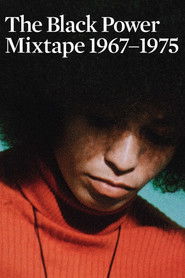
star 7.4Retrospective documentary about the making of the horror cult classic "The Return of the Living Dead."The Black Power Mixtape 1967-1975
2011
star 7.6Examines the evolution of the Black Power Movement in US society from 1967 to 1975. It features footage of the movement shot by Swedish journalists in the United States during that period and includes the appearances of Angela Davis, Bobby Seale, Huey P. Newton, Eldridge Cleaver, and other activists, artists, and leaders central to the movement.The Arbor
2010
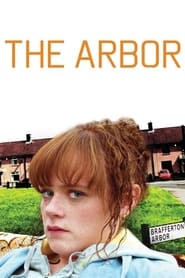
The Arbor
2010
star 7.2The lives of the late Bradford playwright Andrea Dunbar and Lorraine, one of her daughters, and the community of Bradford, in the 30 years since the 18-year-old Andrea penned a play about growing up in the community titled "The Arbor".Transcendent Man
2009
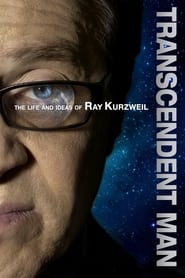
Transcendent Man
2009
star 6.7The compelling feature-length documentary film, by director Barry Ptolemy, chronicles the life and controversial ideas of luminary Ray Kurzweil. For more than three decades, inventor, futures, and New York Times best-selling author Ray Kurzweil has been one of the most respected and provocative advocates of the role of technology in our future.Safe Journey
1993
Safe Journey
1993
star 7.7Latcho Drom is a vista of the music, culture, and journey of the Romani people—from their homeland of India, to Europe and Southwest Asia.Lake of Fire
2006
Lake of Fire
2006
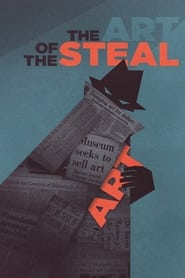
star 7An unflinching look at the how the battle over abortion rights has played out in the United States over the last 15 years.The Art of the Steal
2010
The Art of the Steal
2010
star 7A gripping tale of intrigue and mystery in the art world, this film traces the history of a collection of Post-Impressionist paintings - worth billions - which became the subject of a power struggle after the death of its owner. Dr. Albert Barnes.The Memphis Belle
1944
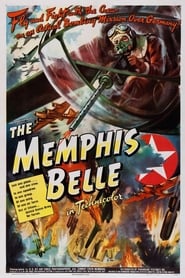
The Memphis Belle
1944
star 6.6This WW2 documentary centers on the crew of the American B-17 Flying Fortress Memphis Belle as it prepares to execute a strategic bombing raid on Nazi submarine pens in Wilhelmshaven, Germany.