Top Rated History Movies - Page 231
All Services
Free Services
 Netflix
 Amazon Prime Video
 Apple iTunes
 Apple TV Plus
 Disney Plus
 Google Play Movies
 Paramount Plus
 Hulu
Hulu
 HBO Max
 YouTube
 fuboTV
 Peacock
 Peacock Premium
 Amazon Video
 The Roku Channel
 AMC+
AMC on Demand
AMC+
AMC on Demand
 Kocowa
 Hoopla
 The CW
 Vudu
Vudu
 Starz
Starz
 Showtime
 PBS
PBS
 Pantaflix
 FXNow
FXNow
 Tubi TV
 Kanopy
 Comedy Central
 Crunchyroll
 Microsoft Store
 Redbox
 Sun Nxt
 ABC
ABC
 DIRECTV
 Crackle
 Fandor
 Plex
Plex
Netflix
Amazon Prime Video
Apple iTunes
Apple TV Plus
Disney Plus
Google Play Movies
Paramount Plus
Hulu
HBO Max
YouTube
fuboTV
Peacock
Peacock Premium
Amazon Video
The Roku Channel
AMC+
AMC on Demand
Kocowa
Hoopla
The CW
Vudu
Starz
Showtime
PBS
Pantaflix
FXNow
Tubi TV
Kanopy
Comedy Central
Crunchyroll
Microsoft Store
Redbox
Sun Nxt
ABC
DIRECTV
Crackle
Fandor
Plex

Improper Conduct
1984
Improper Conduct
1984
star 4.8The story of the persecution of homosexuals and intellectuals in Cuba under Fidel Castro's dictatorship, from the beginning of the Cuban Revolution (1953-59) until the early 1980s. Interviews with relevant personalities of Cuban culture who suffered persecution demonstrate that concentration camps for gays existed in Cuba.The First World War From Above
2010
star 7.7The story of the Great War told from a unique new aerial perspective. Featuring two remarkable historical finds, including a piece of archive footage filmed from an airship in summer 1919, capturing the trenches and battlefields in a way that has rarely been seen before. It also features aerial photographs taken by First World War pilots - developed for the first time in over ninety years - that show not only the devastation inflicted during the fighting, but also quirks and human stories visible only from above.Mayerling
1957
Mayerling
1957
star 5.5Mayerling is the name of a notorious Austrian village linked to a romantic tragedy. At a royal hunting lodge there, in 1889, Crown Prince Rudolf--desperate over his father's command to put away his teenage mistress, the Baroness Marie Vetsera--shot her to death and killed himself. The misfortune may indeed have been a murder-suicide, but perhaps it was a political assassination, or even the result of a lunatic family vendetta: scholarship is still catching up with the facts.A World of Love
2003
A World of Love
2003
star 3The film deals with the true events which happened in 1949 in Italy, when then-schoolteacher Pier Paolo Pasolini was accused of soliciting three underage boys.Carmel
2009
Carmel
2009
star 7Israeli filmmaker Amos Gitaï offers a look impressionist long history of armed conflict in their nation.The Moving True Story of a Woman Ahead of Her Time
2001
star 7Frisian-spoken costume drama about the turbulent marriage between a writer and a socialist politician.Rákóczi's Lieutenant
1954
Rákóczi's Lieutenant
1954
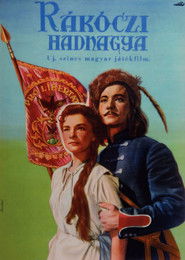
star 8.21708 János Bornemissza became the master of stras of Blind Bottyán from a raiding Kuruk. His weapon is driven by patriotism and love for Anna Bíró, the most beautiful girl in réthe. The captured Count Starhemberg takes the Labanc general to the Prince himself, and thus becomes Rákóczi's lieutenant. In the meantime, Réthe falls into the hands of a Laban for treason, and Anna is sent to the stocks. Suhajda, the lecherous hajdú, now thinks he can get the girl for himself. Anna sends a message to John with her brother, and at the call of the prisoners, Rákóczi's army marches. They encounter the enemy along the Váh. The Kuruks celebrate their victory with the wedding of Anna and János.The Uprising
1966
The Uprising
1966
star 6.8After years of deplorable conditions of poverty and injustice, peasants revolt against the landowners, the social elite, and police in this routine social drama. A peasant woman is raped by a lecherous wealthy lesbian, and chaos breaks out in the rural areas where the poor suffer the most from the oppressive social and economic conditions.Friends, Comrades
1990
Friends, Comrades
1990
star 5The boisterous good humor of Jurmala, the nickel-mine owner, is, if anything, only barely dented by the raging battles in Finland before, during and after World War Two. In fact, everywhere he goes, he meets prospective customers on all sides of the conflict with his all-inclusive greeting "Friends, Comrades." Indeed, the resource he is wrenching from the earth's bowels is necessary to all forms of industrial activity, and is especially necessary for military applications. Thus, he has no reason to fear that he will ever run out of customers. This doesn't prevent him from using every possible means to entice them. At home, his relationship with his wife is not so prosperous, and they resort to some extraordinary means to try and keep on an even keel.All This and World War II
1976
star 5.2Peter Gabriel is among the rockstars performing the music of Lennon and McCartney against a montage of World War II newsreel footage.1776, or The Hessian Renegades
1909
star 5.2During the American Revolution, a young soldier carrying a crucial message to General Washington is spotted and pursued by a group of enemy soldiers. He takes refuge with a civilian family, but is soon detected. The family and their neighbors must then make plans to see that the important message gets through after all.Salomé
1910
Salomé
1910
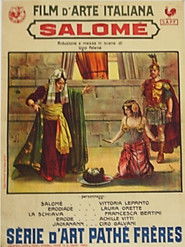
star 5.4Based on Oscar Wilde's version of the story, what is noteworthy is the sheer luxury of the production, an attempt to capture the wild and weird Aubrey Beardsley illustrations that transfigure the work. The sets are elaborate, with stonework and palm trees and draperies. There seem to be dozens of dress extras, courtiers at Salome's dance and soldiers.Agrippina
1911
Agrippina
1911
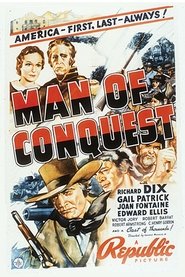
star 5.2In "Agrippina" (1910), Guazzoni recreates the particular and troublesome relationship between Agrippina, the second wife of the Emperor Claudius, and her son Nero.Man of Conquest
1939
Man of Conquest
1939
star 5The story of Sam Houston, hero of the Texas revolution, statesman, and first president of the Republic of Texas.Saint Joan the Maid
1929
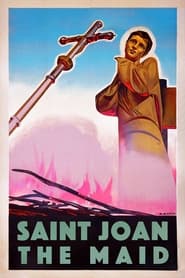
Saint Joan the Maid
1929
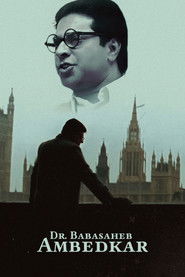
star 6.3This relatively straightforward dramatic biography was one of two films commissioned to honor Joan of Arc on the 500th anniversary of her death, but it was soon undeservedly relegated to obscurity in favor of Carl Dreyer's triumphant 'La Passion de Jeanne d'Arc'. The comparison is unfair: Dreyer was an artist, but director Marco de Gastyne certainly proved himself a distinguished craftsman, and his emphasis on the Maid of Orléans early life in Domrémy serves as a picturesque, matching bookend to Dreyer's impassioned courtroom drama.Dr. Babasaheb Ambedkar
2000
star 7.8The movie tells the story of Dr. B. R. Ambedkar, known mainly for his contributions in shaping the Constitution of India, as the chairman of the Drafting Committee of the Indian Constituent Assembly. He dedicated his life to fight against the evils of untouchability.Quo Vadis?
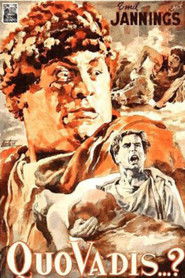
1924
Quo Vadis?
1924
star 5.8"The Roman Banquet, the golden glories, the unrivaled luxuries, the wine, the dance, the song, the beautiful women, the sumptuous splendors that taxed a barbaric world for a night of feasting and revel-- Re-created for your entertainment in the most colossal drama produced", reads an ad in the Daily Argus of New York. Unione Cinematografica Italiana's lavish production of the oft-told tale stars Emil Jannings as Nero.The Pursuit of Happiness
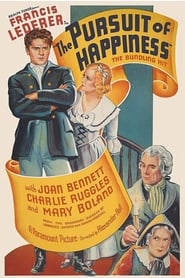
1934
star 5.8Lederer is a Hessian soldier who defects to the Americans during the Revolutionary War.He falls in love with a Yankee girl, but a thuggish local militiaman jealously makes things hard for him while he's a prisoner of war.Question 7
1961
Question 7
1961
star 5.5Suspenseful story of a boy and his father, each forced to decide his future on his willingness to stand up for what he believes.Vikings: Journey to New Worlds
2004
star 6.4Filmmaker Marc Fafard examines the historical and cultural significance of the seafaring Vikings.