Top Rated History Movies - Page 284
All Services
Free Services
 Netflix
 Amazon Prime Video
 Apple iTunes
 Apple TV Plus
 Disney Plus
 Google Play Movies
 Paramount Plus
 Hulu
Hulu
 HBO Max
 YouTube
 fuboTV
 Peacock
 Peacock Premium
 Amazon Video
 The Roku Channel
 AMC+
AMC on Demand
AMC+
AMC on Demand
 Kocowa
 Hoopla
 The CW
 Vudu
Vudu
 Starz
Starz
 Showtime
 PBS
PBS
 Pantaflix
 FXNow
FXNow
 Tubi TV
 Kanopy
 Comedy Central
 Crunchyroll
 Microsoft Store
 Redbox
 Sun Nxt
 ABC
ABC
 DIRECTV
 Crackle
 Fandor
 Plex
Plex
Netflix
Amazon Prime Video
Apple iTunes
Apple TV Plus
Disney Plus
Google Play Movies
Paramount Plus
Hulu
HBO Max
YouTube
fuboTV
Peacock
Peacock Premium
Amazon Video
The Roku Channel
AMC+
AMC on Demand
Kocowa
Hoopla
The CW
Vudu
Starz
Showtime
PBS
Pantaflix
FXNow
Tubi TV
Kanopy
Comedy Central
Crunchyroll
Microsoft Store
Redbox
Sun Nxt
ABC
DIRECTV
Crackle
Fandor
Plex

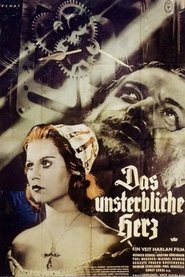
The Immortal Heart
1939
The Immortal Heart
1939
star 6.5Nuremberg durting the time of Albrecht Durer and the famous geographer Martin Behaim: the locksmith Peter Henlein is looking for a way to make bullets more accurate by designing a new form. Just as he welds together two round balls into an elongated shape, he believes he's discovered that his assistant Konrad is trying to alienate his wife from him. There is a struggle, during which Henlein's new kind of bullet strikes him in the chest. The doctor, unaware that there are two bullets lodged in his body, because there was only one shot, only removes one.Trenck, der Pandur
1940
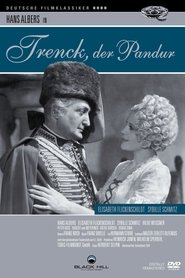
Trenck, der Pandur
1940
star 5.2Film about the fictitious adventures of Franz Freiherr von Trenck, who lived during the times of empress Maria Theresia of Austria garnished with espionage and twisted love affairs.Tage des Sturms
2003
Tage des Sturms
2003
star 3On June 17, 1953, there was an outrageous action between the Elbe and the Oder: the people in the GDR refused obedience to their political leadership. The story takes place in Bitterfeld and tells the story of a family involved in the political events around 17 June.An Actor's Revenge
1935
An Actor's Revenge
1935
star 5.2An onnagata (female impersonator) of a Kabuki troupe avenges his parents' deaths. Remade in 1963 as Yukinojô Henge.Clara Immerwahr
2014
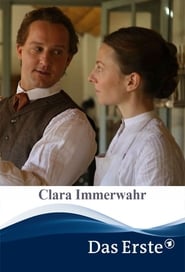
Clara Immerwahr
2014
star 6.8Clara Immerwahr and her husband to be Fritz Haber are both young and gifted chemists. Their struggle for acknowledgment in nationalistic Germany during World War I lead to the development and use of the first chemical weapons.Khan Asparukh - Part II - The Migration
1981
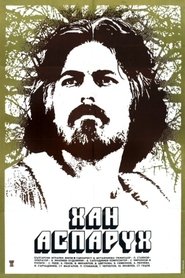
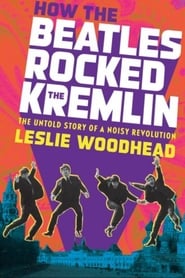
star 7.2This is an epic screen presentation showing the creation, the consolidation and the power of First Bulgarian Kingdom and the first Bulgarian ruler Khan Asparuh. The second part of the great historical epic - "The Migration" - tells about the long journey to the land of the Bulgarians of today's Bulgaria. Here the young Khan Asparukh laid the foundations of the new state. The authors adhere to the established historical versions for this event. The film builds on the impressive mass scenes and the convincing served psychological characteristics of the main characters. The image of Asparoukh is a natural center of the story, in which many minor persons recreate the environment of the Khan. Romantic exalted, Asparukh is shown as capable leader of the people, consistently implement his own ideas.How the Beatles Rocked the Kremlin
2009
star 6.5In August 1962, director Leslie Woodhead made a two-minute film in Liverpool's Cavern Club with a raw and unrecorded group of rockers called the Beatles. He arranged their first live TV appearances on a local show in Manchester and watched as the Fab Four phenomenon swept the world. Twenty-five years later while making films in Russia, Woodhead became aware of how, even though they were never able to play in the Soviet Union, the Beatles' legend had soaked into the lives of a generation of kids. This film meets the Soviet Beatles generation and hears their stories about how the Fab Four changed their lives, including Putin's deputy premier Sergei Ivanov, who explains how the Beatles helped him learn English and showed him another life. (Storyville)Judgement of God
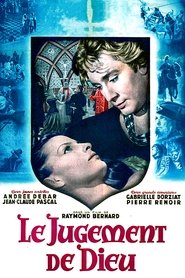
1952
Judgement of God
1952
star 5Bavaria, 1433. Reason of state rules that Prince Albert is to marry Princess Bertha of Wurtemberg. But the fine-looking young man is loath to become the husband of a woman with pimples,flat feet and no breast. Nevertheless, he has to obey his authoritarian father, Duke Ernest, and accompanied by faithful Count Törring, he mounts his steed and sets out for Würtemberg. Stopping in Augsburg, he falls in love with the daughter of a local barber-surgeon, pure and beautiful Agnès Bernauer. The couple is soon secretly married and both take refuge at the castle of Margravine Josepha, Albert's aunt, waiting for Ernest's consent. Unluckily Albert's father will not accept his son's union with a commoner and Albert, supported by Josepha and an army of common people, declares war on the Duke. They seem about to be victorious when Brother Enrique, a monk formerly in the Holy Inquisition, finds a way to reverse the situation: accusing Agnès of witchcraft...Fridericus
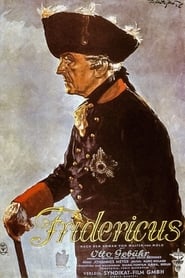
1937
Fridericus
1937
star 5In 18th century Europe, King Friedrich II of Prussia leads his army through the seven-years-war with neighboring states, and after numerous near defeats, eventually brings a victorious army back to Berlin.Invasion 1700
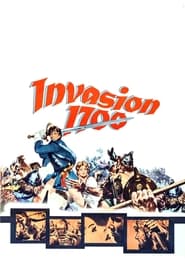
1962
Invasion 1700
1962
star 5.8Set in 18th-century Eastern Europe, the film concerns the star-crossed romance between a Polish military officer and a gorgeous Slavic princess. The princess' vengeful lover cuts a path of death and destruction throughout the land.Women Are Better Diplomats
1941
star 5.2A seductive dancer (Marika Rökk) helps her uncle to fight against the closing of his casino. Through her feminine charm she achieves diplomatic success.The Uprising
1999
The Uprising
1999
star 4.3In the late 19th century Catholicism was gaining a foothold on Jeju island, much to the horror of the Confucian community, who were seeing their influence diminishing as well as getting increased taxes from Catholic-friendly government officers. The conflict became a religious war that resulted in a rebel Confucian army massacring hundreds of Christians in little more than a matter of days. The Uprising details the events leading up to the assault, focusing on the story of Yi Jae-su, the young man destined to become the leader of the rebel army.A Blind Hero: The Love of Otto Weidt
2014
star 7.2A Blind Hero depicts Otto Weidt's story as told by award-winning journalist and author Inge Deutschkron, who tells the incredible tale of Weidt's efforts to save her and the rest of his employees from the Nazis, including Alice Licht, the love of Otto Weidt's life.The Technique and the Rite
1972
star 5The narrative concerns the barbaric exploits of Attila The Hun and yet none of the characters ever leave the remote seaside stretch of land on which the film is set or do much of anything – with the ensuing moralizing interrupted only by the occasional (and equally obscure) music-infused rites.Felicitas
2009
Felicitas
2009
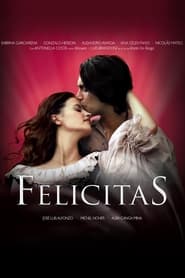
star 4.5Buenos Aires at the outskirts of XIX century. A society rigid in patriarchal rules. A war between brothers of Argentina, Brazil, Uruguay and Paraguay. Two young and very much in love youngsters, fight for their right to be together. Obeyance and fear sets them apart along more than ten years. When they are finally reunited, will they be able to overcome the pain and tragedy that haunts them?Veerapandiya Kattabomman
1959
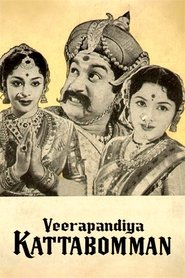
star 6.2After the East India Company forces Kattabomman, the king of Panchalankurichi, to pay taxes and be their subordinate, the latter decides to fight against them.The Magic Face
1951
The Magic Face
1951
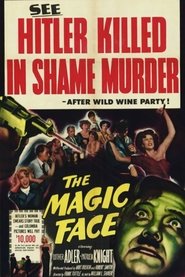
star 6.8Actor becomes Hitler's valet, murders him, takes his place and ruins Nazi Germany's war efforts.Silvery Wind
1956
Silvery Wind
1956
star 5.6Second half of the 19th century. In a small town in South Bohemia, fifth-former Jan Ratkin is living through the confusions of first love together with his classmates.Allegro Barbaro
1979
Allegro Barbaro
1979
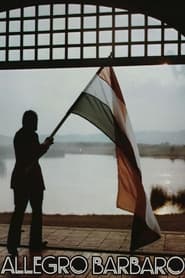
star 6.6Zsadányi flees from the authorities with his goddaughter, Bankós Mari, and they escape into the forest. The film then skips ahead thirty-fold years: Zsadány and Mari are now lovers, with the sound of war in the background halting their romance. The old friends of Zsadányi have joined with the Nazis, and the landowner living with his peasants in a socialist community grows distant from them. Zsadányi is held responsible for political problems in the country, and will pay with his life.Ellis Island
1981
Ellis Island
1981
star 5.8Meredith Monk's "Ellis Island" is a haunting, reflective piece on Ellis Island and the immigrants who passed through there.