Top Rated History Movies on Amazon Video - Page 109
All Services
Free Services
 Netflix
 Amazon Prime Video
 Apple iTunes
 Apple TV Plus
 Disney Plus
 Google Play Movies
 Paramount Plus
 Hulu
Hulu
 HBO Max
 YouTube
 fuboTV
 Peacock
 Peacock Premium
 Amazon Video
 The Roku Channel
 AMC+
AMC on Demand
AMC+
AMC on Demand
 Kocowa
 Hoopla
 The CW
 Vudu
Vudu
 Starz
Starz
 Showtime
 PBS
PBS
 Pantaflix
 FXNow
FXNow
 Tubi TV
 Kanopy
 Comedy Central
 Crunchyroll
 Microsoft Store
 Redbox
 Sun Nxt
 ABC
ABC
 DIRECTV
 Crackle
 Fandor
 Plex
Plex
Netflix
Amazon Prime Video
Apple iTunes
Apple TV Plus
Disney Plus
Google Play Movies
Paramount Plus
Hulu
HBO Max
YouTube
fuboTV
Peacock
Peacock Premium
Amazon Video
The Roku Channel
AMC+
AMC on Demand
Kocowa
Hoopla
The CW
Vudu
Starz
Showtime
PBS
Pantaflix
FXNow
Tubi TV
Kanopy
Comedy Central
Crunchyroll
Microsoft Store
Redbox
Sun Nxt
ABC
DIRECTV
Crackle
Fandor
Plex

Albert Einstein: Still a Revolutionary
2020
star 6Using a wealth of rarely-seen archival footage, correspondence, and new and illuminating interviews, Julia Newman makes the case that Albert Einstein's example of social and political activism is as important today as are his brilliant, groundbreaking theories.The Secret File Of Marco Polo
2015
star 5While it has been debated for many years, new evidence might finally put one debate to rest: Marco Polo has gone to China. Explore the mysteries of the historical figure in this documentary.Walter Winchell: The Power of Gossip
2020
star 10The life and times of radio commentator and syndicated newspaper gossip columnist Walter Winchell, who reached an audience of 50 million at his peak.Secret Societies
2007
Secret Societies
2007
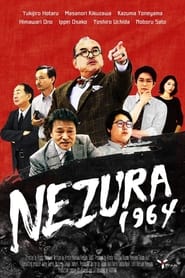
star 5Philip Gardiner has spent his life on a crusade uncovering the truth behind myths, legends and ancient mysteries. In Secret Societies, Gardiner's quest is to uncover truths and secrets of the world's most powerful men in history. Gardiner delves into a world that is formidably hidden from our eyes and finds himself in situations that seem to mirror the fictional world of the Da Vinci Code. Discover the core of the 'Secret Societies' belief systems. Explore the secret origins of Freemasonry and the links to Serpent Cults. Examine the actual members of the "Illuminati," analyze the history of the group in Europe and America.Nezura 1964
2020
Nezura 1964
2020
star 6A biopic based on the production of Daiei's Giant Horde Beast Nezura, the scrapped precursor to Gamera.Meeting Neanderthal
2019
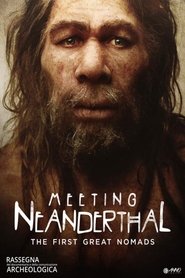
Meeting Neanderthal
2019
star 5Long before the arrival of Homo Sapiens, the Neanderthals wandered the vast European plains, and regularly drowned into the Ice Ages. Several discoveries, in France and England, and especially on the island of Jersey, now allow archaeologists to understand the lifestyle of those first great nomads of Europe, that lasted 300.000 years.Liberty & Slavery
2016
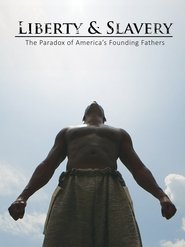
Liberty & Slavery
2016
star 5America's Founding Fathers were yearning for a nation of individual liberty. But, the origins of America were overflowing with a deep-seated paradox. The Founding Fathers were rallying the colonists to liberty, while many were slave owners.Fish & Men
2019
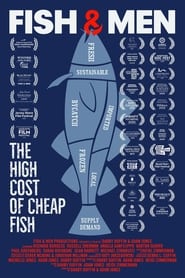
Fish & Men
2019
star 3Fish & Men exposes the high cost of cheap fish in the modern seafood economy and the forces threatening local fishing communities and public health by revealing how our choices as consumers drive the global seafood trade. But, a new movement is underway – an opportunity to return sustainability to both fish and fishermen. Thriving on local communities, pioneering fishermen and celebrated chefs are leading a revolutionary new model, a ‘Catch of the Day’ revival based on local, seasonal, sustainable fish and reconnect us with those who risk their lives to harvest the bounties of the sea. Featuring the owners of Mac’s Seafood on Cape Cod and the Gloucester, Massachusetts fishing community.Rashi: A Light After The Dark Ages
1999
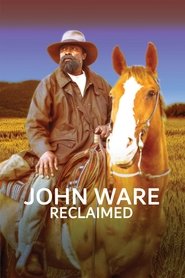
star 1A winemaker overcomes the ignorance and illiteracy of his era to become a Torah commentator who defends the right to spiritual choice and freedom in the 11th century.John Ware Reclaimed
2020
John Ware Reclaimed
2020
star 8Filmmaker Cheryl Foggo re-examines the story of John Ware, the Black cowboy who settled in Alberta, Canada, prior to the turn of the 20th century.Strangers To The World
2020
star 5A short documentary about the lives of Etty Hillesum and Franz Jaegerstaetter.Secrets of Stonehenge
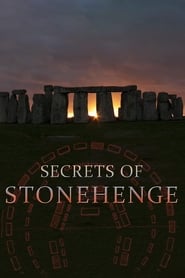
2010
star 8Dated to the late Stone Age, Stonehenge may be the best-known and most mysterious relic of prehistory. Every year, a million visitors are drawn to England to gaze upon the famous circle of stones, but the monument's meaning has continued to elude us. Now investigations inside and around Stonehenge have kicked off a dramatic new era of discovery and debate over who built Stonehenge and for what purpose. How did prehistoric people quarry, transport, sculpt, and erect these giant stones? Granted exclusive access to the dig site at Bluestonehenge, a prehistoric stone-circle monument recently discovered about a mile from Stonehenge, NOVA cameras join a new generation of researchers finding important clues to this enduring mystery.Masterpiece or Forgery? The Story of Elmyr De Hory
2008
star 0.5Elmyr de Hory was called "The Myth of our Century" when he was revealed as a master forger in 1968. Born in 1905, he made an estimated 1000 fake paintings, primarily in the style of the post-impressionists before he died - or disappeared - in 1976. In addition to faking paintings, Elmyr de Hory often faked his own identity, and traveled easily throughout Europe's high society.Shchelkin: Godfather of the First Atomic Bomb
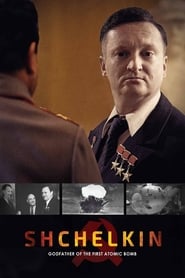
2019
star 10Kirill Ivanovich Shchelkin is not well-known among the most honored scientists of the Soviet Union. Meanwhile, Shchelkin was one of the main creators of atomic and hydrogen bombs, one of the founders of modern cosmonautics, three times a hero of Socialist labor, a man whom Igor Kurchatov called ‘The Godfather of the atomic bomb.’ The scientific research of Shchelkin and his colleagues, without exaggeration, saved the world from a third world war and ensured a peaceful life not only in Russia, but for all mankind.Urartu: The Forgotten Kingdom
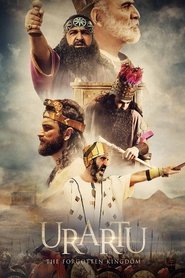
2020
star 10In the Bible, Urartu was the most ancient state on Earth. It was there where Noah’s ark stopped, and there where humanity found its salvation. The locals had a developed culture, economy, astronomy, and religious life. According to scientists’ latest discoveries, the culture of Urartu was the most advanced in the ancient world. And it had a great impact on the Persian Empire of the Achaemenids and ancient Greece. Due to a lack of research, Urartu is probably one of the most mysterious states in history. This documentary will introduce us to its unique background.The Johnstown Flood
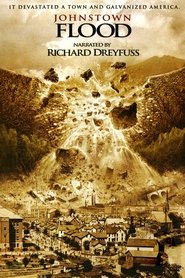
2003
The Johnstown Flood
2003
star 6On a stormy day in May of 1889, the South Fork Dam impounding Conemaugh Lake exploded, unleashing a 40-foot wall of water. The bustling industrial city of Johnstown, PA, in the valley below was reduced to a wasteland, killing more than 2,200. This heavily dramatized documentary reviews the factors that led to the dam's collapse, while dramatic reenactments and survivors' personal testimonies detail the horror.Atomic Fracking in Wyoming: The Story of Project Wagon Wheel
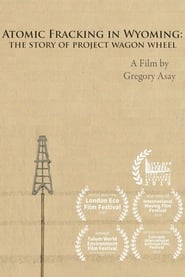
2019
star 6In the 1960s, the US government came up with an experimental plan supported by the oil companies to try using nuclear explosions to extract natural gas in the American West. The tests set for Wyoming were known as the Wagon Wheel Project.Jack Jonah
2019
Jack Jonah
2019
star 2This film follows the path of the Jonah Family in remembrance of the loss of their son, Jack, to a heroin overdose. The film brings awareness to the drug/opioid crisis in Massachusetts and the world itself. Focusing on Jack's Family and people they meet along the way, it shows different types of grief, the signs of an addiction we may miss, and how we can inspire courage to be contagious.Stateless
2020
Stateless
2020
star 5Director Michèle Stephenson’s new documentary follows families of those affected by the 2013 legislation stripping citizenship from Dominicans of Haitian descent, uncovering the complex history and present-day politics of Haiti and the Dominican Republic through the grassroots electoral campaign of a young attorney named Rosa Iris.We Weren't Given Anything for Free
2014
star 7Annita Malavasi was just 22 when the Germans occupied Italy, their former allies, in 1943. As a partisan in the Italian resistance named “Laila”, she moved throughout the Apennines with and between fighting units, delivering information, transporting weapons, and taking part in battles. She spent over a year in the Apennines, fighting against the German occupation. At the same time, she had to assert herself against the men of the mountain villages. By the end of the war, Laila had risen among the ranks to become one of the few female commanders in the Italian resistance. This film chronicles the story of a lifelong struggle for emancipation that began with the battle for Italy’s liberation from fascism. Laila and her two comrades, Gina “Sonia” Moncigoli and Pierina “Iva” Bonilauri talk about their time in the Resistenza and what it meant to them and many other women.