Top Rated History Movies on Amazon Video - Page 112
All Services
Free Services
 Netflix
 Amazon Prime Video
 Apple iTunes
 Apple TV Plus
 Disney Plus
 Google Play Movies
 Paramount Plus
 Hulu
Hulu
 HBO Max
 YouTube
 fuboTV
 Peacock
 Peacock Premium
 Amazon Video
 The Roku Channel
 AMC+
AMC on Demand
AMC+
AMC on Demand
 Kocowa
 Hoopla
 The CW
 Vudu
Vudu
 Starz
Starz
 Showtime
 PBS
PBS
 Pantaflix
 FXNow
FXNow
 Tubi TV
 Kanopy
 Comedy Central
 Crunchyroll
 Microsoft Store
 Redbox
 Sun Nxt
 ABC
ABC
 DIRECTV
 Crackle
 Fandor
 Plex
Plex
Netflix
Amazon Prime Video
Apple iTunes
Apple TV Plus
Disney Plus
Google Play Movies
Paramount Plus
Hulu
HBO Max
YouTube
fuboTV
Peacock
Peacock Premium
Amazon Video
The Roku Channel
AMC+
AMC on Demand
Kocowa
Hoopla
The CW
Vudu
Starz
Showtime
PBS
Pantaflix
FXNow
Tubi TV
Kanopy
Comedy Central
Crunchyroll
Microsoft Store
Redbox
Sun Nxt
ABC
DIRECTV
Crackle
Fandor
Plex

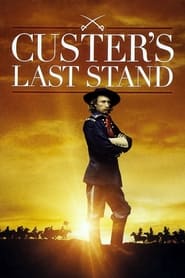
Custer's Last Stand
2012
Custer's Last Stand
2012
star 7Follow General George Armstrong Custer from his memorable, wild charge at Gettysburg to his lonely, untimely death on the windswept Plains of the West. On June 26, 1876, Custer, a reputation for fearless and often reckless courage ordered his soldiers to drive back a large army of Lakota and Cheyenne warriors. By day's end, Custer and nearly a third of his army were dead.The Devils of Loudun
1969
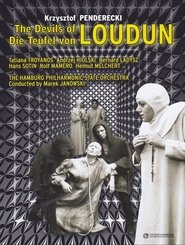
The Devils of Loudun
1969
star 8This opera revolves around the demonic collective possession suffered by the Ursuline nuns in the convent of Loudun in 1634. The story concentrates on the handsome but doomed Urbain Grandier who fights against fanaticism and evil.Far Western
2017
Far Western
2017
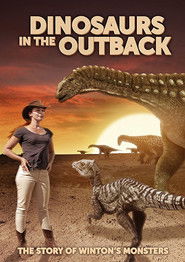
star 4The phenomenal story of the transplant of American country music to post-World War II Japan.Dinosaurs in the Outback
2016
star 6Dinosaurs in the Outback features the often dramatic evidence which proves that Australia was once a place where dinosaurs roamed in vast numbers.William The Conqueror
2013
star 1Blending drama with the explanations of passionate historians and specialists, this enriched historical reconstruction traces 60 years in the life a man who transformed the Middle Ages and laid the foundation of modern Europe, William The Conqueror.Conlanging: The Art of Crafting Tongues
2017
star 5A deep dive into the hidden world of constructed languages and the fascinating people who make them.The End Of The Line: Rochester's Subway
1995
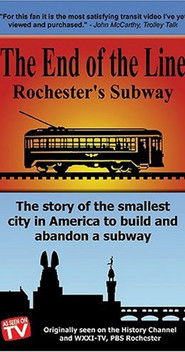
star 10"The End of the Line - Rochester's Subway" tells the little-known story of the rail line that operated in a former section of the Erie Canal from 1927 until its abandonment in 1956. Produced in 1994 by filmmakers Fredrick Armstrong and James P. Harte, the forty-five minute documentary recounts the tale of an American city's bumpy ride through the Twentieth Century, from the perspective of a little engine that could, but didn't. The film has since been rereleased (2005) and now contains the main feature with special portions that were added as part of the rereleased version. These include a look at the only surviving subway car from the lines and a Phantom tun through the tunnels in their abandoned state, among others, for a total of 90 minutes of unique and well preserved historical information.Jesse Owens
2012
Jesse Owens
2012
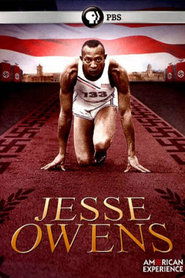
star 8Jesse Owens details Jesse's early career; describes Adolf Hitler s outsized ambitions for the 1936 Olympics; explores the movement in Western democracies to boycott the event; and explains the pressures on Owens to attend. The film also explores why, despite his success in Germany, Owens struggled to find a place for himself in a United States that was still wrestling with its own deeply entrenched racism.Oscar Arias: Without a Shot Fired
2017
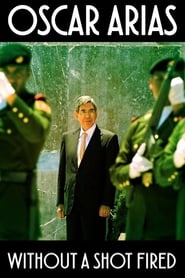
star 6This is the story of a tiny country that made a decision to do something that no other country had ever done -- it decided to abolish its army and declare peace to the world. And this is the story of a young boy who grew up in that country, and how he ended up challenging -- and sometimes even convincing -- the greatest powers in the world to follow Costa Rica's example. "Oscar Arias: Without a Shot Fired" is a Don Quixote-like saga with great historical touchstones -- Ronald Reagan and Mikhail Gorbachev, Cold War politics and Communism, Central American War and Peace. It follows a slight, academic, and most unlikely hero over the course of more than fifty years, as he travels the world in a quest to stop the spread of the weapons of war. In the end, it is a story about the triumph of reason, of the sparrow triumphing over the eagle, and how the impossible dream can sometimes come true.Triangle Fire
2011
Triangle Fire
2011
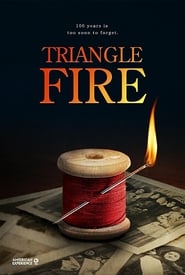
star 7The Triangle Fire chronicles the 1911 fire at the Triangle Shirtwaist Factory in New York City killing one hundred and forty-eight young women and forever changed the relationship between labor and industry in the United States.Battle of Okinawa in Color
2017
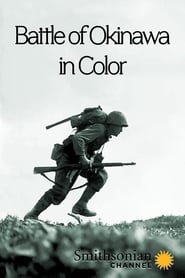
star 9By mid-1945, Hitler is dead and the war has ended in Europe. Halfway around the world, however, the fighting is still going strong on a small island in the Pacific. Okinawa was the site of the last battle of the last great war of the 20th century, with a casualty rate in the tens of thousands. Through it all, military cameramen risked their lives to film the conflict, from brutal land combat to fierce kamikaze attacks at sea. See the footage they captured and experience this intense battle the way the soldiers saw it -- in color.Dick Cavett's Watergate
2014
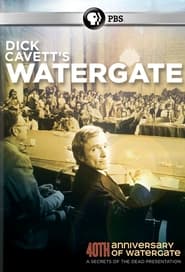
star 7From 1972 to 1974, the Watergate scandal was frequently a part of “The Dick Cavett Show.” In fact, Cavett was at the forefront of national TV coverage, interviewing nearly every major Watergate figure as the crisis unfolded. With exclusive access to the archive of the show, documenting the scandal in the words of the people who lived it: from the botched burglary at the Democratic National Headquarters; to the must-see TV of the daily Congressional Watergate hearings; to the ongoing behind-the-scenes battle between the White House and “The Dick Cavett Show,” culminating with the resignation of President Nixon on August 9, 1974. Offering a unique opportunity to mark the 40th anniversary of a defining moment in American history.Pocahontas: Beyond the Myth
2017
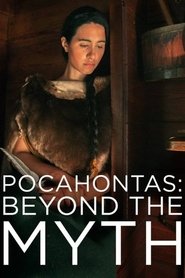
star 10The story of Pocahontas has been passed down through the centuries. Her relationship with John Smith has been characterized as a romance that united two cultures and created lasting peace. However, the life of this American Indian princess was anything but a fairytale. Join us as we look beyond the fiction and reveal the real story of Pocahontas, a tale of kidnapping, conflict, starvation, ocean journeys, and the future of an entire civilization.Samuel Barber: Absolute Beauty
2017
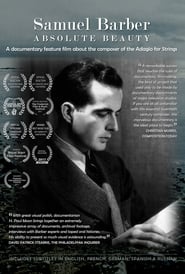
star 10Known for his mournful "Adagio for Strings," Samuel Barber was never quite fashionable. This acclaimed film is a probing exploration of his music and melancholia. Performance, oral history, musicology, and biography combine to explore the life and music of one of America’s greatest composers. Features Thomas Hampson, Leonard Slatkin, Marin Alsop and many more of the world's leading experts on Barber's music, with tributes from composers Leonard Bernstein, Aaron Copland, Virgil Thomson and William Schuman. The film was broadcast on PBS, and screened at nine film festivals internationally, with three best-of awards. It was named a Recording of the Year 2017 by MusicWeb International.The Jewish Journey: America
2015
star 1Jewish-American history has been rooted in an ever-changing “Old Country”. Interviews with top scholars in Jewish history, notable Jewish-American writers, and many immigrants themselves detail the varied stories of migration through the last five centuries, with a rarely explored look at the actual journeys to get here.Riddles of the Sphinx
2010
star 6For over 4000 years, the Sphinx has puzzled all who have laid eyes on it. What is this crouching lion, human-headed creature? Who built it and why? To unlock its secrets, two teams of scientists and sculptors immerse themselves in the world of ancient Egypt — a land of pharaohs and pyramids, animal gods and mummies, sun worship and human sacrifice.John Wesley
1954
John Wesley
1954
star 1Rescued from a burning house as a child, John Wesley believes the experience marked him for a higher purpose, a 'brand from the burning'. The film follows Wesley's years at Oxford and as a clergyman, his disagreements with the church over the social position of the clergy, his mission to America, the founding of Methodism, and his bringing of the Gospel into the lives of ordinary people.Many Beautiful Things
2015
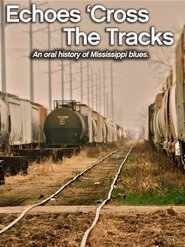
star 6In an age when women were incapable of joining the artistic dialogue, Lilias Trotter managed to win the favour of celebrated critics.Echoes 'Cross the Tracks
2012
star 6A powerful documentary starring Morgan Freeman about the genesis of The Blues in the South and the music spreading around the world. Morgan Freeman shares his story of his experience of growing up in Clarksdale, Mississippi and his love for the Blues.Eliot Ness vs. Al Capone
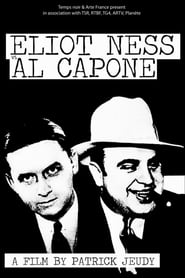
2009
star 6January, 1947. The public receives the news of Al Capone's death with indifference, although twenty years earlier he had ruled Chicago's crime underworld with brute force and corrupting many touchable individuals. Until the day the head of the Untouchables Brigade, Eliot Ness, entered the scene. Since then, a cruel battle between the two of them began, a battle that ended in trial, conviction, disease, insanity and death.