Top Rated Documentary Movies on Free Services - Page 133
All Services
Free Services
 Netflix
 Amazon Prime Video
 Apple iTunes
 Apple TV Plus
 Disney Plus
 Google Play Movies
 Paramount Plus
 Hulu
Hulu
 HBO Max
 YouTube
 fuboTV
 Peacock
 Peacock Premium
 Amazon Video
 The Roku Channel
 AMC+
AMC on Demand
AMC+
AMC on Demand
 Kocowa
 Hoopla
 The CW
 Vudu
Vudu
 Starz
Starz
 Showtime
 PBS
PBS
 Pantaflix
 FXNow
FXNow
 Tubi TV
 Kanopy
 Comedy Central
 Crunchyroll
 Microsoft Store
 Redbox
 Sun Nxt
 ABC
ABC
 DIRECTV
 Crackle
 Fandor
 Plex
Plex
Netflix
Amazon Prime Video
Apple iTunes
Apple TV Plus
Disney Plus
Google Play Movies
Paramount Plus
Hulu
HBO Max
YouTube
fuboTV
Peacock
Peacock Premium
Amazon Video
The Roku Channel
AMC+
AMC on Demand
Kocowa
Hoopla
The CW
Vudu
Starz
Showtime
PBS
Pantaflix
FXNow
Tubi TV
Kanopy
Comedy Central
Crunchyroll
Microsoft Store
Redbox
Sun Nxt
ABC
DIRECTV
Crackle
Fandor
Plex

The Apology
2016
The Apology
2016
star 4.1"The Apology" explores the lives of former "comfort women," the more than 200,000 girls forced into sexual slavery during World War II. Today, they fight for reconciliation and justice as they struggle to make peace with the past.The Prison in Twelve Landscapes
2016
star 6.6More people are imprisoned in the United States at this moment than in any other time or place in history, yet the prison itself has never felt further away or more out of sight. This is a film about the prison in which we never see an actual penitentiary. The film unfolds a cinematic journey through a series of landscapes across the USA where prisons do work and affect lives, from an anti-sex-offender pocket park in Los Angeles, to a congregation of ex-incarcerated chess players shut out of the formal labor market, to an Appalachian coal town betting its future on the promise of prison jobs.The Banksy Job
2016
Learning To See
2016
Learning To See
2016
star 7.9Struggling with a mid-life crisis, Robert Oelman leaves his psychology career in the early 1990s to photograph rare and exotic insects. After moving from the United States to Colombia, he forms a special bond with his subjects in the Amazon rainforest. This connection enables him to make striking photographic images of new and undocumented species. After more than 20 years of traveling, searching, and photographing, his quest culminates with a New York City gallery show where he finally shares his images with the public.Ovarian Psycos
2016
Ovarian Psycos
2016
star 6.9In East Los Angeles, three young misfit women find solace in an unapologetic, feminist bicycle crew. They call themselves the Ovarian Psycos Bicycle Brigade.Pacific Warriors
2015
Pacific Warriors
2015
star 6.8An insight into the origins and stories of Pacific Island rugby teams such as Tonga, Samoa and Fiji. This documentary explores the backgrounds of a wide variety of players, past and present.Manson
2009
Manson
2009
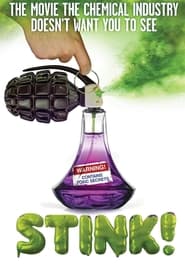
star 6Linda Kasabian, Charles Manson follower and former 'Family' member details her life at the Ranch and the final days leading up to the grisly 1969 Tate/La Bianca murders.Stink!
2015
Stink!
2015
star 5.7"Stink!" opens with a foul smell and a pair of kids pajamas. And a single father trying to find out what that smell could possibly be. But instead of getting a straight answer, director Jon Whelan stumbles on an even bigger issue in America, which is that some products on our store shelves are not safe -- by design. Entertaining, enlightening, and at times almost absurd, "Stink!" takes you on a madcap journey from the retailer to the laboratory, through corporate boardrooms, down back alleys, and into the halls of Congress. Follow Whelan as he clashes with political and corporate operatives all trying to protect the darkest secrets of the chemical industry. You won't like what you smell.Sex and the Law
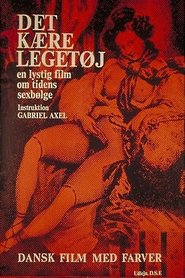
1968
Sex and the Law
1968
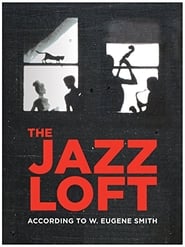
star 4.4A look at what happened when Denmark abolished censorship in the late 1960s.The Jazz Loft According to W. Eugene Smith
2016
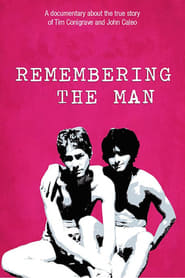
star 6.6Art, obsession and anxiety permeate a dilapidated Manhattan loft building in Mid-century: The first movie to use photographer W. Eugene Smith's massive, fly-on-the-wall archive of photos and audio tapes documenting the likes of jazz greats Thelonious Monk, Zoot Sims, Jimmy Giuffre, Hall Overton and others at work and play in the Sixth Avenue wreck that was Smith's home and studio from 1957 through the '60s.Remembering the Man
2016
Remembering the Man
2016
star 7.6At an exclusive Catholic boys school in Melbourne 1976, Tim Conigrave and John Caleo fell madly in love. Their passionate, tempestuous, operatic romance lasted for 16 years, facing disapproval, temptation, separation, and the looming shadow of the Grim Reaper. Their relationship has been immortalised in Conigrave's posthumous autobiography Holding the Man (now a major Australian film directed by Neil Armfield). This is the true story of how Romeo met Romeo and how first love can not only last but endure.Imminent Threat
2015
Imminent Threat
2015
star 6.7A look at the War on Terror and the threat it's causing to our civil liberties and political discourse. Academy Award nominee James Cromwell presents Janek Ambros' directorial debut. The feature doc tackles the War on Terror's impact on civil liberties and the strange coalition it's creating between the progressive left and libertarian right. The doc examines the NSA, drones, the war on journalism and other encroachments on civil liberties started by the Bush era and expanded by the Democratic establishment.The Show of Shows: 100 Years of Vaudeville, Circuses and Carnivals
2015
star 7This film tells the story of itinerant circus performers, cabaret acts and fairground attractions, showing rarities and never-before seen footage of fairgrounds, circus entertainment, freak shows, variety performances, music hall and seaside entertainment, chronicled from the 19th and 20th century. We will see early shows that wowed the world and home movies of some of the greatest circus families. Director Benedikt Erlingsson takes us back to the days when the most outlandish, skillful and breathtaking acts traveled the world. This rich visual archive has been created with exclusive access to The University of Sheffield’s National Fairground Archive and is accompanied by an epic new score by Georg Holm and Orri Páll Dýrason of Sigur Rós, in collaboration with Hilmar Örn Hilmarsson and Kjartan Dagur Holm.Welcome to Kutsher's: The Last Catskills Resort
2012
star 5.3Kutsher's Country Club is the last surviving Jewish resort in the Catskills. One of the legendary Borscht Belt hotels during its heyday, Kutsher's has been family-owned and operated for over 100 years. Exploring the full Dirty Dancing-era Catskills experience-- and how it changed American pop culture in the comedy, sports and vacation industries-- this documentary captures a last glimpse of a lost world as it disappears before our eyes.I Just Wanted to Be Somebody
2007
star 4.5Newsreels, commercials, and home movies are used to study the life and influence of Anita Bryant.The Secret World of LEGO
2015
star 8.1This documentary goes behind the doors at Lego's headquarters, meeting some of the notoriously secretive superbrands's key people and revealing more about its company DNA than ever before.1964
2014
1964
2014
star 6.41964 was the year the Beatles came to America, Cassius Clay became Muhammad Ali, and three civil rights workers were murdered in Mississippi. It was the year when Berkeley students rose up in protest, African Americans fought back against injustice in Harlem, and Barry Goldwater’s conservative revolution took over the Republican Party. In myriad ways, 1964 was the year when Americans faced choices: between the liberalism of Lyndon Johnson or Barry Goldwater’s grassroots conservatism, between support for the civil rights movement or opposition to it, between an embrace of the emerging counterculture or a defense of traditional values.I, Dalio
2015
I, Dalio
2015
star 6.4The great French actor, Marcel Dalio, who has the lead role in Jean Renoir's THE RULES OF THE GAME, also appears in Renoir's GRAND ILLUSION. In both films he plays a character who is Jewish, as Dalio was in real life. In fact, in most of the French films he's in the 1930s, he almost always plays shady characters, informers, blackmailers and gangsters. In other words, he is always "the Jew." When the Nazis invaded France in 1940, he fled to America and appeared in CASABLANCA and TO HAVE AND HAVE NOT. In America, he was no longer the Jew but The Frenchman. He became, in dozens of films, America's idea of a typical Frenchman. His film career has these two strands in which he has two different identities. Are you defined by other people and their perceptions of who you are? Are you always a creation of the way people want to see you? Or can you exist outside of the arbitrary boundaries which are placed on you?Shadowman
2017
Shadowman
2017
star 4.5Richard Hambleton was a founder of the street art movement before succumbing to drugs and homelessness. Rediscovered 20 years later, he gets a second chance. But will he take it?A Perfect 14
2018
A Perfect 14
2018
star 6.4A Perfect 14 explores the fascinating world of plus-size models fighting to reshape the fashion industry and the beauty standards of society.