Top Rated Documentary Movies on Free Services - Page 137
All Services
Free Services
 Netflix
 Amazon Prime Video
 Apple iTunes
 Apple TV Plus
 Disney Plus
 Google Play Movies
 Paramount Plus
 Hulu
Hulu
 HBO Max
 YouTube
 fuboTV
 Peacock
 Peacock Premium
 Amazon Video
 The Roku Channel
 AMC+
AMC on Demand
AMC+
AMC on Demand
 Kocowa
 Hoopla
 The CW
 Vudu
Vudu
 Starz
Starz
 Showtime
 PBS
PBS
 Pantaflix
 FXNow
FXNow
 Tubi TV
 Kanopy
 Comedy Central
 Crunchyroll
 Microsoft Store
 Redbox
 Sun Nxt
 ABC
ABC
 DIRECTV
 Crackle
 Fandor
 Plex
Plex
Netflix
Amazon Prime Video
Apple iTunes
Apple TV Plus
Disney Plus
Google Play Movies
Paramount Plus
Hulu
HBO Max
YouTube
fuboTV
Peacock
Peacock Premium
Amazon Video
The Roku Channel
AMC+
AMC on Demand
Kocowa
Hoopla
The CW
Vudu
Starz
Showtime
PBS
Pantaflix
FXNow
Tubi TV
Kanopy
Comedy Central
Crunchyroll
Microsoft Store
Redbox
Sun Nxt
ABC
DIRECTV
Crackle
Fandor
Plex

Go Grandriders
2012
Go Grandriders
2012
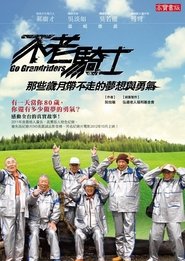
star 7.317 riders with avarage age 81 decide to follow the dream of their youth and start their journey to ride around Taiwan island.Wagner & Me
2012
Wagner & Me
2012
star 6.7Actor and writer Stephen Fry explores his passion for the world's most controversial composer, Richard Wagner. As a life-long fan can Stephen, who is Jewish and lost family in the Holocaust, salvage Wagner's music from its dark associations with anti-Semitism and Hitler?Los Sures
1984
Los Sures
1984
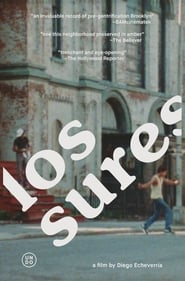
star 6.6A documentary on the inhabitants of South Williamsburg, New York, whose lives are explored through the testimony of five inhabitants of the Brooklyn neighborhood. In the late 70s and early 80s, Los Sures was one of the poorest neighborhoods in New York City. In fact, it had been called the worst ghetto in America. Diego Echeverria's film skillfully represents the challenges of its time: drugs, gang violence, crime, abandoned real estate, racial tension, single-parent homes, and inadequate local resources. The complex portrait also celebrates the vitality of this largely Puerto Rican and Dominican community, showing the strength of their culture, their creativity, and their determination to overcome a desperate situation.King George VI: The Man Behind the King's Speech
2011
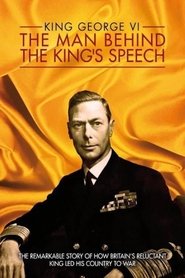
star 7.9This documentary tells the story of the man who overcame his own failings for the sake of his nation. When his older brother, Edward VIII, abdicated the throne to marry Wallis Simpson, nervous-mannered successor George "Bertie" VI was plagued with shyness and a speech impediment when speaking to his subjects. An introvert as well as a humble man, events and circumstances resulted in him becoming an inspiration for the British nation during its war with Germany.The Price of Sex
2011
The Price of Sex
2011
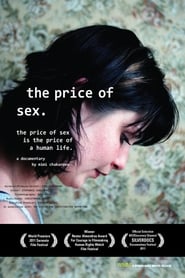
star 6.6The Price of Sex is a documentary about young Eastern European women who’ve been drawn into a netherworld of sex trafficking and abuse. Intimate, harrowing and revealing, it is a story told by the young women who were supposed to be silenced by shame, fear and violence. Photojournalist Mimi Chakarova, who grew up in Bulgaria, takes us on a personal investigative journey, exposing the shadowy world of sex trafficking from Eastern Europe to the Middle East and Western Europe. Filming undercover and gaining extraordinary access, Chakarova illuminates how even though some women escape to tell their stories, sex trafficking thrives.Hubert Selby Jr: It/ll Be Better Tomorrow
2006
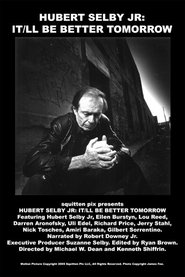
star 6.4An exploration into the life and art of the renowned author of "Last Exit To Brooklyn" and "Requiem For A Dream." Hubert Selby Jr., a self-described "scream looking for a mouth," against all odds, reached international acclaim with his controversial novels. His is a classic story of the great American novelist, overcoming tuberculosis, drug addiction and financial ruin, Selby eventually triumphed in his life and penned seven of the most remarkable and distinctly American books ever written.The Joy of Life
2005
The Joy of Life
2005
star 4.6A blending of documentary and experimental narrative strategies, combining stunning 16mm landscape cinematography with a bold, lyrical voice-over to share two San Francisco stories: the history of the Golden Gate Bridge as “suicide landmark,” and the story of a butch dyke in San Francisco searching for love and self-discovery. The Joy of Life is a film about landscapes, both physical and emotional.Hold Me Tight, Let Me Go
2007
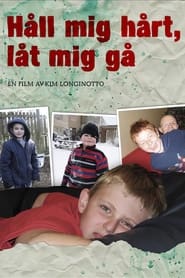
star 6Harrowing at one moment and heartwarming the next, HOLD ME TIGHT, LET ME GO is set at England's Mulberry Bush School, founded by Barbara Dockar-Drysdale who developed unique methods for working with children suffering through severe emotional trauma.A Perfect Candidate
1996
A Perfect Candidate
1996
star 5.6The filmmakers follow Oliver North's unsuccessful 1994 bid for a Virginia Senate seat, focusing on North's campaign strategist, Mark Goodin, and a Washington Post reporter. Mudslinging ensues.Winston Churchill: Walking with Destiny
2010
star 6.4Walking With Destiny highlights Churchill's years in the political wilderness, his early opposition to Adolf Hitler and Nazism, and his support for Jews under threat by the Nazi regime. As historian John Lukacs explains, Churchill may not have won the War in 1940, but without him, the War most certainly would have been lost. Sir Martin Gilbert, historical consultant for the film and Churchill's official biographer, adds that had Churchill's warnings about Nazi Germany's racial policies towards Jews been heeded in the early 1930's, the Holocaust may never have occurred. The film examines why Winston Churchill's legacy continues to be relevant in the 21st Century and explores why his leadership remains inspirational to current day political leaders and diplomats.Bob and the Monster
2011
Bob and the Monster
2011
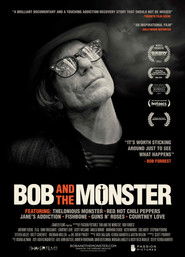
star 6.3Six years in the making, this documentary film follows outspoken indie-rock hero Bob Forrest, through his life-threatening struggle with addiction, to his transformation into one of the most influential and controversial drug counselors in the US today. BOB AND THE MONSTER crafts contemporary footage, animation and compelling interviews with archival performances and personal videos from Bob's past to reveal the complex layers of this troubled, but hopeful soul. Testimony from his peers, including Courtney Love, Anthony Kiedis and Flea add texture, but it's the depth of Bob's music, interwoven throughout the film, that illuminates this unforgettable and inspirational story.Three Stars
2010
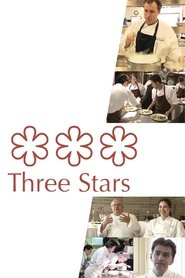
Three Stars
2010
star 6Focusing on ten Michelin 3 Star chefs, Three Stars depicts the everyday drama of life in gourmet restaurants and includes exclusive interviews and behind-the-scenes access to some of the world’s most talented chefs as they work in their gastronomic laboratories, hunt for exquisite ingredients in local markets, and gather rare edible plants along rough coastlines. It reveals the business of cooking on the highest level and highlights the various kitchen routines and culinary philosophies of chefs like Jean-Georges Vongerichten, Yannick Alléno, and Olivier Roellinger.Somewhere Between
2012
Somewhere Between
2012
star 7.4Questions of race, identity and heritage are explored through the lives of young American women growing up as adoptees from China. These four distinct individuals reflect on their experiences as members of transracial families.Etoiles: Dancers of the Paris Opera Ballet
2001
star 6.9ETOILES: DANCERS OF THE PARIS OPERA BALLET celebrates the legacy one of the best ballet companies in the world by weaving together rehearsals, tour snapshots and performances of classical ballets such as Swan Lake and La Sylphide, as well as contemporary works such as Maurice Bejart's Ninth Symphony, Jiri Kylian's Doux Mensonge (Sweet Lies) and Pierre Darde's Orison. Celebrated filmmaker Nils Tavernier endeavors to understand the psychology of dance by talking candidly with some of the biggest stars in dance today. The film also features interviews with the dancers who explain how and why they endure the emotional and physical hardships of their profession in their intense drive to be on stage.The First Movie
2009
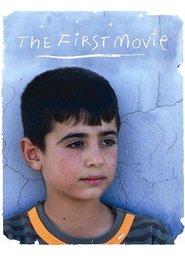
The First Movie
2009
star 7.3Filmmaker Mark Cousins, who was brought up in a Northern Irish war zone, travels to Goptapa, a Kurdish-Iraqi village of just seven hundred people on a tributary of the Tigris river, and tries to make a dream film about a place that is normally only portrayed in current affairs programmes. He gives the kids cameras, and they make their own little movies about war, love, a fish that goes to a magical place, and a chicken who debates justice.Model
1981
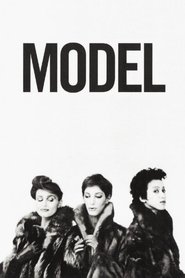
Model
1981
star 6.1MODEL shows male and female models at work on TV commercials, fashion shows, magazine covers, and advertising for a variety of products, including designer collections, fur coats, sports clothes and automobiles. The models are seen at work with photographers whose techniques illustrate different styles of fashion and product photography. The business aspect of running an agency is also shown: interviewing prospective models, career counseling, arranging portfolios, talking with clients, and planning trips. The film presents a view of the intersections of fashion, business, advertising, photography, television and fantasy.War Horse: The Real Story
2012
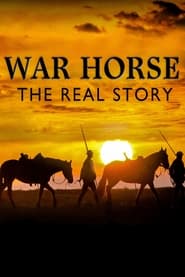
star 7.4The truth about the million British horses that served in World War I is even more epic than Steven Spielberg’s War Horse feature film. This documentary tells their extraordinary, moving story, begining with the mass call-up of horses from every farm and country estate in the land. Racing commentator Brough Scott tells the tale of his aristocratic grandfather General Jack Seely and his beloved horse Warrior, who would become the most famous horse of the war. The British Army hoped its illustrious cavalry regiments would win a swift victory, but it would be years before they enjoyed their moment of glory. Instead, in a new era of mechanised trench warfare, the heavy horses transporting guns, ammunition and food to the front-line troops were most important. A quarter of a million of these horses died from shrapnel wounds and disease. But the deep bond that developed between man and horse helped both survive the hell of the Somme and Passchendaele.The Gates
2008
The Gates
2008
star 5.9A documentary on New York City’s biggest public art project ever, an installation called “The Gates” by Christo and Jeanne Claude.The Forgotten Space
2010
The Forgotten Space
2010
star 5.4Details the catastrophic effects globalization has wrought on the ship, truck and train industries. We visit displaced farmers and villagers in Holland and Belgium, underpaid truck drivers in Los Angeles, seafarers aboard mega-ships shuttling between Asia and Europe, and factory workers in China, whose low wages are the fragile key to the whole puzzle. At a moment when collective bargaining rights are under attack in the United States, and China continues to bow to foreign pressures to prevent such rights from being granted at all, this film asks: Is capitalism the Trojan horse that turns on its inventors?Apocalypse Soon: The Making of 'Citizen Toxie'
2002
star 7.6A feature-length documentary on the making of Citizen Toxie: The Toxic Avenger IV (2000)