Top Rated Movies on Kanopy - Page 433
All Services
Free Services
 Netflix
 Amazon Prime Video
 Apple iTunes
 Apple TV Plus
 Disney Plus
 Google Play Movies
 Paramount Plus
 Hulu
Hulu
 HBO Max
 YouTube
 fuboTV
 Peacock
 Peacock Premium
 Amazon Video
 The Roku Channel
 AMC+
AMC on Demand
AMC+
AMC on Demand
 Kocowa
 Hoopla
 The CW
 Vudu
Vudu
 Starz
Starz
 Showtime
 PBS
PBS
 Pantaflix
 FXNow
FXNow
 Tubi TV
 Kanopy
 Comedy Central
 Crunchyroll
 Microsoft Store
 Redbox
 Sun Nxt
 ABC
ABC
 DIRECTV
 Crackle
 Fandor
 Plex
Plex
Netflix
Amazon Prime Video
Apple iTunes
Apple TV Plus
Disney Plus
Google Play Movies
Paramount Plus
Hulu
HBO Max
YouTube
fuboTV
Peacock
Peacock Premium
Amazon Video
The Roku Channel
AMC+
AMC on Demand
Kocowa
Hoopla
The CW
Vudu
Starz
Showtime
PBS
Pantaflix
FXNow
Tubi TV
Kanopy
Comedy Central
Crunchyroll
Microsoft Store
Redbox
Sun Nxt
ABC
DIRECTV
Crackle
Fandor
Plex

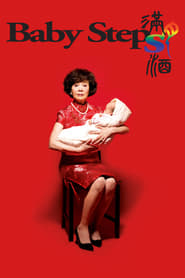
Baby Steps
2015
Baby Steps
2015
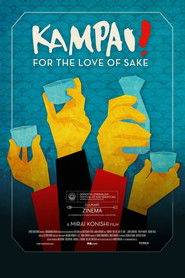
star 4.4Danny, a Taiwanese-American man, and his partner Tate want to have a baby, but the complex world of international surrogacy is further complicated by Danny's well-meaning but extremely meddlesome mother.Kampai! For the Love of Sake
2015
star 6.4An American journalist, a British sake brewer and the president of a centenary Japanese sake brewery join together to explore the mysterious world of sake, a generic name for Japanese rice wine, actually a sort of liquor. These unique individuals, fascinated by this extraordinary beverage, investigate the spectacular world that has grown around it thorough ages.Southern Rites
2015
Southern Rites
2015
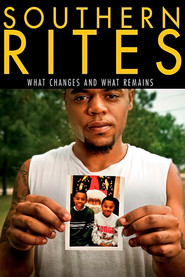
star 5.4Southern Rites visits Montgomery County, Ga., one year after the town merged its racially segregated proms, and during a historic election campaign that may lead to its first African-American sheriff. Acclaimed photographer Gillian Laub, whose photos first brought the area unwanted notoriety, documents the repercussions when a white town resident is charged with the murder of a young black man. The case divides locals along well-worn racial lines, and the ensuing plea bargain and sentencing uncover complex truths and produce emotional revelations.League of Denial: The NFL’s Concussion Crisis
2013
star 7.5Drawing on the book of the same name, League of Denial crafts a searing two-hour indictment of the National Football League’s decades-long concealment of the link between football related head injuries and brain disorders.Out of My Hand
2015
Out of My Hand
2015
star 7.1A struggling Liberian rubber plantation worker risks everything to discover a new life as a Yellow Cab driver in New York City.The Royal Road
2015
The Royal Road
2015
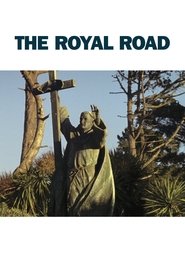
star 4.9A fascinating and unlikely reinvention story, The Royal Road simultaneously explores cinematic spiritual channeling, the conquest and colonization of Mexico and the American Southwest, fading historical Californian urban landscapes, and the passions found in butch identity to achieve an achingly beautiful and poetic defense of remembering. Probing roads from El Camino Real, to the Boulevard of Broken Dreams, to the road right outside the front door, Olson crafts a deeply intelligent and transcending observation of the human condition that reaches for redemption in the embrace of history, nostalgia, mindfulness, and sheer beauty. If you give yourself over to it, it will crack you wide open.Western
2015
Western
2015
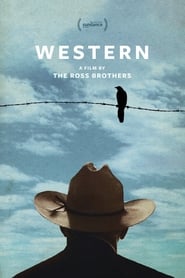
star 5For generations, all that distinguished Eagle Pass, TX, from Piedras Negras, MX, was the Rio Grande. But when darkness descends upon these harmonious border towns, a cowboy and lawman face a new reality that threatens their way of life.Sembene!
2015
Sembene!
2015
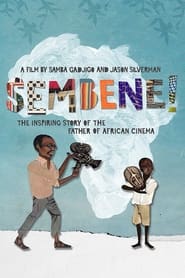
star 7Meet Ousmane Sembene, the African freedom fighter who used stories as his weapon.How to Dance in Ohio
2015
How to Dance in Ohio
2015
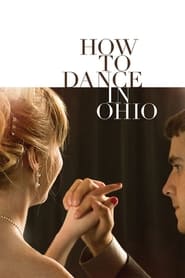
star 6.6In Columbus, Ohio, a group of autistic teenagers and young adults role-play this transition by going through the deceptively complex social interactions of preparing for a spring formal. Focusing on several young women as they go through an iconic American rite of passage, we are given intimate access to people who are often unable to share their experiences with others. With humor and heartbreak, How to Dance in Ohio shows the daily courage of people facing their fears and opening themselves to the pain, worry, and joy of the social world.Sam Klemke's Time Machine
2015
star 6.2In 1977, Sam Klemke began obsessively filming and documenting his life on film. Over the next 35 years we see Sam grow from an optimistic teen to a self-important 20 year old, into an obese, self-loathing 30-something and onwards into his philosophical 50s.Tricia's Wedding
1971
Tricia's Wedding
1971
star 4.4The world-famous Cockettes enact Tricia Nixon's wedding to Edward Cox on June 11, 1971. Hurtme O. Hurtme, television correspondent, covers the wedding and interviews celebrities in attendance such as Golda Meir, Indira Gandhi, Jacqueline Onassis, Queen Elizabeth, and Elizabeth Taylor. Coretta King sings. During the reception, Eartha Kitt puts LSD in the punch. All hell breaks loose.The Olive Trees of Justice
1962
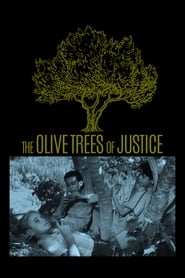
star 7.1The son of a French colonialist in Algeria returns to Algeria after learning that his father is ill. Memories from childhood return. He also must deal with some problems involving the Algerian fight for independence.A Moonless Night
2014
A Moonless Night
2014
star 6.3A divorced taxi driver shows up with a black eye at the home of his ex-wife’s new family; he’s been invited to dinner and he desperately wants to reconnect with his young daughter. A professional magician’s car breaks down and he ends up spending an emotionally intense night with a young, widowed toll booth worker. A singer songwriter serving a lengthy prison sentence is released for one night to perform at a local community centre. These three deeply engaging stories about yearning for connection unfold in parallel, one New Year’s Eve in a small town in central Uruguay, balancing the universality of human suffering with a powerful sense of hope.Magical Universe
2014
Magical Universe
2014
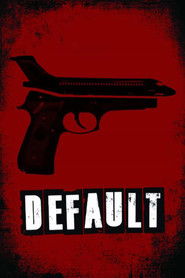
star 6.2A documentarian strikes up an odd friendship with reclusive 80 year old outsider artist Al Carbee, whose strange Barbie-doll photography gains acclaim and interest over the course of the project's multi-year history. Far beyond a portrait of an eccentric, Magical Universe is about wonder, friendship, and the transcendent power of creativityDefault
2014
Default
2014
star 4.3A news crew is taken hostage on an airplane set to take off from the Seychelles.Stielke, Heinz, Fifteen...
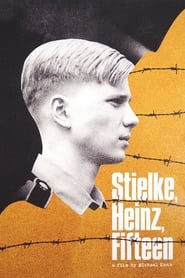
1987
star 5.3Everything changes for fifteen-year-old Heinz Stielke, a fanatical member of the Hitler Youth, when he learns that his father, who died as a war hero, was actually Jewish. Heinz is forced to leave school, loses his friends, and worst of all, his mother dies in a bombing raid. A kind-hearted police officer tries to get him a place at an orphanage in Thuringia, but on the way there, he is picked up by the SS and sent to a training camp.The Cow Who Wanted To Be a Hamburger
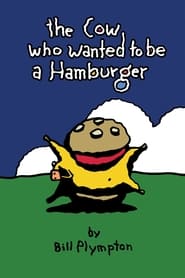
2010
star 5.4A children's fable about the power of advertising, the meaning of life and ultimately the test of a mother's love. Preserved by the Academy Film Archive in 2016.The Russians Are Coming
1968
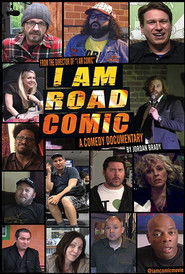
star 5.2It’s the spring of 1945 in a small resort town on the Baltic. Günter is 16 and firmly believes that the Germans will win the war. During the hunt for a forced labourer who is on the run, Günter catches him and watches as he is shot to death. He proudly accepts the award of an Iron Cross before being shipped to the nearby front as part of the last contingent of troops. He is quickly captured by Soviet soldiers, but manages to escape and return home. When the town is occupied by the Red Army, Günter is arrested for the murder of the forced labourer. The film was banned in 1968 before it was completed, and a large portion of the negative was later destroyed.I Am Road Comic
2014
I Am Road Comic
2014
star 5.8Interviews with T.J. Miller, Pete Holmes, Marc Maron, Doug Benson, Jim Norton, Judah Friedlander, Alonzo Bodden, Maria Bamford, Jen Kirkman, Auggie Smith, W. Kamau Bell, Nikki Glaser, Wayne Federman, Seth Milstein, Oni Perez, Alysia Wood, Kris Tinkle, Traci Skene, Brian McKim, Tim O’Rourke, Tom Rhodes, Kyle Kinane and yours truly.Just Don't Think I'll Cry
1965
star 7.2High-school senior Peter considers the adults around him to be hypocritical, self-congratulatory, and immersed in the past. He gets suspended for writing an essay that his teachers consider to be a challenge to the state. Just Don't Think I'll Cry became one of twelve films and film projects-almost an entire year's production-that were banned in 1965-1966 due to their alleged anti-socialist aspects. Although scenes and dialogs were altered and the end was reshot twice, officials condemned this title as "particularly harmful." In 1989, cinematographer Ost restored the original version, and this and most of the other banned films were finally screened in January 1990. Belatedly, they were acclaimed as masterpieces of critical realism.