Top Rated Documentary Movies on Kanopy - Page 122
All Services
Free Services
 Netflix
 Amazon Prime Video
 Apple iTunes
 Apple TV Plus
 Disney Plus
 Google Play Movies
 Paramount Plus
 Hulu
Hulu
 HBO Max
 YouTube
 fuboTV
 Peacock
 Peacock Premium
 Amazon Video
 The Roku Channel
 AMC+
AMC on Demand
AMC+
AMC on Demand
 Kocowa
 Hoopla
 The CW
 Vudu
Vudu
 Starz
Starz
 Showtime
 PBS
PBS
 Pantaflix
 FXNow
FXNow
 Tubi TV
 Kanopy
 Comedy Central
 Crunchyroll
 Microsoft Store
 Redbox
 Sun Nxt
 ABC
ABC
 DIRECTV
 Crackle
 Fandor
 Plex
Plex
Netflix
Amazon Prime Video
Apple iTunes
Apple TV Plus
Disney Plus
Google Play Movies
Paramount Plus
Hulu
HBO Max
YouTube
fuboTV
Peacock
Peacock Premium
Amazon Video
The Roku Channel
AMC+
AMC on Demand
Kocowa
Hoopla
The CW
Vudu
Starz
Showtime
PBS
Pantaflix
FXNow
Tubi TV
Kanopy
Comedy Central
Crunchyroll
Microsoft Store
Redbox
Sun Nxt
ABC
DIRECTV
Crackle
Fandor
Plex

Granito: How to Nail a Dictator
2011
star 4.5A story of destinies joined by Guatemala's past, and how a documentary film intertwined with a nation's turbulent history emerges as an active player in the present.Crazy Wisdom: The Life and Times of Chögyam Trungpa Rinpoche
2011
star 5.5CRAZY WISDOM explores the arrival of Tibetan Buddhism in America through the story of Chögyam Trungpa, who landed in the U.S. in 1970. Trungpa became renowned for translating ancient Buddhist concepts into language and ideas that Westerners could understand and shattered preconceived notions about how an enlightened teacher should behave. Initially rejected, his teachings are now recognized by western philosophers and spiritual leaders as authentic and profound.FLicKeR
2009
FLicKeR
2009
star 6.8In 1960, Brion Gysin invented the Dream Machine, a hypnotic light device with the power to induce hallucinations, drugless highs, and revolutionize human consciousness. It looks simple enough; a 100-watt light bulb, a motor, and a rotating cylinder with cutouts. Just sit in front of it, close your eyes, and wait for the visions to come. The Dream Machine enthralled mystics and freethinkers everywhere; Kurt Cobain had a dream machine, and William S. Burroughs thought it could be used to “storm the citadels of enlightenment.” With a custom-made Dream Machine in tow, director Nik Sheehan takes us on a journey into the life of Brion Gysin; his art, his complex ideas, and his friendships with some of the most eccentric counter-cultural icons. Taking the Dream Machine as the basis of its explorations, FLicKeR asks crucial questions about the nature of art and consciousness, and imagines a humanity liberated to explore its creativity in complete freedom.The Congress
1989
The Congress
1989
star 7.8For 200 years, the United States Congress has been one of the country's most important and least understood institutions. In this elegant, thoughtful and often touching portrait, Ken Burns explores the history and promise of this unique American institution. Using historical photographs and newsreels, evocative live footage and interviews with David Broder, Alistair Cooke, Cokie Roberts, Charles McDowell and others, the award-winning film chronicles the personalities, events and issues that have animated the first 200 years of Congress and, in turn, our country.The Lord is Not On Trial Here Today
2011
star 7.6THE LORD IS NOT ON TRIAL HERE TODAY tells the compelling personal story behind one of the most important and landmark First Amendment cases in U.S. Supreme Court history, the case that set the foundation for the separation of church and state in public schools.Double Headed Eagle: Hitler's Rise to Power 1918-1933
1973
star 8Presents a unique and disturbing look at the rise of the Nazi party. The documentary, directed by Lutz Becker, attempts to remain as objective as possible, serving as a neutral observer of the years 1918 through 1933 in Germany. Via newsreel footage and clips of features from the era, the film offers a kaleidoscopic view of the many elements that fueled the rise of the Socialist Nationalist Party, including post-WWI poverty. Hitler occupies a central place in the documentary.The Fourth World War
2003
The Fourth World War
2003
star 5.5From the front-lines of conflicts in Mexico, Argentina, South Africa, Palestine, Korea, 'the North' from Seattle to Genova, and the 'War on Terror' in New York, Afghanistan, and Iraq. It is the story of men and women around the world who resist being annihilated in this war. While our airwaves are crowded with talk of a new world war, narrated by generals and filmed from the noses of bombs, the human story of this global conflict remains untold. "The Fourth World War" brings together the images and voices of the war on the ground. It is a story of a war without end and of those who resist. The product of over two years of filming on the inside of movements on five continents, "The Fourth World War" is a film that would have been unimaginable at any other moment in history. Directed by the makers of "This Is What Democracy Looks Like" and "Zapatista", produced through a global network of independent media and activist groups, it is a truly global film from our global movement.Wretches & Jabberers
2011
Wretches & Jabberers
2011
star 7.2In 'Wretches & Jabberers and Stories from the Road', two men with autism embark on a global quest to change prevailing attitudes about disability and intelligence. With limited speech, Tracy Thresher, 42, and Larry Bissonnette, 52, both faced lives of mute isolation in mental institutions or adult disability centers. When they learned as adults to communicate by typing, their lives changed dramatically. Their world tour message is that the same possibility exists for others like themselves. At each stop, they dissect public attitudes about autism and issue a hopeful challenge to reconsider competency and the future. Along the way, they reunite with old friends from the USA, expand the isolated world of a talented young painter and make new allies in their cause.What's the Matter with Kansas?
2009
star 5In 'What's the Matter with Kansas?' a politically active Kansas megachurch splinters, moves to an amusement park, and when that fails, a Best Western motel. Meanwhile, an idealistic farmer revives Kansas' progressive tradition, taking his message all the way to Washington, D.C.Unborn in the USA: Inside the War on Abortion
2007
star 6.8Unborn in the USA: Inside the War on Abortion is a 2007 documentary film featuring interviews with pro-life activists across the United states. Its tagline is, "How the pro-lifers are winning". The film was started as a thesis project by students Stephen Fell and Will Thompson of Rice University. The film chronicles major events such as the annual March for Life and the 2004 March for Women's Lives, and features interviews with members of the Army of God and other pro-life activists.Fierce Light: When Spirit Meets Action
2008
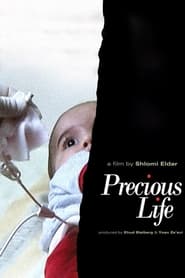
star 5Captures the exciting movement of Spiritual Activism that is exploding around the planet, and the powerful personalities who are igniting it.Precious Life
2011
Precious Life
2011
star 8.6With the help of a prominent Israeli journalist, Precious Life chronicles the struggle of an Israeli pediatrician and a Palestinian mother to get treatment for her baby, who suffers from an incurable genetic disease. Each must face their most profound biases as they inch towards a possible friendship in an impossible reality.Maquilapolis
2006
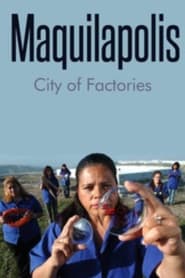
Maquilapolis
2006
star 7Just over the border in Mexico is an area peppered with maquiladoras: massive sweatshops often owned by the world's largest multinational corporations. Carmen and Lourdes work at maquiladoras in Tijuana, and it is there that they try to balance the struggle for survival with their own radicalization in this documentary.Pressure Cooker
2008
Pressure Cooker
2008
star 7.8A committed, passionate teacher tries to make all the difference in the lives of disadvantaged students.Act of God
2009
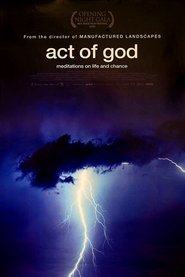
Act of God
2009
star 4.1A Canadian documentary feature film that investigates the effects of being struck by lightning.Rain of the Children
2008
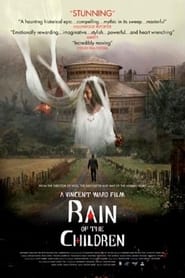
Rain of the Children
2008
star 6.5In Rain of the Children, Ward further explores the subject of his earlier film, In Spring One Plants Alone when, as a young film student he travelled to the Ureweras and documented the lives of an elderly Māori woman (Puhi) and her schizophrenic son (Niki).Forgiving Dr. Mengele
2006
star 7.2Eva Mozes Kor, who survived Josef Mengele's cruel twin experiments in the Auschwitz concentration camp, shocks other Holocaust survivors when she decides to forgive the perpetrators as a way of self-healing.White Terror
2005
White Terror
2005
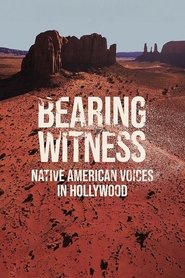
star 6.6A video about Neo-Nazis originating in Sweden provides the starting point of an investigation of extremists' networks in Europe, Russia, and North America. Their propaganda is a message of hatred, war, and segregation.Bearing Witness Native American Voices in Hollywood
2025
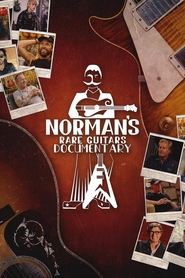
star 7.3For over 100 years, Hollywood cinema has crafted the ultimate "villain"- the Indian, as they were labeled in early Westerns. Confined almost exclusively to this genre, the Western became a vehicle for American racism, obscuring the genocide upon which the United States was built. In this documentary, only Native Americans are given a voice to share their story, one that has been overshadowed by Hollywood's portrayal. Their narrative, part of the larger American story, highlights how cinema has long been used as a powerful propaganda tool, distorting history and perpetuating harmful stereotypes.Norman's Rare Guitars Documentary
2024
star 4A well renowned institution where legends jam, and find inspiration. A chronicles of the shop's spirit as Norman, its beloved founder, faces retirement, marking a turning point for this cultural haven.