Top Rated Documentary Movies on Kanopy - Page 158
All Services
Free Services
 Netflix
 Amazon Prime Video
 Apple iTunes
 Apple TV Plus
 Disney Plus
 Google Play Movies
 Paramount Plus
 Hulu
Hulu
 HBO Max
 YouTube
 fuboTV
 Peacock
 Peacock Premium
 Amazon Video
 The Roku Channel
 AMC+
AMC on Demand
AMC+
AMC on Demand
 Kocowa
 Hoopla
 The CW
 Vudu
Vudu
 Starz
Starz
 Showtime
 PBS
PBS
 Pantaflix
 FXNow
FXNow
 Tubi TV
 Kanopy
 Comedy Central
 Crunchyroll
 Microsoft Store
 Redbox
 Sun Nxt
 ABC
ABC
 DIRECTV
 Crackle
 Fandor
 Plex
Plex
Netflix
Amazon Prime Video
Apple iTunes
Apple TV Plus
Disney Plus
Google Play Movies
Paramount Plus
Hulu
HBO Max
YouTube
fuboTV
Peacock
Peacock Premium
Amazon Video
The Roku Channel
AMC+
AMC on Demand
Kocowa
Hoopla
The CW
Vudu
Starz
Showtime
PBS
Pantaflix
FXNow
Tubi TV
Kanopy
Comedy Central
Crunchyroll
Microsoft Store
Redbox
Sun Nxt
ABC
DIRECTV
Crackle
Fandor
Plex

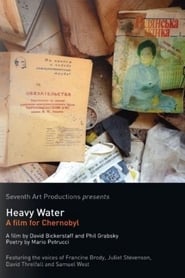
Heavy Water: A Film for Chernobyl
2007
star 6On April 26th, 1986, reactor four at Chernobyl nuclear power station explodes, sending an enormous radioactive cloud over Northern Ukraine and neighbouring Belarus. The danger is kept a secret from the rest of the world and the nearby population who go about their business as usual. May Day celebrations begin, children play and the residents of Pripyat marvel at the spectacular fire raging at the reactor. After three days, an area the size of England becomes contaminated with radioactive dust, creating a 'zone' of poisoned land. Based on Mario Petrucci's award-winning book-length poem (split over two books), 'Heavy Water: a film for Chernobyl', and the shorter version 'Half Life: a Journey to Chernobyl", tells the story of the people who dealt with the disaster at ground-level: the fire-fighters, soldiers, 'liquidators', and their families.Transparent
2006
Transparent
2006
star 1A documentary about 19 trans men from 14 different states who have given birth and, in most instances, gone on to raise their biological children.CERN
2013
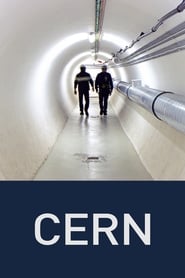
CERN
2013
star 5.5CERN in Switzerland is a research center where they try to recreate the big bang. Nikolaus Geyrhalter follows the center's infrastructure and meets the people who created the "Large Hadron Collider".Loose Lips - Her Last Interview
2013
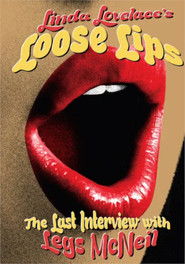
star 4.5Before Linda Lovelace's untimely death in 2002, the sex superstar sat for a no-holds barred interview with pop-culture historian Legs McNeil for his book, The Other Hollywood: The Uncensored Oral History of the Porn Film Industry. Fortunately McNeil hired a film crew to record the historic event as Linda recounted the making of ""Deep Throat,"" the most successful X-rated film in history, how she introduced oral sex to America, her turbulent relationship with manager/husband Chuck Traynor, her role (and exploitation by) the anti-porn movement that she helped launch with her bestselling book, Ordeal, in 1980, and her subsequent return to pornography in 2001. With additional comments by Marilyn Chambers, FBI Agent Bill Kelly, Chuck Traynor.Coming of Age in Cherry Grove: The Invasion
2014
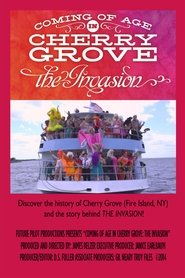
star 1Cherry Grove (Fire Island, NY) is the first openly LGBTQ community in the United States. One of the most accepting resort communities in the world, it is a place where everyone can discover who they really and enjoy being a free spirit.Sigmund Freud: Analysis of a Mind
1996
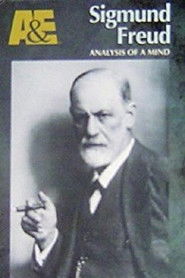
star 7.8Sigmund Freud's revolutionary ideas transformed our conception of the mind. Yet, fears and obsessions wracked the father of psychoanalysis. His theories continue to inspire debate, even as the discipline he invented drifts farther from his work. Through personal letters, diaries and interviews with biographers, psychiatrists and Freud's grandchildren, this documentary explores the life of the man who was once derided as the doctor of love.Emile Norman: By His Own Design
2007
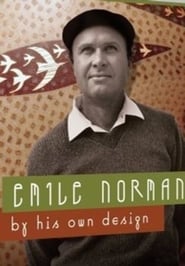
star 1Artist Emile Norman is the subject of this compelling documentary profile, which chronicles the 88-year-old's personal life as an "out" gay man long before it was the norm, as well as his lifelong dedication to his art. Norman, whose mixed-media works include the grand marble relief and ornate mosaic window of San Francisco's Masonic Auditorium, found success in New York but retreated to Big Sur, Calif., where he founded an artists' haven.Dorothea Lange: Grab A Hunk of Lightning
2014
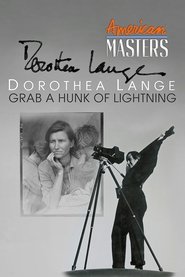
star 5More than four decades of 20th-century America are filtered through Dorothea Lange's life and lens. Known for her powerful images from the Great Depression, her haunting Migrant Mother remains emblematic of that period.FDR: Years of Crisis
1994
FDR: Years of Crisis
1994
star 3.8Franklin D. Roosevelt's life and political career are examined in this biography. Using rare historical footage and images, it delves into his early days as he entered politics, his battle with polio, his presidency, up to his death in 1945.Dark Legacy II
2014
Dark Legacy II
2014
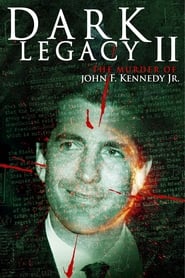
star 4.5Jaw-dropping evidence of foul play in the death of JFK Jr., all based on official gov't documents. The prime suspect, George W. Bush, though very publicly running for president, disappeared the day of the murder, and stayed missing for 3 days.Barolo Boys: The Story of a Revolution
2014
star 7.2The story of a group of friends, the "rebel boys" who made italian wine become so great, between generational conflicts, brilliant insights and never silenced controversies.Children of the Arctic
2014
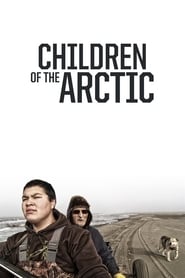
star 9Children of the Arctic is a portrait of five Native Alaskan teenagers growing up in Barrow - the northernmost community in the United States. As their climate and culture undergo profound changes, they strive to balance being modern American kids and the inheritors of an endangered way of life.Kings of Kallstadt
2014
Kings of Kallstadt
2014
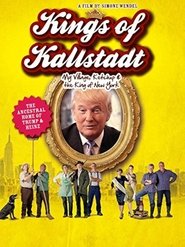
star 6What do real estate tycoon Donald Trump and the Heinz Tomato Ketchup dynasty have in common? Their ancestors come from Kallstadt, a small, quiet winegrowing village in the German Palatinate region. This powerful entrepreneurial spirit must be part of the genetic make-up! Director Simone Wendel-also from Kallstadt-explores the issue in depth.Enemy of the Reich: The Noor Inayat Khan Story
2014
star 9In 1943, Noor Inayat Khan was recruited as a covert operative into Winston Churchill's Special Operations Executive. With an American mother and Indian Muslim father, she was an extremely unusual British agent. After her network collapsed, Khan became the only surviving radio operator linking the British to the French Resistance in Paris, coordinating the airdrop of weapons and agents, and the rescue of downed Allied fliers.The Black Candle
2009
The Black Candle
2009
star 5.8The origins of Kwanzaa and the seven principles upon which the pan-African holiday derives its meaning are explored in this fascinating documentary. Narrated by Maya Angelou.Revolution '67
2007
Revolution '67
2007
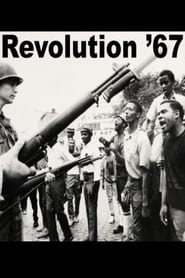
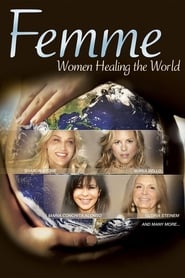
star 6A focus on the six-day Newark, N.J. riots in July 1967: they began as spontaneous revolts against poverty and police brutality and ended as fateful milestones in America's struggles over race and economic justice.Femme
2013
Femme
2013
star 7A documentary featuring interviews with 100 influential women from around the world.Bulgaria's Abandoned Children
2007
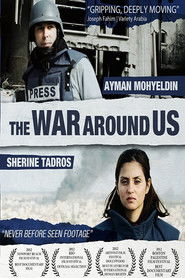
star 7.5An insight into the lack of treatment and care unwanted Bulgarian children get in care homes.The War Around Us
2014
The War Around Us
2014
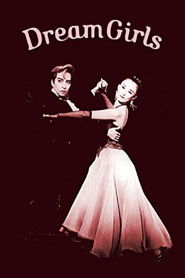
star 7In 2008 two best friends found themselves trapped in one of the most dangerous places on earth - the only western journalists in the Gaza Strip on what was supposed to be a 24-hour assignment. The War Around Us captures the collision of veteran war correspondent and one of TIME's most 100 influential people, Ayman Mohyeldin, with rookie reporter Sherine Tadros. As missiles shower the city and unspeakable atrocities emerge, the pair is torn by fierce professional rivalry, private terror and grim humor - with no way out and the whole world watching.Dream Girls
1994
Dream Girls
1994
star 1This film is about Japanese women, escape, glamour and dreams. The Takarazuka Revue is an enormously successful spectacular where the all-women cast create fantasies of erotic love and sensitive men. It is also a world for young girls desperate to do something different with their lives. In return for living a highly disciplined and reclusive existence, they will be adored and envied by many thousands of Japanese women. They will look, act and behave like young men while having no real men in their lives. Dream Girls explores the nature of sexual identity and the contradictory tensions that face young women in Japan today.