Top Rated Documentary Movies on Kanopy - Page 193
All Services
Free Services
 Netflix
 Amazon Prime Video
 Apple iTunes
 Apple TV Plus
 Disney Plus
 Google Play Movies
 Paramount Plus
 Hulu
Hulu
 HBO Max
 YouTube
 fuboTV
 Peacock
 Peacock Premium
 Amazon Video
 The Roku Channel
 AMC+
AMC on Demand
AMC+
AMC on Demand
 Kocowa
 Hoopla
 The CW
 Vudu
Vudu
 Starz
Starz
 Showtime
 PBS
PBS
 Pantaflix
 FXNow
FXNow
 Tubi TV
 Kanopy
 Comedy Central
 Crunchyroll
 Microsoft Store
 Redbox
 Sun Nxt
 ABC
ABC
 DIRECTV
 Crackle
 Fandor
 Plex
Plex
Netflix
Amazon Prime Video
Apple iTunes
Apple TV Plus
Disney Plus
Google Play Movies
Paramount Plus
Hulu
HBO Max
YouTube
fuboTV
Peacock
Peacock Premium
Amazon Video
The Roku Channel
AMC+
AMC on Demand
Kocowa
Hoopla
The CW
Vudu
Starz
Showtime
PBS
Pantaflix
FXNow
Tubi TV
Kanopy
Comedy Central
Crunchyroll
Microsoft Store
Redbox
Sun Nxt
ABC
DIRECTV
Crackle
Fandor
Plex

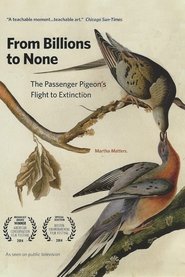
From Billions to None: The Passenger Pigeon's Flight to Extinction
2014
star 10The passenger pigeon, the most abundant bird species in North America for thousands of years, became extinct by human hands in a geologic heartbeat. Its story remains relevant to conservation challenges today, and there are even plans for its possible revival. Rare archival material, CGI animation, and aerial cinematography combine to recreate the awe-inspiring nature of these birds.Original Schtick
1999
Original Schtick
1999
star 8Explores the bittersweet process of an American artist's frenzied attempt to achieve fame and recognition through manufacturing his own hype and manipulating public perceptions of his constructed persona.SELANDIA: The ship That Changed the World
2012
star 8The Ship that Changed the World is a historical drama about the birth of the world's first ocean-going diesel-powered ship Selandia. A groundbreaking invention that changed the world forever. The film shows Selandia and the creators receiving worldwide acclaim. But for two of them success was short-lived. They died under mysterious circumstances shortly after the maiden voyage of Selandia. On the brink of the World War, and with Germany and England showing great interest in this invention, is it too farfetched to believe that these deaths were more than coincidental. - Written by Michael Schmidt-OlsenMax & James & Danielle
2015
star 6Max Ophuls is the legendary director and two of his favorite actors are James Mason and Danielle Darrieux. Mason and Darrieux were each in several Ophuls projects but were never together in an Ophuls movie, although they should have been. What might that movie have been like? It's anybody's guess (but cinephiles can dream, can't they?). Somewhere between a historical essay and a speculative one.California High
2015
California High
2015
star 8California has been arguing over whether or not marijuana should be legal for over 100 years. Now there's a new judge in this trial - you.I Was a Winner
2016
I Was a Winner
2016
star 5Two men and one woman addicted to videogames are interviewed to tell their stories. In this documentary, they are animated characters resembling the ones on computer games.Breathin': The Eddy Zheng Story
2016
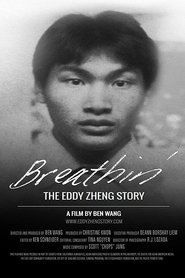
star 8Arrested at 16 and tried as an adult for kidnapping and robbery, Eddy Zheng served over 20 years in California prisons and jails. Ben Wang’s BREATHIN’: THE EDDY ZHENG STORY paints an intimate portrait of Eddy—the prisoner, the immigrant, the son, the activist—on his journey to freedom, rehabilitation and redemption. BREATHIN’ moves with a deep, critical love, unafraid in confronting the hard truths of Eddy’s crime, the harsh realities of mass incarceration and the intertwined emotional hardships experienced by all involved. The film finds Eddy at many crossroads — in and out of parole hearings, organizing in the community, othered and at risk of deportation — his resilience and astounding compassion resounding throughout. In chronicling Eddy’s decades-long struggle for freedom, the film interrogates the complexities and hypocrisies of crime and punishment in the United States, raising the greater question: For whom are prisons for?Marc and Ann
1991
Marc and Ann
1991
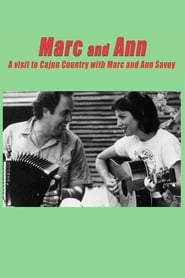
star 4Legendary filmmaker Les Blank's toe-tapping film treats us to a portrait of a musical Louisiana couple committed to celebrating and preserving Cajun culture.Un vrai faussaire
2016
Ancient Egypt
1939
Ancient Egypt
1939
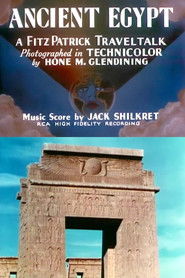
star 6This entry in the TravelTalks series visits the ancient Egypt. starting Valley of the Kings in a remote and desolate part of Egypt, the entrance to tomb of King Tut is shown, though the ts priceless treasure is now in the Cairo museum. A visit to Luxor and the ancient city of Thebes, which date to 1500 BC, follow with subsequent visits to Karnak. The film closes by noting that past and present are in harmony with the water wheel and village well still in wide use in the modern age.Link-Up Diary
1987
Link-Up Diary
1987
star 2.5An extraordinary personal journey into the experience of being black in a powerful white society. "Link-up Diary" is a film about the consequences of New South Wales long term practice of taking Aboriginal children away from their parents and raising them in "white" environments. In following the reunification, after many years, of several families in Sydney, during one week of 1986, the filmmaker adopts a diary format which does not attempt to disguise awareness of the camera's presence. This awareness becomes part of the film's subject.Ningla A-Na
1972
Ningla A-Na
1972
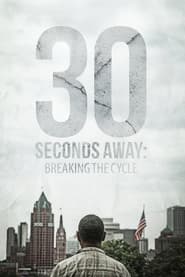
star 7Ningla A-Na documents the activism of the Black movement in south-east Australia in the 1970s and shows how the activists changed the direction of the movement both nationally and internationally.30 Seconds Away: Breaking the Cycle
2015
star 5A former federal agent takes you from Milwaukee's streets into its justice system, following Harold Sloan and six other homeless men over five years as they struggle to survive.The Circle Closes
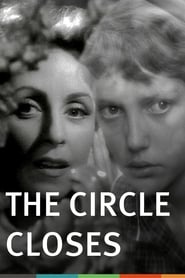
2015
The Circle Closes
2015
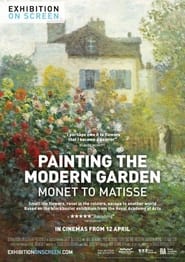
star 6An examination of four different films which to varying degrees center on a prop or an object or an item that crosses various characters' lives and passes from hand to hand. The story in each film is, to a certain extent, told from the point of view of the object which can neither speak nor evaluate the actions of the characters whose lives it touches and influences. The films? MME DE..., WINCHESTER '73, VIRDIANA and AU HASARD BALTHAZAR.Painting the Modern Garden: Monet to Matisse
2016
star 7.5Claude Monet was an avid horticulturist and arguably the most important painter of gardens in the history of art, but he was not alone. Great artists like Van Gogh, Bonnard, Sorolla, Sargent, Pissarro and Matisse all saw the garden as a powerful subject for their art. These great artists, along with many other famous names, feature in an innovative and extensive exhibition from The Royal Academy of Arts, London.Sadness
1999
Sadness
1999
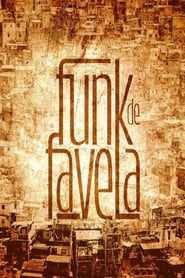
star 9Based on photographer William Yang's one man stage show, "Sadness" chronicles two diverging narratives through the use of slide photography, oral history and stylised recreation. One story follows Yang's pilgrimage into the heart of the North Queensland sugar cane fields as he investigates the murder of his uncle Fang Yuen. The other is a series of moving portraits of the many friends and lovers Yang has lost to AIDS. Director Tony Ayres skillfully weaves these two separate stories together creating a powerful testament to family, friends, love and loss. Cinematography by Tristan Milani. Narrated by William Yang.Inside the Mind of Favela Funk
2016
star 8Set in Rio de Janeiro's most notorious favelas, the underprivileged youth share their perspective on the extremely popular, pornographic favela funk music with respect to their personal (love) lives, situated in a lawless subculture of drug gangs, machismo, violence and sex.In Between
2015
In Between
2015
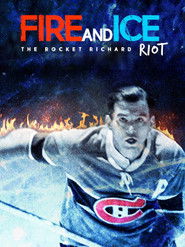
star 7Once there was an age of ice but it is disappearing. This is a lyrical and thought-provoking film about the death of an era and a moment in time. A time when stoic creatures are caught in between what once was and what will inevitably come.Fire and Ice: The Rocket Richard Riot
2000
star 1In 1955, as a hotly contested hockey season was coming to an end, the star of the Montreal Canadiens, Maurice "the Rocket" Richard, was suspended for attacking an opponent with a stick and hitting a referee by then president of the NHL Clarence Campbell. This set off a huge riot in the streets of Montreal. The documentary claims, unconvincingly, that this event added to the sparks of the political revolution in Quebec that led to the rise of the separatist movement.Frames of Reference
1960
Frames of Reference
1960
star 9.5An educational physics film utilizing a fascinating set consisting of a rotating table and furniture occupying surprisingly unpredictable spots within the viewing area, Leacock’s Frames of Reference (1960), features fine cinematography by Abraham Morochnik, and funny narration by University of Toronto professors Donald Ivey and Patterson Hume, in a wonderful example of the fun a creative team of filmmakers can have with a subject other, less imaginative types might find pedestrian.