Top Rated Documentary Movies on Kanopy - Page 195
All Services
Free Services
 Netflix
 Amazon Prime Video
 Apple iTunes
 Apple TV Plus
 Disney Plus
 Google Play Movies
 Paramount Plus
 Hulu
Hulu
 HBO Max
 YouTube
 fuboTV
 Peacock
 Peacock Premium
 Amazon Video
 The Roku Channel
 AMC+
AMC on Demand
AMC+
AMC on Demand
 Kocowa
 Hoopla
 The CW
 Vudu
Vudu
 Starz
Starz
 Showtime
 PBS
PBS
 Pantaflix
 FXNow
FXNow
 Tubi TV
 Kanopy
 Comedy Central
 Crunchyroll
 Microsoft Store
 Redbox
 Sun Nxt
 ABC
ABC
 DIRECTV
 Crackle
 Fandor
 Plex
Plex
Netflix
Amazon Prime Video
Apple iTunes
Apple TV Plus
Disney Plus
Google Play Movies
Paramount Plus
Hulu
HBO Max
YouTube
fuboTV
Peacock
Peacock Premium
Amazon Video
The Roku Channel
AMC+
AMC on Demand
Kocowa
Hoopla
The CW
Vudu
Starz
Showtime
PBS
Pantaflix
FXNow
Tubi TV
Kanopy
Comedy Central
Crunchyroll
Microsoft Store
Redbox
Sun Nxt
ABC
DIRECTV
Crackle
Fandor
Plex

DocoBANKSY
2012
DocoBANKSY
2012
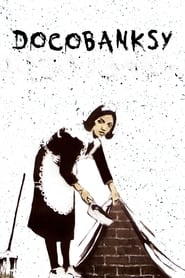
star 5From the streets of Bristol to the caverns of London and beyond, BanksyDoc finds the truths and explores the impact that the world’s most famous graffiti artist has had on the art world, on the expression of protest and satire, and on the perception of what you can do with a spray can and a stencil. Furthermore, this documentary explores the highly active art collector's world and how the celebrity factor shockingly influences value.Sexters
2013
Sexters
2013
star 3Examining the modern phenomenon of "sexting"; the sending of dirty messages and naughty pictures via a mobile phone.Forget Everything You Have Ever Seen: The World of Santa Sangre
2011
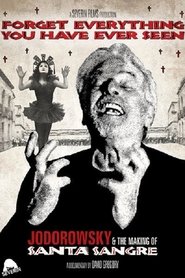
star 7After his dream project DUNE fell apart, visionary filmmaker Alejandro Jodorowsky took a break from cinema, only to return over a decade later with his most triumphant work: SANTA SANGRE.The Power of Thought
2014
The Power of Thought
2014
star 7For generations, researchers have been trying to unravel the nature of human thought. Thoughts are invisible but have great effect, evidently reaching beyond our own bodies. Through each decision we direct the course of our lives & decide our fate.The Son of the Olive Merchant
2010
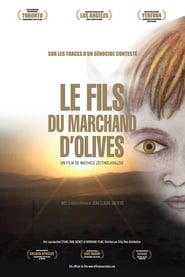
star 7For their honeymoon, Anna and Mathieu went to Turkey. With camera in hand, they traced the footsteps of Garabed, the Armenian grand-father of Mathieu, who escaped the 1915 genocide. In this country where speaking of the Armenian genocide could be dangerous, their name with Turkish intonations serves a purpose to get people talking about their idea of the Turkish involvement during 1915 tragedy. A road trip across the country leads to a sad confirmation - the denial has become institutional.Going Medieval
2012
Going Medieval
2012
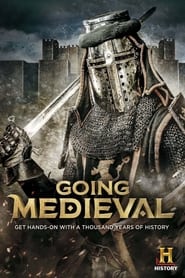
star 10In this two-hour H2 special, historian and weapons expert Mike Loades goes medieval diving deep into the world of the Middle Ages. From the 5th to the 15th centuries, Mike battles the realities vs. the myths of this extraordinary time crusading for the core of real life while delivering fun-filled facts. From living, working and fighting to how to keep a knight's armor shiny using a vigorous rub of sand, vinegar and urine, Going Medieval is an expert account of life during medieval times.Clean Spirit: In the Heart of the Tour
2014
star 6A unique and compelling inside story of cycling team, Argos-Shimano, keen on showing that winning is possible without any use of doping.Which Way Is East: Notebooks from Vietnam
1994
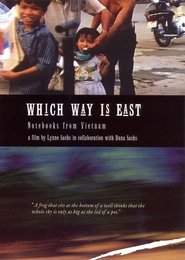
star 6In this illuminating study of cultural contrasts, American filmmaker Lynne Sachs and her sister, Dana, travel north from Ho Chi Minh City to Hanoi, recording conversations with Vietnamese strangers and friends. The sisters' expansive travel diary covers tourism, insights into city life, pervasive culture clashes and a bracing historic inquiry. What begins as a picaresque road trip soon blossoms into a richer social and political discourse.Desert People
1967
Desert People
1967
star 5Two Aboriginal families live like their ancestors have for centuries in this anthropological documentary. The gathering of food is the main focus as women harvest grass seeds to make a primitive flour for bread. Grubs, lizards, and fruit are also on the menu, with the only contact with the modern world being their trek to a government compound for much-needed drinking water.Red Dot on the Ocean: The Matt Rutherford Story
2014
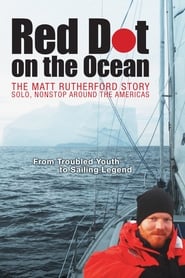
star 7Red Dot on the Ocean is the story of Matt Rutherford, a severely troubled youth, who became a sailing legend. Departing Annapolis, MD in a scrappy old 27-foot fiberglass sloop without fanfare, 30-year-old Rutherford braved the icebergs of the arctic and mountainous waves of Cape Horn to become the only person to ever sail single-handed, non-stop around the Americas; a 27,000 mile journey many professional sailors declared "a suicide mission."In Remembrance of Martin
1986
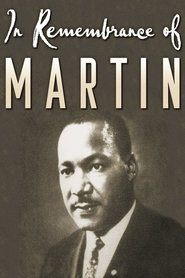
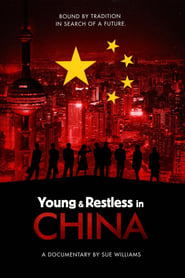
star 9Personal comments from family, friends, and advisors fill this remarkable documentary honoring Dr. Martin Luther King, Jr. Coretta Scott King joins the Reverend Ralph Abernathy, Julian Bond, Jimmy Carter, the Reverend Jesse Jackson, Senator Edward Kennedy, John Lewis, Bishop Desmond Tutu, and Andrew Young, who recall Dr. King's career and trace his leadership in the civil rights movement. Includes portions of his "I Have a Dream" speech.Young & Restless in China
2008
star 9Helmed by Sue Williams, this eye-opening documentary follows a cross section of Chinese entrepreneurs, pacesetters and struggling Gen-Xers swept up in a bubbling cauldron of rapid social and economic transition. Profiling a handful of people -- including an activist attorney, a hotelier and a downtrodden rap artist -- the film charts their trajectories over the course of four years and looks at how the sweeping transformations are affecting them.You Belong to Me: Sex, Race and Murder in the South
2015
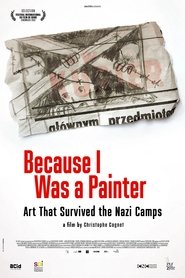
star 6In 1952 Ruby McCollum, a black woman, killed her white doctor in Live Oak, Fla after years of sexual abuse. The remarkable secrets and terrible truths revealed during her trial and incarceration haunted jurors and prosecutors for decades.Because I Was a Painter: Art That Survived the Nazi Camps
2014
star 7In 1945, when the Allies liberated the concentration camps, they discovered thousands of secretly created artworks. With unprecedented access to paintings, drawings, etchings and sculptures held in collections around the world, BECAUSE I WAS A PAINTER conducts a gripping and fascinating investigation into art that captures, reflects and inspires in difficult times.Vineyards of Italy: Wines of Northern Italy
2007
star 10Discover northern Italy's rich wine country with this in-depth tour. Viewers will visit wineries and vineyards throughout the region to explore the history, culture, methods and popular labels found in each. The journey begins in Trentino, home to Spumante, followed by Friuli, Piedmont, Lombardy and Emilia Romagna. The program also includes a stop in Veneto, one of the country's most vital winemaking areas.Captivated
2013
Captivated
2013
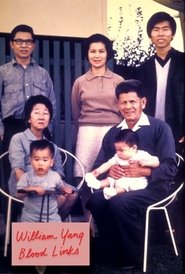
star 8Captivated features insights from media experts as well as personal stories from individuals and families who have escaped media addiction and learned to make discerning and God-honoring choices about their use of media technology.William Yang Blood Links
2014
star 7Renowned Australian artist William Yang traces the labyrinthine web of his family history in this adaptation of his iconic live performance piece. William was born and raised in North Queensland, his grandparents having migrated from China to the Top End during the 1880s gold rush. Yet it was not until mid-life that he claimed his Chinese heritage, which had hitherto been lost to him by his complete assimilation into the Australian way of life. William's transatlantic exploration of his genealogy unites him with scores of relatives from all walks of life, some rich, but most ordinary folk with menial jobs, and most cannot speak a word of Chinese. A visual feast, Blood Links examines how the Chinese diaspora establish roots in foreign soil, and how over the generations, through intermarriage, blood is mixed; yet the intricate bonds of family remain.Fatal Distraction
2021
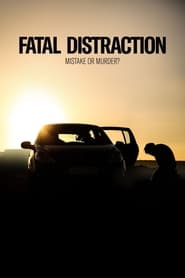
Fatal Distraction
2021
star 8The untold story of the high-profile murder trial of Justin Ross Harris following the death of his toddler son in the hot summer of 2014.Prince Among Slaves
2008
Prince Among Slaves
2008
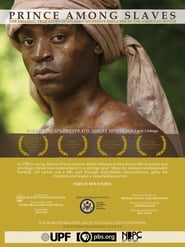
star 6Abdul Rahman, an African prince who was sold into slavery, spent four decades in servitude before an amazing coincidence took him to the White House to meet President John Quincy Adams, where he was granted his freedom. Mos Def narrates this PBS documentary that includes reenactments of scenes from Rahman's life and interviews with historians who discuss the conditions faced by slaves in early America.Algren
2021
Algren
2021
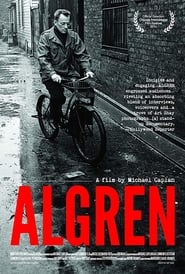
star 6Algren will spotlight the hard-knock life and authentic creative legacy of one of the most underrated writers of the twentieth century, Nelson Algren. Algren's brutally honest portrayal of the American underclass and his hard-nosed lifestyle became his pathway to compassion. Through interviews with Algren contemporaries, experts, and "literary soulmates," as well as through the photography of Algren's friends, Art Shay and Stephen Deutch, the film will tell his story. It will celebrate his tremendous contribution to and influence on American letters, and push Algren, champion of the marginalized, out from the margins.