Top Rated Documentary Movies on Kanopy - Page 94
All Services
Free Services
 Netflix
 Amazon Prime Video
 Apple iTunes
 Apple TV Plus
 Disney Plus
 Google Play Movies
 Paramount Plus
 Hulu
Hulu
 HBO Max
 YouTube
 fuboTV
 Peacock
 Peacock Premium
 Amazon Video
 The Roku Channel
 AMC+
AMC on Demand
AMC+
AMC on Demand
 Kocowa
 Hoopla
 The CW
 Vudu
Vudu
 Starz
Starz
 Showtime
 PBS
PBS
 Pantaflix
 FXNow
FXNow
 Tubi TV
 Kanopy
 Comedy Central
 Crunchyroll
 Microsoft Store
 Redbox
 Sun Nxt
 ABC
ABC
 DIRECTV
 Crackle
 Fandor
 Plex
Plex
Netflix
Amazon Prime Video
Apple iTunes
Apple TV Plus
Disney Plus
Google Play Movies
Paramount Plus
Hulu
HBO Max
YouTube
fuboTV
Peacock
Peacock Premium
Amazon Video
The Roku Channel
AMC+
AMC on Demand
Kocowa
Hoopla
The CW
Vudu
Starz
Showtime
PBS
Pantaflix
FXNow
Tubi TV
Kanopy
Comedy Central
Crunchyroll
Microsoft Store
Redbox
Sun Nxt
ABC
DIRECTV
Crackle
Fandor
Plex

Mammy Water
1953
Mammy Water
1953
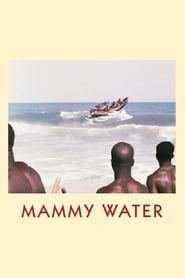
star 5"Mammy Water" is mother sea, source of food. Jean Rouch filmed this short documentary in the Gulf of Guinea, in Ghana, where is held a colorful festival, the Chama, in which the participants offer cassava, gin and tobacco to the spirits of water and sacrifice a white ox to thank them and express their gratitude and respect.American Promise
2013
American Promise
2013
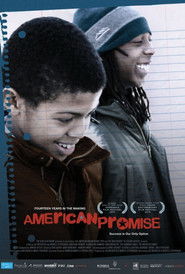
star 6.7In 1999, filmmakers Joe Brewster and Michèle Stephenson turned the camera on themselves and began filming their five-year-old son, Idris, and his best friend, Seun, as they started kindergarten at the prestigious Dalton School just as the private institution was committing to diversify its student body. Their cameras continued to follow both families for another 12 years as the paths of the two boys diverged—one continued private school while the other pursued a very different route through the public education system.One Nation Under God
1993
One Nation Under God
1993
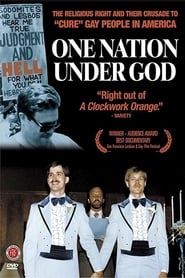
star 4.7Focusing on the contemporary religious Right Wing proliferation of curative therapies for homosexuality, this riveting documentary offers historical context as well as a political analysis of this frighteningly large movement.whisper & SHOUT
1988
whisper & SHOUT
1988
star 7Documents important parts of the East German rock music scene of the late 1980s, from well-established bands like Silly, to underground rock bands like Feeling B. This road movie features young people using music to express their take on life, opposition to their parents' generation and opinions on the social and political climate in East Germany. It includes clips from concerts and interviews with fans and members of various bands, such as Feeling B's Christian Lorenz and Paul Landers, now members of Rammstein.The War at Home
1979
The War at Home
1979
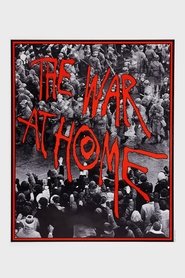
star 7.2Documentary film about the anti-war movement in the Madison, Wisconsin area during the time of the Vietnam War. It combines archival footage and interviews with participants that explore the events of the period on the University of Wisconsin–Madison campus.Zapatista
1999
Zapatista
1999
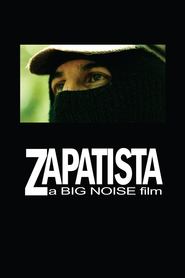
star 5.2"Zapatista" is the definitive look at the uprising in Chiapas. It is the story of a Mayan peasant rebellion armed with sticks and their word against a first world military. It is the story of a global movement that has fought 175,000 federal troops to a stand still and transformed Mexican and international political culture forever.The Invisible Men
2012
The Invisible Men
2012
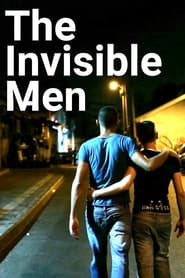
star 4.2An untold side of the Israeli-Palestinian Conflict: gay Palestinians - Louie, Abdu and Fares - are hiding in Tel Aviv, and until they escape, they must remain 'the invisible men'.Fish out of Water
2009
Fish out of Water
2009
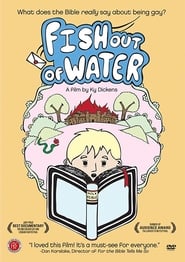
star 4.5Fish out of Water tackles the seven Bible verses used to condemn homosexuality and justify marriage discrimination. This feature documentary uses humor and original animation to make a traditionally complex and controversial topic accessible to those who don't like talking about religion and sexuality. Fish out of Water dives into the underbelly of America, crisscrosses red and blue states and talks to ministers from every denomination to uncover America's impassioned relationship with homosexuality and the Bible. With slapstick animation and quirky interviews taken everywhere from barbershops to mega churches, Fish out of Water delivers a voice to the oppressed and informs to the misled. Most importantly, Fish out of Water sits down with hundreds of gay, lesbian, bisexual and transgender folks to impart their experiences with faith and sexuality.Hollywood on Trial
1976
Hollywood on Trial
1976
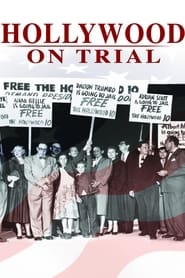
star 5.5A detailed look at the events leading up to the blacklisting of Hollywood writers and artists. In October 1947 nineteen Hollywood personalities were subpoenaed by the House Committee on Un-American Activities to testify about their knowledge or possible involvement in the American Communist Party. The first ten to be called refused to cooperate, claiming their first amendment rights, were cited for contempt of Congress and sent to prison. They became known as the "Hollywood Ten" and this is their story.Seeing Red: Stories of American Communists
1983
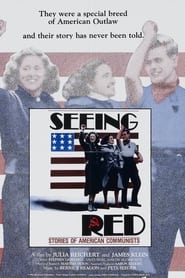
star 6.3A unique documentary that looks at the political activities of the American Communist Party in the early to mid-twentieth century.Two Days In April
2007
Two Days In April
2007
star 7.3Follows the story of 4 college football players signed by the sports agency IMG, as they bring them to a training facility in Florida and both physically and mentally prepare them for the NFL draft.The Girls in the Band
2011
star 6.2THE GIRLS IN THE BAND tells the poignant, untold stories of female jazz and big band instrumentalists and their fascinating, groundbreaking journeys from the late 1930s to the present day.God's Will
1992
God's Will
1992
star 5.8Filmmaker David Achkar searches for his father, Marof Achkar, who was sent to the notorious Camp Boiro prison in 1969 for treason.Privilege
1990
Privilege
1990
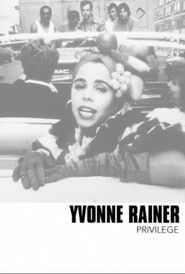
star 3.8Privilege is an intelligently conceived, boldly anarchic, and wickedly insightful exposition on the culturally ingrained and socially divisive malaise of isms that artificially define and characterize empowerment in contemporary society: ageism, sexism, economic elitism, and racism. Yvonne Rainer conveys texture through the intercutting of archival footage, video, and film - as well as compositional layering through the film-within-a-film structure, elliptical (and self-referential) fusion of past and present, and the filmmaker's idiosyncratic penchant for superimposed typed text.From the Journals of Jean Seberg
1995
star 5.8Mark Rappaport's creative bio-pic about actress Jean Seberg is presented in a first-person, autobiographical format. He seamlessly interweaves cinema, politics, American society and culture, and film theory to inform, entertain, and move the viewer. Seberg's many marriages, as well as her film roles, are discussed extensively. Her involvement with the Black Panther Movement and subsequent investigation by the FBI is covered. Notably, details of French New Wave cinema, Russian Expressionist (silent) films, and the careers of Jane Fonda, Vanessa Redgrave, and Clint Eastwood are also intensively examined. Much of the film is based on conjecture, but Rappaport encourages viewers to re-examine their ideas about women in film with this thought-provoking picture.Say Amen, Somebody
1983
Say Amen, Somebody
1983
star 6.8Documentary on modern black gospel music, focusing on the pioneering Rev. Thomas Dorsey and Mother Willie Mae Ford SmithMoving Midway
2007
Moving Midway
2007
star 6.5When New York film critic Godfrey Cheshire returns home to North Carolina in early 2004 and hears that his cousin Charlie Silver plans to uproot and move the buildings of Midway Plantation, their family’s ancestral home, an extraordinary, emotional journey begins.Shadows of a Leader: Qaddafi's Female Bodyguards
2004
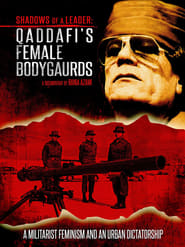
star 7The documentary investigates the phenomenon of Qaddafi's elite female bodyguard corps and the tensions these women embody: tensions between Islam, modernisation in a nomadic society, a militarist feminism and an urban dictatorship.Runaway
2001
Runaway
2001
star 6RUNAWAY follows the stories of five young girls who arrive at a refuge in Iran’s capital city Tehran, having run away from abusive or neglectful families. Some are in despair, others are simply mischievous; but somehow they must all learn to face the future.Family Portrait in Black and White
2011
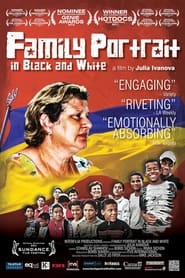
star 7.2In a small Ukrainian town, Olga Nenya, raises 16 black orphans amidst a population of Slavic blue-eyed blondes. Their stories expose the harsh realities of growing up as a bi-racial child in Eastern Europe.