Top Rated History Movies on Kanopy - Page 26
All Services
Free Services
 Netflix
 Amazon Prime Video
 Apple iTunes
 Apple TV Plus
 Disney Plus
 Google Play Movies
 Paramount Plus
 Hulu
Hulu
 HBO Max
 YouTube
 fuboTV
 Peacock
 Peacock Premium
 Amazon Video
 The Roku Channel
 AMC+
AMC on Demand
AMC+
AMC on Demand
 Kocowa
 Hoopla
 The CW
 Vudu
Vudu
 Starz
Starz
 Showtime
 PBS
PBS
 Pantaflix
 FXNow
FXNow
 Tubi TV
 Kanopy
 Comedy Central
 Crunchyroll
 Microsoft Store
 Redbox
 Sun Nxt
 ABC
ABC
 DIRECTV
 Crackle
 Fandor
 Plex
Plex
Netflix
Amazon Prime Video
Apple iTunes
Apple TV Plus
Disney Plus
Google Play Movies
Paramount Plus
Hulu
HBO Max
YouTube
fuboTV
Peacock
Peacock Premium
Amazon Video
The Roku Channel
AMC+
AMC on Demand
Kocowa
Hoopla
The CW
Vudu
Starz
Showtime
PBS
Pantaflix
FXNow
Tubi TV
Kanopy
Comedy Central
Crunchyroll
Microsoft Store
Redbox
Sun Nxt
ABC
DIRECTV
Crackle
Fandor
Plex

German Concentration Camps Factual Survey
2017
star 7.3On the 29th September 1945, the incomplete rough cut of a brilliant documentary about concentration camps was viewed at the MOI in London. For five months, Sidney Bernstein had led a small team – which included Stewart McAllister, Richard Crossman and Alfred Hitchcock – to complete the film from hours of shocking footage. Unfortunately, this ambitious Allied project to create a feature-length visual report that would damn the Nazi regime and shame the German people into acceptance of Allied occupation had missed its moment. Even in its incomplete form (available since 1984) the film was immensely powerful, generating an awed hush among audiences. But now, complete to six reels, this faithfully restored and definitive version produced by IWM, is being compared with Alain Resnais’ Night and Fog (1955).Eadweard Muybridge, Zoopraxographer
1975
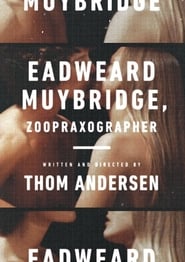
star 7.2Thom Andersen's hour-long documentary adroitly combines biography, history, film theory, and philosophical reflection. Muybridge's photographic studies of animal locomotion in the 1870s were a major forerunner of movies; even more interesting are his subsequent studies of diverse people, photographed against neutral backgrounds.Antigone
1961
Antigone
1961
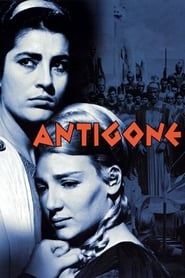
star 7.6In Thebes in ancient Greece, King Oedipus kills his father and marries his mother Jocasta, having two sons - Eteocles and Polyneices - and two daughters - Ismene and Antigone. King Oedipus dies a beggar in the exile after gouging out his own eye, and Eteocle agrees to reign in Thebes in alternating years with Polynices. However, he refuses to resign after the first year and Polynieces raises an army and attacks Thebes, and they kill each other. The ruler of Thebes Creon decrees that Eleocles should have an honorable burial while the body of the traitor Polyneices should be left on the battlefield to be eaten by the jackals and vultures. However, Antigone, who was betrothed to Creon's surviving son Haemon, defies Creon's orders and buries her brother. When Creon is reported of the attitude of Antigone, he sentences her to be placed in a tomb alive. Antigone hangs herself in the tomb and Haemon tries to kill his father first and then he kills himself with his sword...Brooklyn Bridge
1981
Brooklyn Bridge
1981
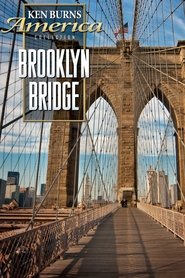
star 7.6Today it's a symbol of strength and vitality. 135 years ago, it was a source of controversy. This documentary examines the great problems and ingenious solutions that marked the construction of the Brooklyn Bridge. From conception to construction, it traces the bridge's transformation from a spectacular feat of heroic engineering to an honored symbol in American culture.Quisling: The Final Days
2024
star 6.1After five years, the German occupation of Norway ends on 8 May 1945. The rebuilding of the nation can begin, but first the final chapter must be written. In a dark cell at Akershus Fortress sits the man who committed the greatest treason of all: Vidkun Quisling. Now he must be held accountable for his actions and the atrocities that Nazi ideology led to.Combat Obscura
2018
Combat Obscura
2018
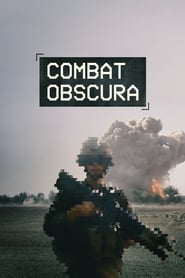
star 6.9Former combat videographer Miles Lagoze presents personal footage of U.S. Marines in the Afghan war zone.A Tale of Two Cities
1980
A Tale of Two Cities
1980
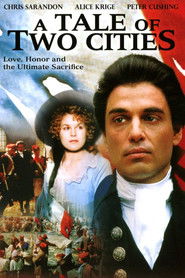
star 5.7Set against the conditions leading up to the French Revolution and the Reign of Terror, French doctor Alexandre Manette serves an 18-year imprisonment in the Bastille in Paris, followed by his release to live in London with the daughter he has never met.The Adventures of Werner Holt
1965
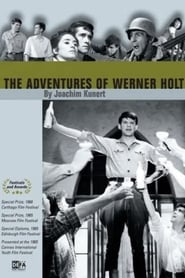
star 7.8Two 17-year-olds, Werner Holt and Gilbert Wolzow, are pulled out of school and into Hitler's army. Gilbert becomes a fanatical soldier; but at the front, Werner begins to understand the senselessness of war.Before, Now & Then
2022
Before, Now & Then
2022
star 7.1Set against Indonesia’s turbulent post-independence years in the 1960s, the story revolves around the domestic life of a woman whose personal life has been completely overturned by the political turmoil.The King's Letters
2019
The King's Letters
2019
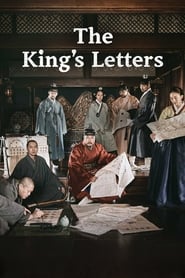
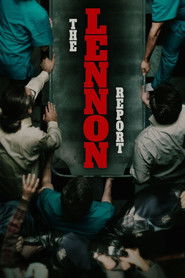
star 7.3In the 15th century, despite so many accomplishments he has made for the people, King Sejong, his biggest goal is still remaining; the invention of original letters that can be read and written by all the people. But courtiers who want to dominate the knowledge and the power, are against his will and discourage his belief. Frustrated King Sejong hears about a bonze Sinmi a phonogram expert, and secretly brings him in the palace.The Lennon Report
2016
The Lennon Report
2016
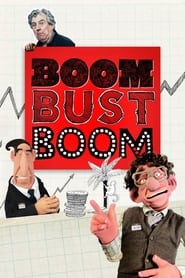
star 6.1The events on the night John Lennon was killed, seen through the eyes of those who lived it. The great men and women of NYC who did all they could to save a life, some without even knowing it was John Lennon himself. Based on a true story.Boom Bust Boom
2015
Boom Bust Boom
2015
star 7.2Terry Jones presents Boom Bust Boom. The result of a meeting between writer, director, historian and Python Terry Jones and economics professor and entrepreneur Theo Kocken. Co-written by Jones and Kocken and featuring John Cusack, Nobel Prize winners Daniel Kahneman, Robert J Shiller and Paul Krugman, the film is part of a global movement to change the economic system through education to protect the world from boom and bust. A unique look at why economic crashes happen, Boom Bust Boom is a multimedia documentary combining live action with animation and puppetry to explain economics to everyone.Vita Activa: The Spirit of Hannah Arendt
2015
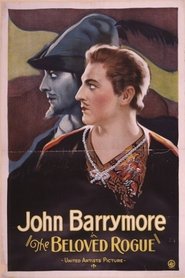
star 7.4The life and work of German political philosopher of Jewish descent Hannah Arendt (1906-75), who caused a stir when she coined a subversive concept, the banality of evil, in her 1963 book on the trial of Nazi war criminal Adolph Eichmann (1906-62), held in Israel in 1961, which she covered for the New Yorker magazine.The Beloved Rogue
1927
The Beloved Rogue
1927
star 6.6François Villon, in his lifetime the most renowned poet in France, is also a prankster, an occasional criminal, and an ardent patriot.On the Barricade
1907
On the Barricade
1907
star 5.1During the Paris Commune, a boy runs across trouble at the barricade. The film is now attributed to Alice Guy-Blaché by the Gaumont company, although there is some debate about whether it was directed by Étienne Arnaud.Ferdinando and Carolina
1999
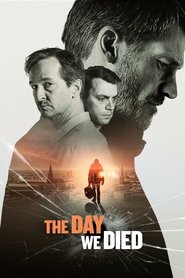
star 6.1On his death bed in the 1820s, King Ferdinando I of Naples tries to escape the ghosts of his bloody kingship by remembering his younger days, when he was allowed to go hunting and have fun, and inventing love games. Then he was obliged to marry Mary Caroline of Austria, daughter of Empress Mary Theresa, in a political marriage: unexpectedly, they became happy lovers, until court power games divided them, and a different historical season arrived.The Day We Died
2020
The Day We Died
2020
star 5.5Film about the events surrounding the terrorist attacks in Copenhagen on February 14th and 15th 2015.Adriana's Pact
2017
Adriana's Pact
2017
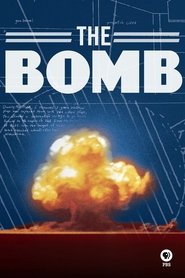
star 7.4Lissette's favorite aunt Adriana, who lives in Australia, is arrested in 2007 while visiting her family in Chile and accused of having worked for dictator Pinochet's notorious secret police, the DINA, and of having participated in the commission of state crimes. When Adriana denies these accusations, Lissette begins to investigate her story in order to film a documentary about her.The Bomb
2015
The Bomb
2015
star 6.8Using masterfully restored footage from recently declassified images, The Bomb tells a powerful story of the most destructive invention in human history. From the earliest testing stages to its use as the ultimate chess piece in global politics, the program outlines how America developed the bomb, how it changed the world and how it continues to loom large in our lives. The show also includes interviews with prominent historians and government insiders, along with men and women who helped build the weapon piece by piece.Castles in the Sky
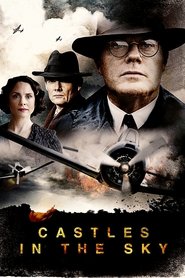
2014
Castles in the Sky
2014
star 5.8England, while the storm clouds of Nazism menace Germany. Robert Watson Watt and a team of eccentric and brilliant meteorologists struggle to turn the mere idea of radar into a functional reality.