Top Rated History Movies on Kanopy - Page 29
All Services
Free Services
 Netflix
 Amazon Prime Video
 Apple iTunes
 Apple TV Plus
 Disney Plus
 Google Play Movies
 Paramount Plus
 Hulu
Hulu
 HBO Max
 YouTube
 fuboTV
 Peacock
 Peacock Premium
 Amazon Video
 The Roku Channel
 AMC+
AMC on Demand
AMC+
AMC on Demand
 Kocowa
 Hoopla
 The CW
 Vudu
Vudu
 Starz
Starz
 Showtime
 PBS
PBS
 Pantaflix
 FXNow
FXNow
 Tubi TV
 Kanopy
 Comedy Central
 Crunchyroll
 Microsoft Store
 Redbox
 Sun Nxt
 ABC
ABC
 DIRECTV
 Crackle
 Fandor
 Plex
Plex
Netflix
Amazon Prime Video
Apple iTunes
Apple TV Plus
Disney Plus
Google Play Movies
Paramount Plus
Hulu
HBO Max
YouTube
fuboTV
Peacock
Peacock Premium
Amazon Video
The Roku Channel
AMC+
AMC on Demand
Kocowa
Hoopla
The CW
Vudu
Starz
Showtime
PBS
Pantaflix
FXNow
Tubi TV
Kanopy
Comedy Central
Crunchyroll
Microsoft Store
Redbox
Sun Nxt
ABC
DIRECTV
Crackle
Fandor
Plex

Dial H-I-S-T-O-R-Y
1997
Dial H-I-S-T-O-R-Y
1997
star 6.9An acclaimed hijacking documentary that eerily foreshadowed 9/11. We meet the romantic skyjackers who fought their revolutions and won airtime on the passenger planes of the 1960s and '70s. By the 1990s, such characters were apparently no more, replaced on our TV screens by stories of anonymous bombs in suitcases. Director Johan Grimonprez investigates the politics behind this change, at the same time unwrapping our own complicity in the urge for ultimate disaster.The Singing Revolution
2006
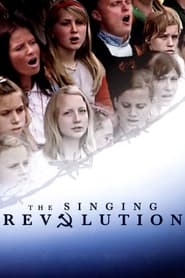
star 6Most people don't think about singing when they think about revolutions. But song was the weapon of choice when, between 1986 and 1991, Estonians sought to free themselves from decades of Soviet occupation. During those years, hundreds of thousands gathered in public to sing forbidden patriotic songs and to rally for independence. "The young people, without any political party, and without any politicians, just came together ... not only tens of thousands but hundreds of thousands ... to gather and to sing and to give this nation a new spirit," remarks Mart Laar, a Singing Revolution leader featured in the film and the first post-Soviet Prime Minister of Estonia. "This was the idea of the Singing Revolution." James Tusty and Maureen Castle Tusty's "The Singing Revolution" tells the moving story of how the Estonian people peacefully regained their freedom--and helped topple an empire along the way.Dreaming Walls
2022
Dreaming Walls
2022
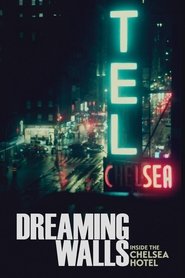
star 5.9The end of an eight-year upmarket renovation of the legendary Chelsea Hotel is partly longed for and partly dreaded by the artists who still live there. The film grants us access to their apartments and interweaves the past with the present.1618
2023
1618
2023
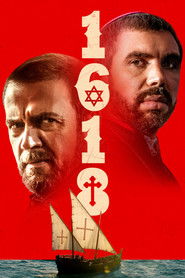
star 6The Inquisition continues the persecution of Portuguese Jews, sending Visitador Sebastião Noronha to the city of Oporto. With his family and community in danger, António Álvares, decides to outline an escape plan.Neither Hero Nor Traitor
2020
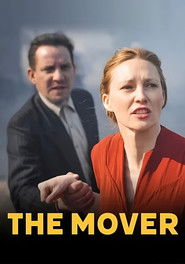
star 6.8Matías dreams of going to study music in Spain. He must convince his girlfriend to join him later and deal with his father's opposition. But the board changes completely when the Falklands war is declared and he is called to fight.The Mover
2018
The Mover
2018
star 7.4Hardly anyone would have predicted that Žanis Lipke would miraculously become a hero. He was a completely ordinary Latvian blue-collar worker. In order to be able to support his family under wartime conditions, he worked at the German military aviation warehouses and supplemented his income by smuggling at night. This film attempts to answer the question whether Žanis’ courage stems from his adventurous and daring spirit, stubbornness, or a sense of responsibility towards people in need.The Road to Mother
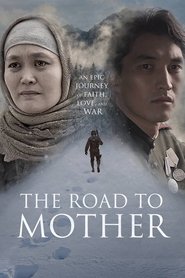
2016
The Road to Mother
2016
star 6.6When the Soviets impose new ways of collective farming and permanent settlements on a region of nomadic dwellers, young Ilyas is separated from his mother, Mariam. Through decades of war, mother and son persevere in their efforts to be reunited.The Lost Arcade
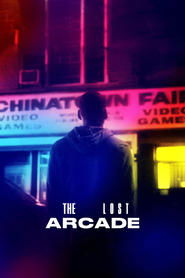
2015
The Lost Arcade
2015
star 7Chinatown Fair opened as a penny arcade on Mott Street in 1944. Over the decades, the dimly lit gathering place, known for its tic-tac-toe playing chicken, became an institution, surviving turf wars between rival gangs, changing tastes and the explosive growth of home gaming systems like Xbox and Playstation that shuttered most other arcades in the city. But as the neighborhood gentrified, this haven for a diverse, unlikely community faced its strongest challenge, inspiring its biggest devotees to next-level greatness.Colliding Dreams
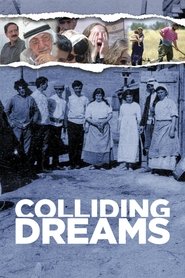
2015
Colliding Dreams
2015
star 6.9We live at a moment in time when the Israeli-Palestinian conflict, now more than a century old, continues to be of overwhelming international political and societal importance. From its inception, that conflict has also, of course, had powerful and deeply troubling consequences for Israelis and Palestinians themselves. The story at its most basic level is one that involves two peoples struggling for national recognition and expression in a small but richly significant piece of land. The tragedy of this history, as both the Israeli novelist, Amos Oz, and the Palestinian scholar, Sari Nusseibeh, have each pointed out, stems from a conflict between the rights of two peoples with equal and legitimate aspirations to nationhood and self-expression in a single small territory to which they can both lay claim.Northern Lights
1978
Northern Lights
1978
star 6.3The bittersweet story of young lovers caught up in a political struggle waged by farmers against the grain trade, the banks, and the railroads. Set in 1915–16 North Dakota, a largely forgotten era of American history.United in Anger: A History of ACT UP
2012
star 6.9United in Anger: A History of ACT UP is an inspiring documentary about the birth and life of the AIDS activist movement from the perspective of the people in the trenches fighting the epidemic. Utilizing oral histories of members of ACT UP, as well as rare archival footage, the film depicts the efforts of ACT UP as it battles corporate greed, social indifference, and government negligence.American Teacher
2011
American Teacher
2011
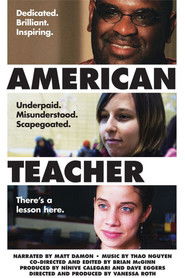
star 5.7As the debate over the state of America's public school system rages on, one thing everyone agrees on is the need for great teachers. Yet, while research proves that teachers are the most important school factor in a child's future success, America's teachers are so woefully underpaid that almost a third must divide their time between a second job in order to make a living. Chronicling the stories of four teachers in different areas of the country, American Teacher reveals the frustrating realities of today's educators, the difficulty of attracting talented new teachers, and why so many of our best teachers feel forced to leave the profession altogether. But this wake-up call to our system's failings also looks at possibilities for reform. Can we re-value teaching in the United States and turn it into a prestigious, financially attractive and competitive profession? With almost half of American teachers leaving the field in the next five years, now is the time to find out.Breaking the Maya Code
2008
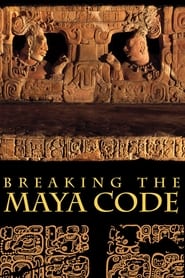
star 6The complex and beautiful hieroglyphic script of the ancient Maya was until recently one of the last great undeciphered writing systems. Based on the best-selling book by Michael Coe, called by the New York Times "one of the great stories of 20th century scientific discovery", Breaking the Maya Code traces the epic quest to unlock the secrets of the script across 200 years, nine countries and three continents.It's Hard Being Loved by Jerks
2008
star 6.8The murder of Dutch filmmaker Theo van Gogh by an Islamic extremist in 2004, followed by the publishing of twelve satirical cartoons depicting the prophet Mohammed that was commissioned for the Danish newspaper Jyllands-Posten, provides the incendiary framework for Daniel Leconte's provocative documentary, It's Hard Being Loved by Jerks.Mad About the Boy: The Noël Coward Story
2023
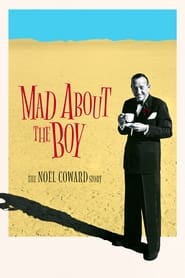
star 6.4The extraordinary life of playwright, singer, actor, composer, and director Noël Coward, who rose from poverty to stardom while keeping his sexuality a secret. Featuring Laurence Olivier, Maggie Smith, Frank Sinatra, Michael Caine and Lucille Ball. Narrated by Alan Cumming. With Rupert Everett as the voice of Noël Coward. Directed by Academy Award Nominee Barnaby Thompson.Film: The Living Record of Our Memory
2022
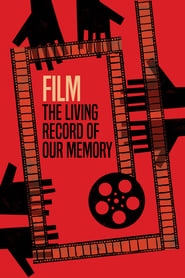
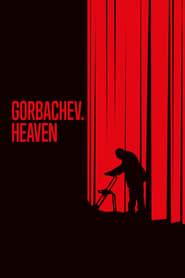
star 8.1Why are we still able, today, to view images that were captured over 125 years ago? As we enter the digital age, audiovisual heritage seems to be a sure and obvious fact. However, much of cinema and our filmed history has been lost forever. Archivists, technicians and filmmakers from different parts of the world explain what audiovisual preservation is and why it is necessary. The documentary is a tribute to all these professionals and their important work.Gorbachev. Heaven
2021
Gorbachev. Heaven
2021
star 7.8An immersion into the intimacy of Mikhail Gorbachev, the last leader of the USSR. The architect of perestroika and glasnost, who was praised in the West but reviled in his own country, still combative despite his advanced age, loneliness and illness, offers his personal and political testament.The Capote Tapes
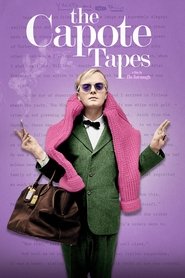
2021
The Capote Tapes
2021
star 5.9A portrait of the brilliant American writer Truman Capote (1924-84) and the New York high society of his time.NOVA: First Face of America
2018
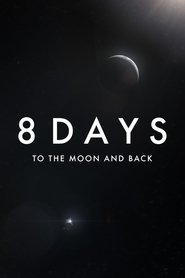
star 7.4During risky expeditions in an underwater cave in Mexico, scientists unearth the skeleton of a 13,000-year-old prehistoric teenager to gain insight into the earliest known humans in America.8 Days: To the Moon and Back
2019
star 7.4Join Apollo 11 on its historic journey. The film seamlessly blends mission audio featuring conversations among Neil Armstrong, Buzz Aldrin and Michael Collins with new footage, NASA archive and stunning CGI to recreate the first moon landing.